Founder of the Art-Pie site. I design and code websites and apps Monday to Friday from 9 to 5 and enjoy drawing, painting and visits to museums and galleries at night and weekends.
The beginning of the year is always a great opportunity to start a fresh page and discover what’s new. In this spirit, we would like to invite you to join us for our upcoming group exhibition AFTER SHOW PARTY.
AFTER SHOW is a transition from our Winter Exhibition, kicking off our new exhibition season in 2016.
We strolled through the London Art Fair for the fourth consecutive year and as always stumbled upon remarkable artworks from ever so talented artists.
In this series, we will tell you why we liked a particular piece from these artists as well as posting more works. We hope you will also enjoy it as we did.
Feel free to comment too at the end of this article. Let’s get started….
________________
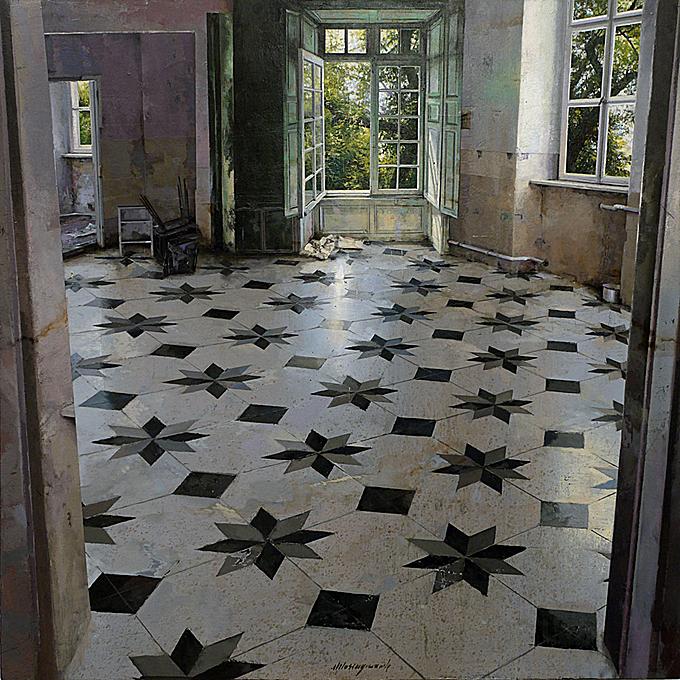
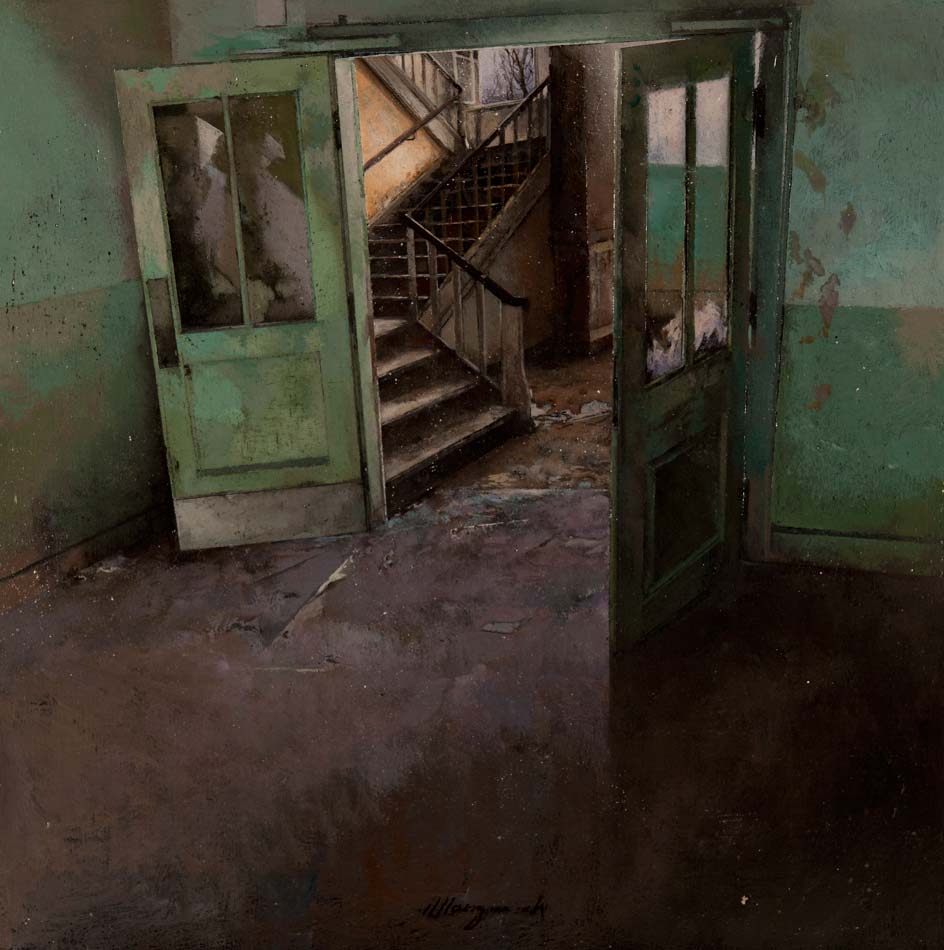
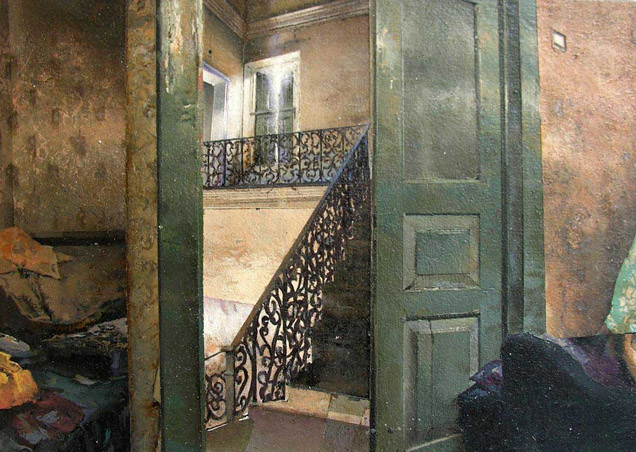
Matteo Massagrande
We stumbled upon the piece called “Salice” – mixed media on board, 80 x 120cm and instantly liked the smoky and hazy atmosphere of this piece achieved in using panels. It made us want to go and explore the scene that was presented in front of our eyes.
About the artist
Matteo Massagrande was born in Padua, Italy in 1959. Massagrande is an accomplished painter and a talented engraver. He has exhibited in over one hundred exhibitions internationally in the past 30 years.
We strolled through the London Art Fair for the fourth consecutive year and as always stumbled upon remarkable artworks from ever so talented artists.
In this series, we will tell you why we liked a particular piece from these artists as well as posting more works. We hope you will also enjoy it as we did.
Feel free to comment too at the end of this article. Let’s get started….
________________
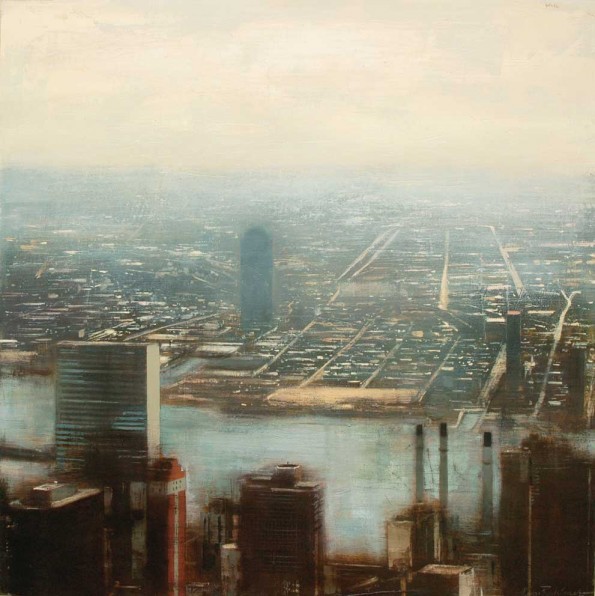
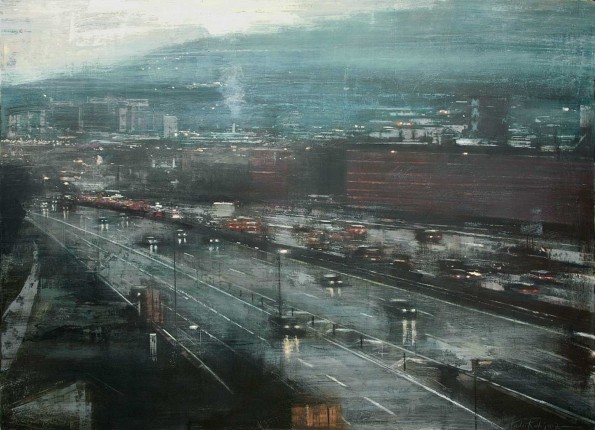
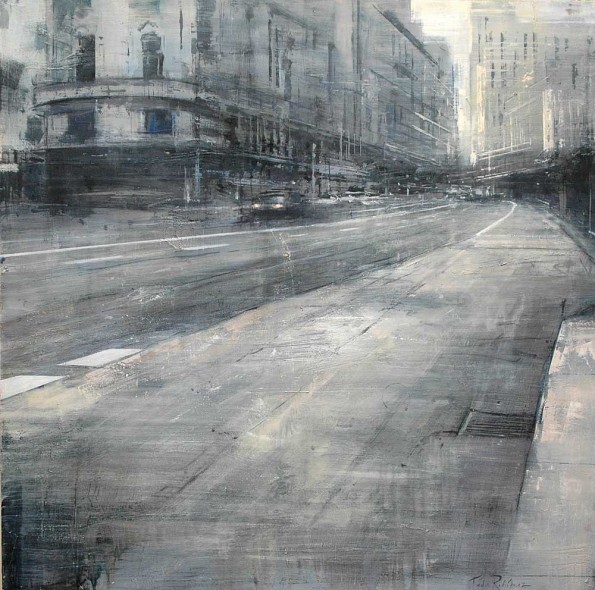
Pedro Rodríguez Garrido
Click to enlarge
We stumbled upon the piece called “Cloudy Morning, Manahattan” – oil on panel, 150 x 150cm and instantly liked the smoky and hazy atmosphere of this piece achieved in using panels. It made us want to go and explore the scene that was presented in front of our eyes.
About the artist
Pedro Rodriguez Garrido was born in Huelva, Spain in 1971. Garrido studied Fine Art at University of Seville, Spain. Since graduating in 1998, he has exhibited at numerous solo and group exhibitions across Europe. Adam Gallery is his first British gallery and will be holding an exhibition of his work late summer/autumn 2013.
We strolled through the London Art Fair for the fourth consecutive year and as always stumbled upon remarkable artworks from ever so talented artists.
In this series, we will tell you why we liked a particular piece from these artists as well as posting more works. We hope you will also enjoy it as we did.
Feel free to comment too at the end of this article. Let’s get started….
________________
Shaun Doyle & Mally Mallinson
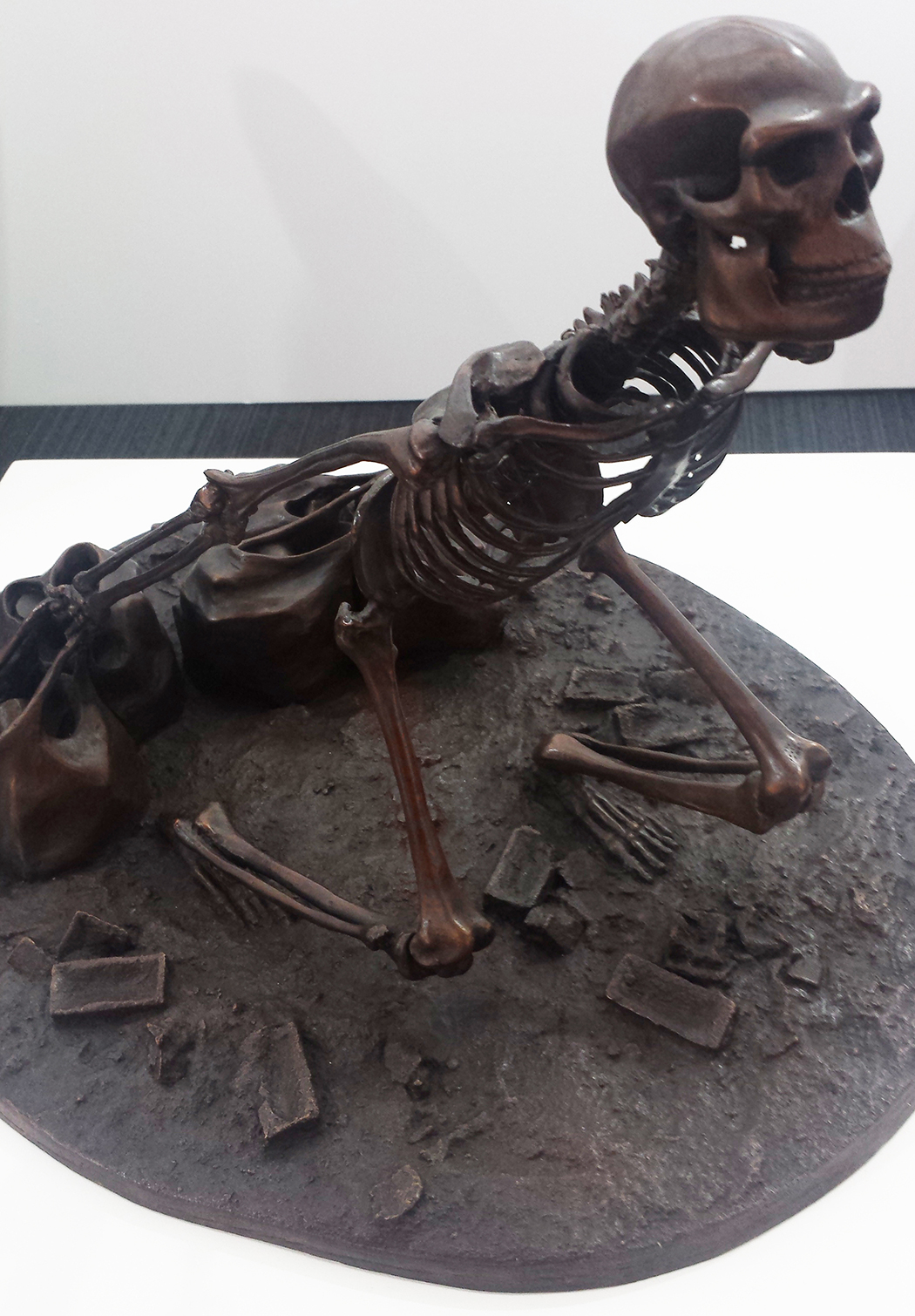
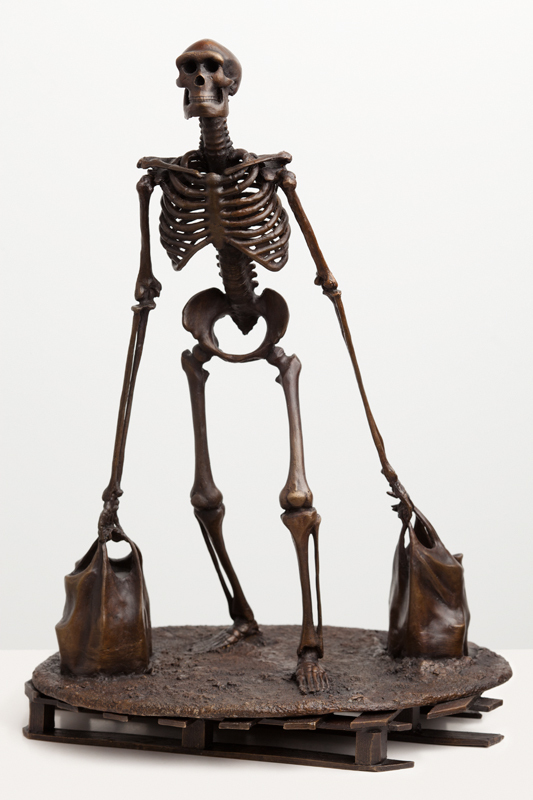
We stumbled upon the piece called “Sumo Ergo Sum(I shop therefore I am)” – cast bronze, edition of 9, H 42.5 x W 45 x D 56cm.
Click to enlarge
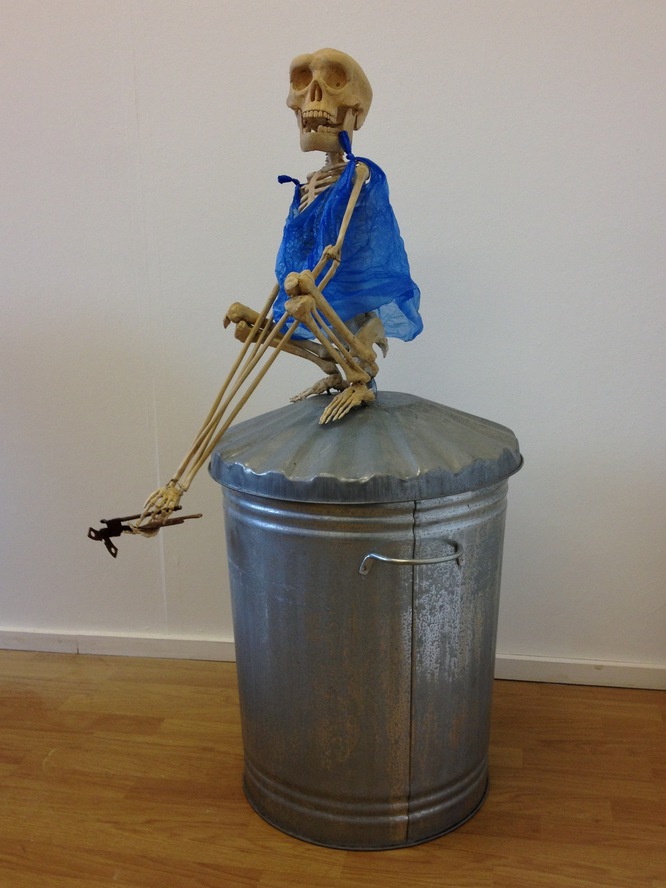
The skeleton sculpture, like any other ones to be honest, tickled our eyes right away.
Looking at the skull face expression, it was clear to us that it conveys a strong social message which was confirmed after reading up about the artists – keep on reading below.
About the artists
Our work deals with political and social thought. The forms we use to articulate our ideas often come from popular culture or are second hand, borrowed from another source. The way we put things together is witty, cheeky and aggressive; it mirrors the way we talk to each other. Context within our work is deliberately inconsistent. That inconsistency is our attempt to accommodate the messiness of the real world and allows different audiences different readings.
The lived-in, shabby aesthetic employed reflects the environments that excite us – the underfunded regional museum, the car boot sale, the dump; places where value systems are fluid, more confused or don’t exist at all. In these situations, forms and ideas have the potential to acquire alternate meanings and take on a new life. Through re-imagining objects and their identities we explore the processes of cultural transformation that take place after an object or idea has served its initial purpose. This re-cycling is a means of distilling useful agents; elements approaching redundancy are stripped down, re-formed and re-packaged. The results challenge the cleaner more commercial concerns of some other art forms and celebrate the possibilities of extreme behaviour and belief.