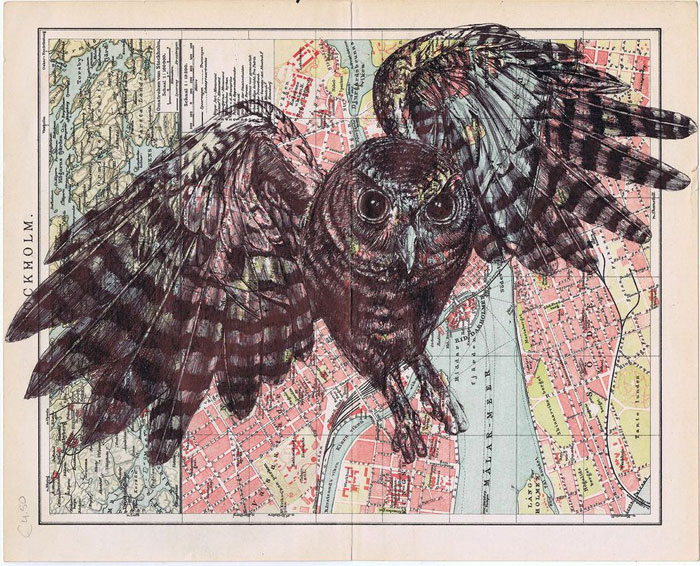
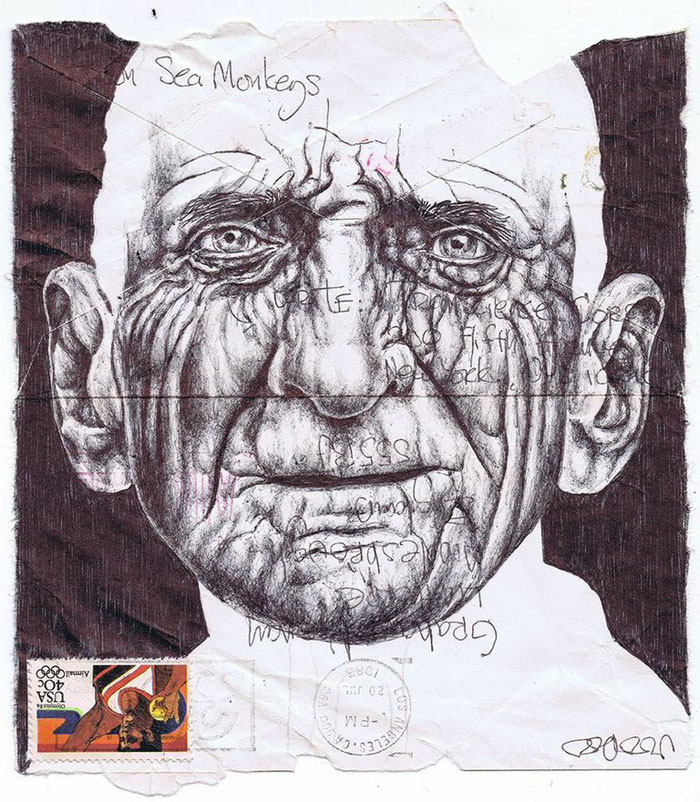
Master of the biro drawing Mark Powell returns to Hang-Up Gallery in March with his new solo show Anthropology. The exhibition will feature an exclusive collection of original pen and ink drawings, as well as a selection of limited edition print releases in collaboration with London’s prestigious publisher Jealous Gallery.
Known internationally for his beautifully intricate biro drawings of the elderly and endangered species executed on found material, Powell is back with a fresh body of work that visually documents his recent travels from across the globe. By deeply immersing himself in new cultures and experiences Powell has expanded his visual vocabulary.
For the first time, Hang-Up will be revealing the artists new direction of still life objects. Vintage cameras, used typewriters and discarded leather boots hint at the untold stories of their forgotten owners, and remind us of the inevitability of time’s passing.
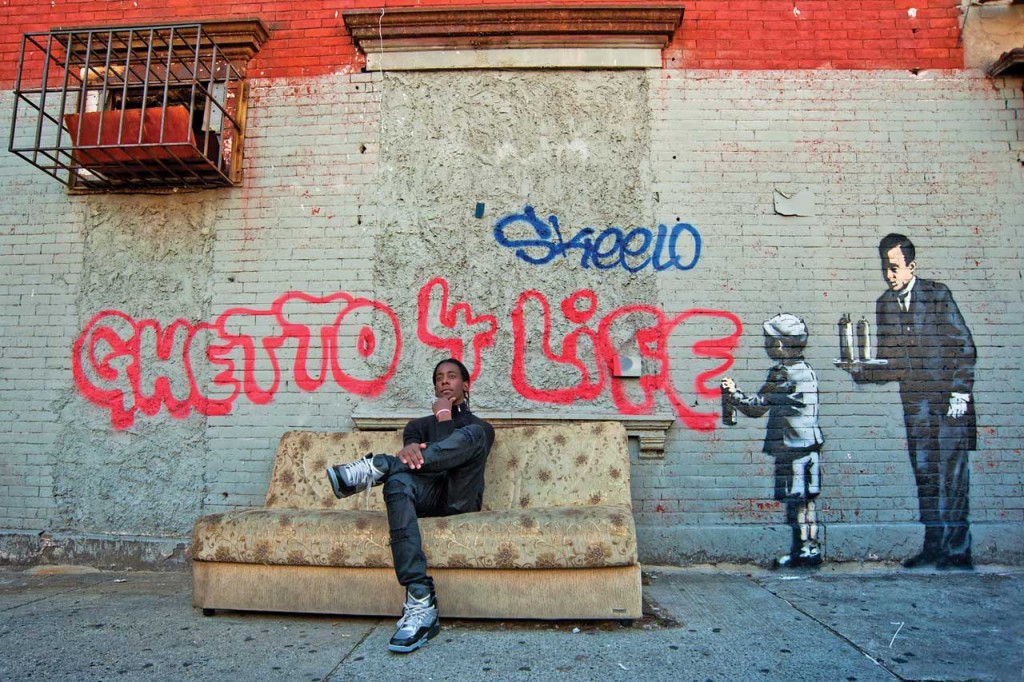
Martha Cooper is a legendary photographer who has shot around the globe, beginning with USA to Asia. She worked both for papers and magazines like New York Post and National Geographic and independently, making contributions into her personal archive.
Stories and captures that appeared in her lens were different and timely: travels, people and of course art. She has been documenting graffiti and street art for 40 years and her iconic book “Subway Art” influenced on graffiti culture and opened a new world to those whose countries came to urban art much later than in USA.
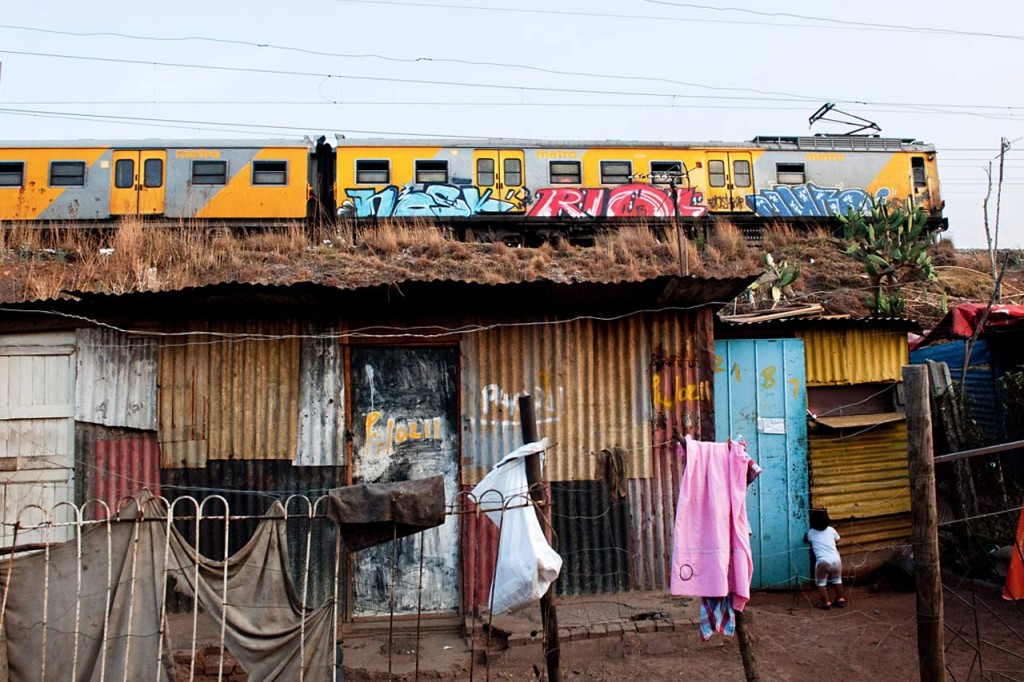
Location: Soweto
Martha Cooper is still working with graffiti and street artists, documenting artworks of US and international artists around the world, and continues to make an important contribution to the urban art movement.
Graffiti and street art are ephemeral but pieces and murals can be preserved through photography. Since the late ’70’s, Martha Cooper has documented urban art with a view towards historic preservation. Her work will help make this art form immortal, providing future generations of artists and historians with images of what has been called the biggest art movement in the history of the world. The gallery will exhibit Martha’s photos in a timeline from the ’70s until today, following her interest in graffiti as it spread from a localised New York City phenomenon into a massive worldwide urban art movement. Included in the exhibition will be also photos of StolenSpace Gallery artists shot by Martha in various locations.
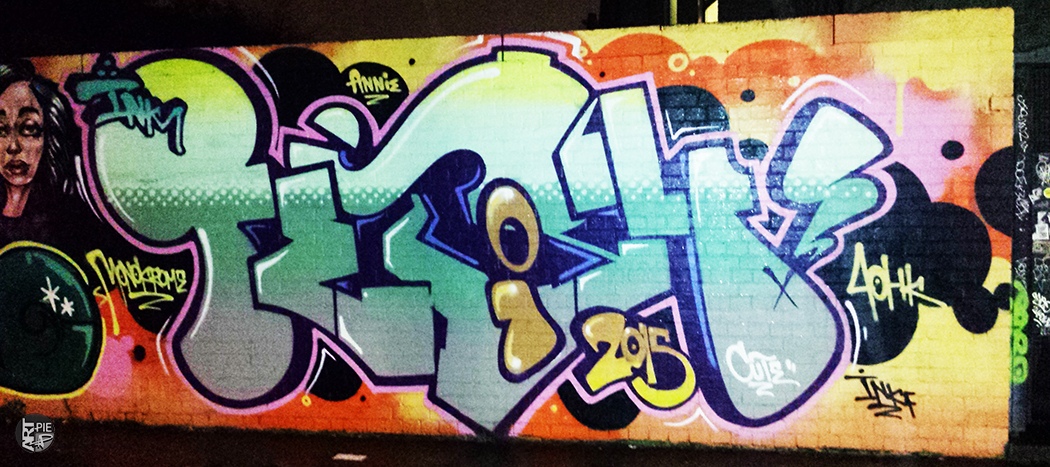
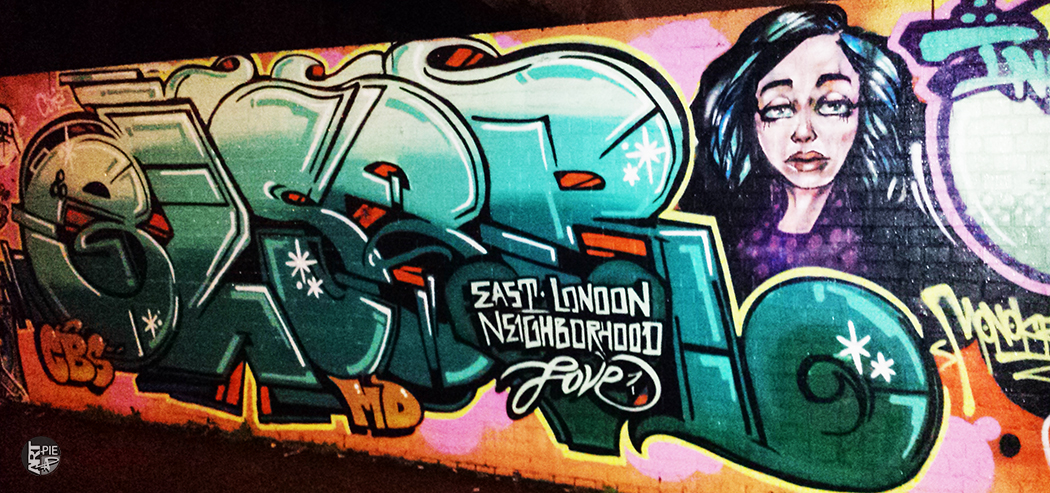
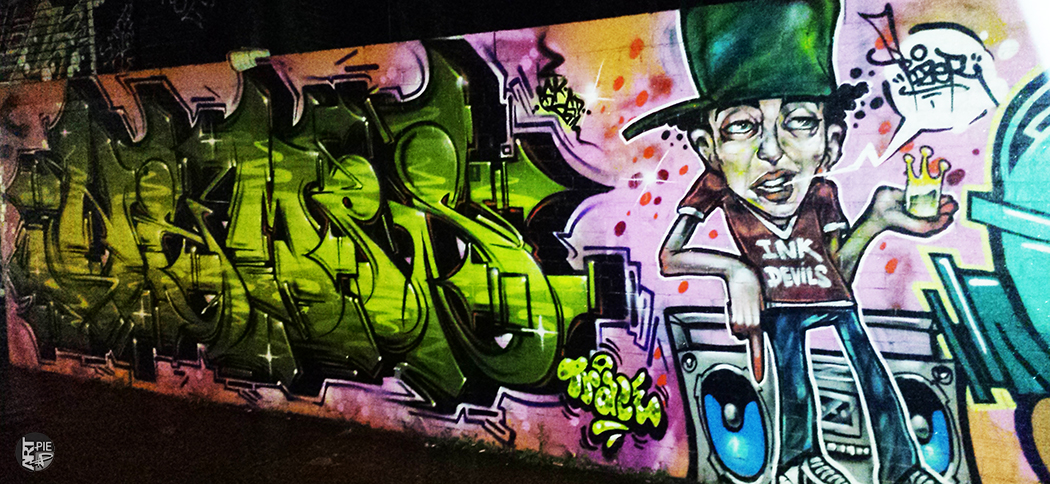
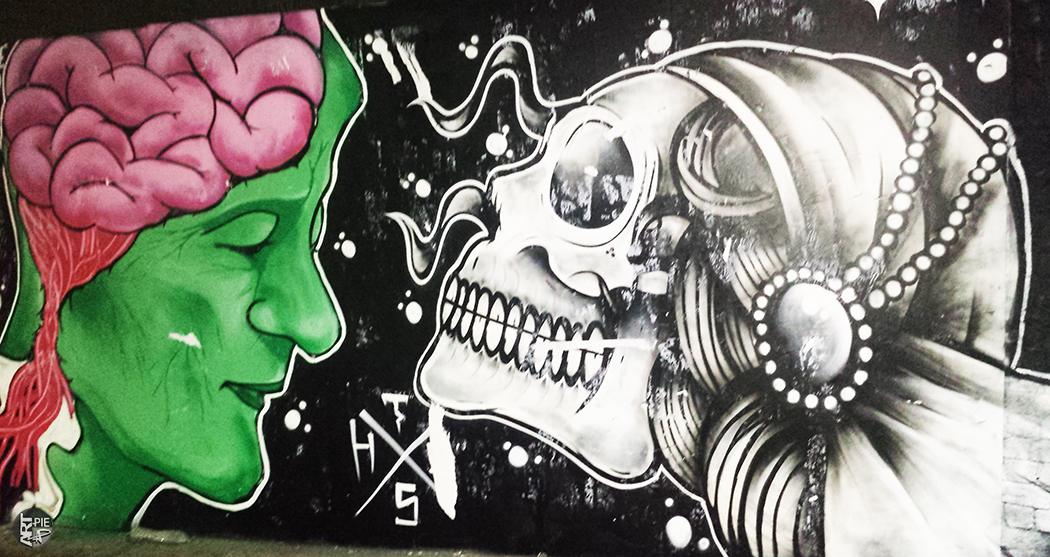
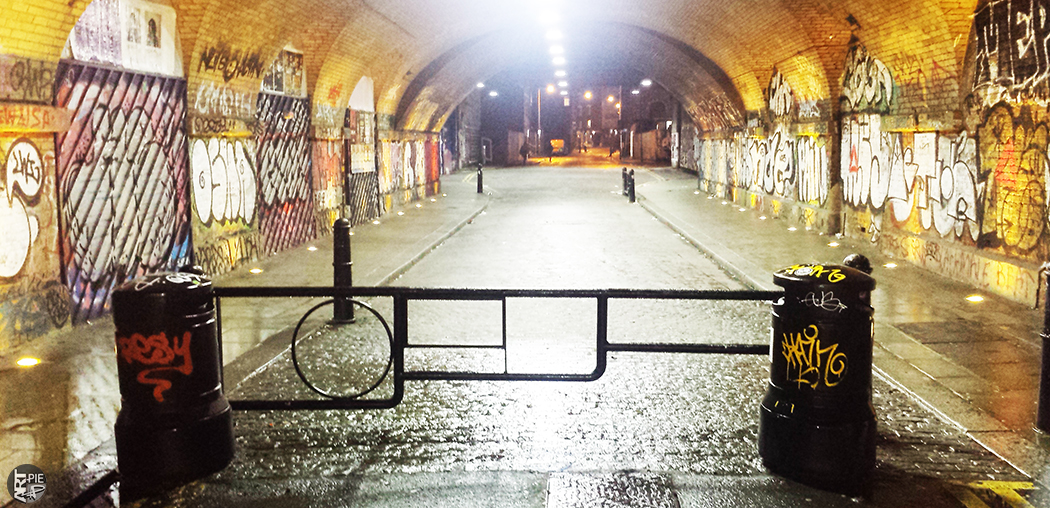
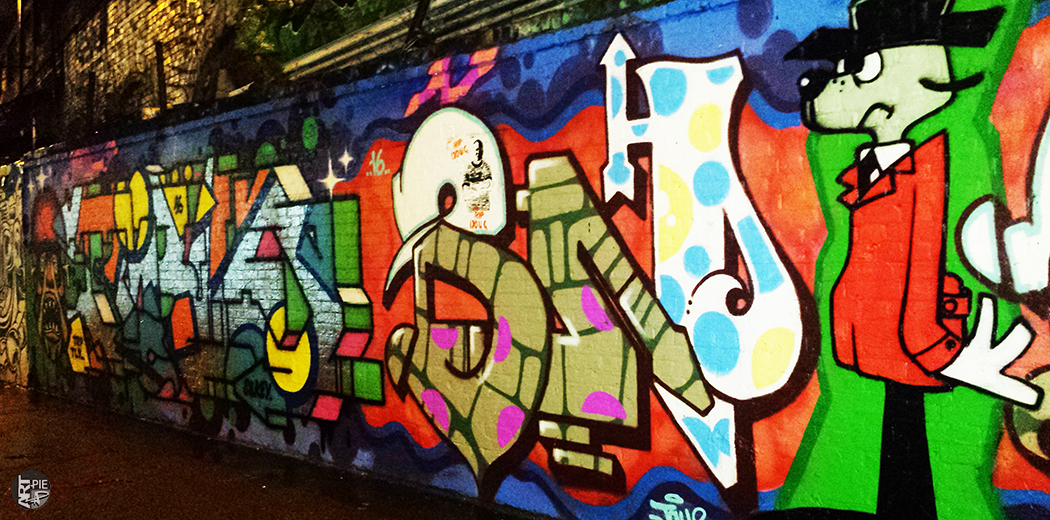
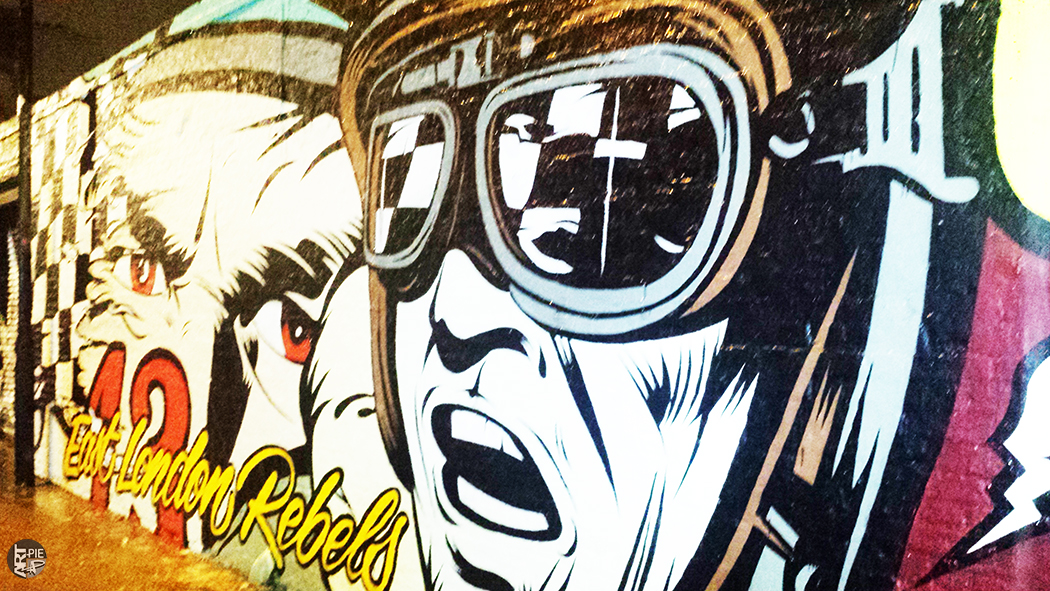
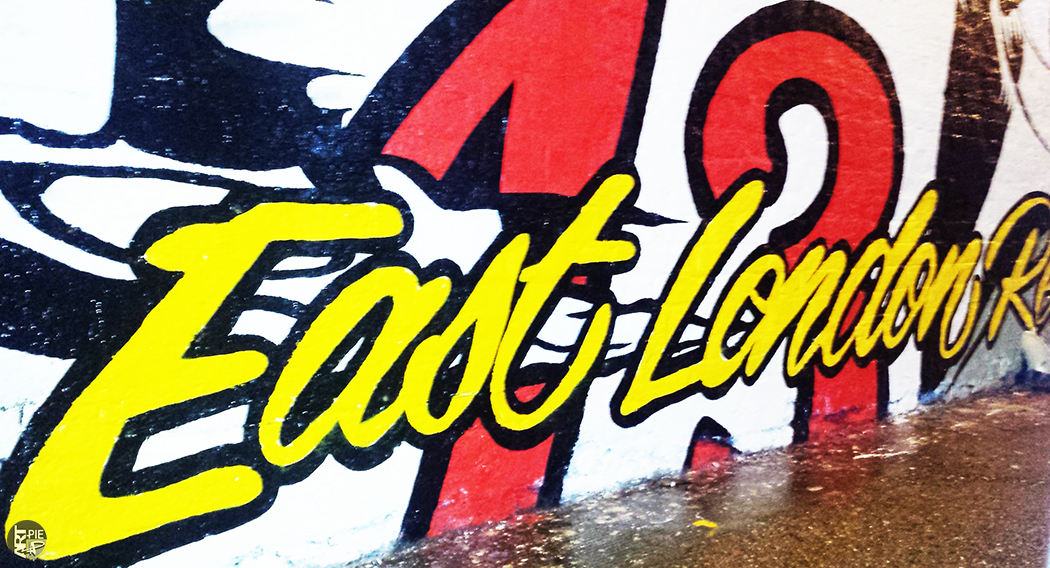
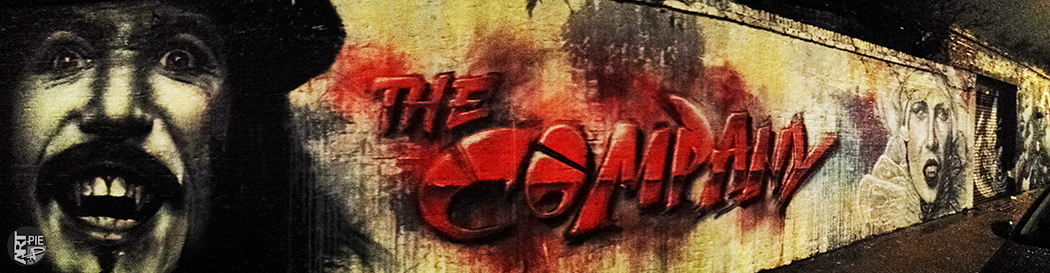
One of the best thing of a work do is to find myself stumbling around the streets of Shoreditch quite to very late at night and snap away the many graffitis or street art pieces I may encounter.
If you are even luckier, you may find yourself alone and this is the best bit as you get some kick-ass photographs as those I included below.
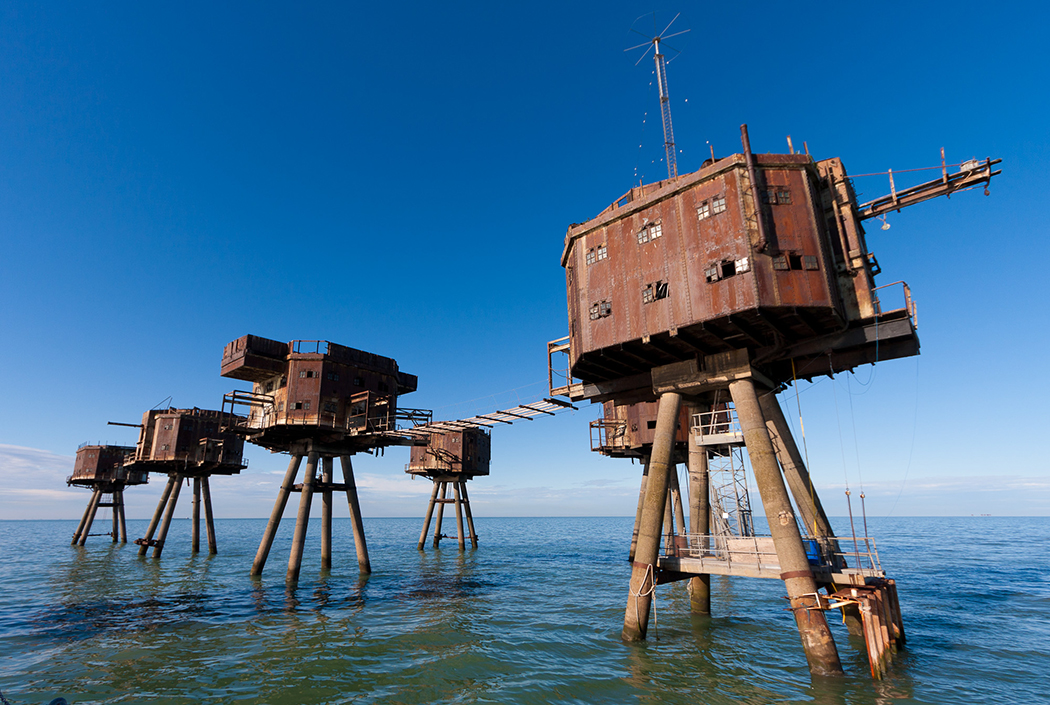
Tristan Eaton and Shepard Fairey and other artists are working with Designersbloc on Painted Oceans, a project to preserve and celebrate sea forts off the Kent coast. The Red Sand Sea Forts, which are located just off the east coast of England are the lucky winners for this project.
The sea forts are located in a cluster eight miles north of Whitstable off the Kent coast and were built in 1943 after the Blitz as a strategic defense post to help defend against any similar attacks.
This project is nuts in terms of feasibility but exciting at the same time hence we wanted to publish something on the site and ask you to support it. A crowdfunding campaign is underway to raise money for the project and an accompanying documentary.
“Painting at sea – are you crazy?”
According to Designersblock director Piers Roberts, Painted Oceans is set to be “one of the most dangerous and exciting mural projects in history”.
He says the motivation for the undertaking, is three-fold – “To preserve them and promote their value, “to investigate their history “and to stimulate the economy of the coast.”
“There are two types of these forts, the army ones and the navy ones; the Redsand ones we’re working with are the army ones and were once connected by bridges,” adds Roberts, who is working with the Project Redsand Trust, which is able to grant access for the project.
A month at sea
Engineering consultancy Burro Happold has already looked at the structural integrity of the site, which was once home to pirate radio station Radio City in the 1960s.
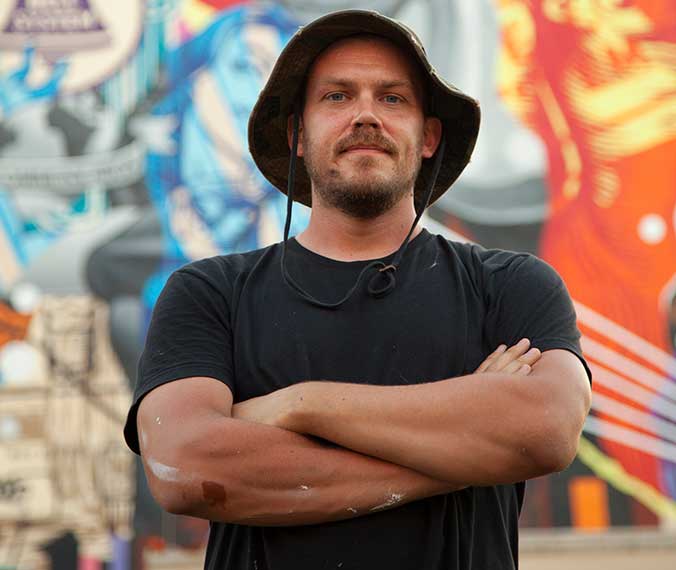
Tristan Eaton – who is behind the idea for the project – specialises in large scale environmental work. He has already drafted in Shepard Fairey, Futura, How & Nosm and The London Police, who are all planning their murals now. All of the artists will live at sea for a month to complete the project.
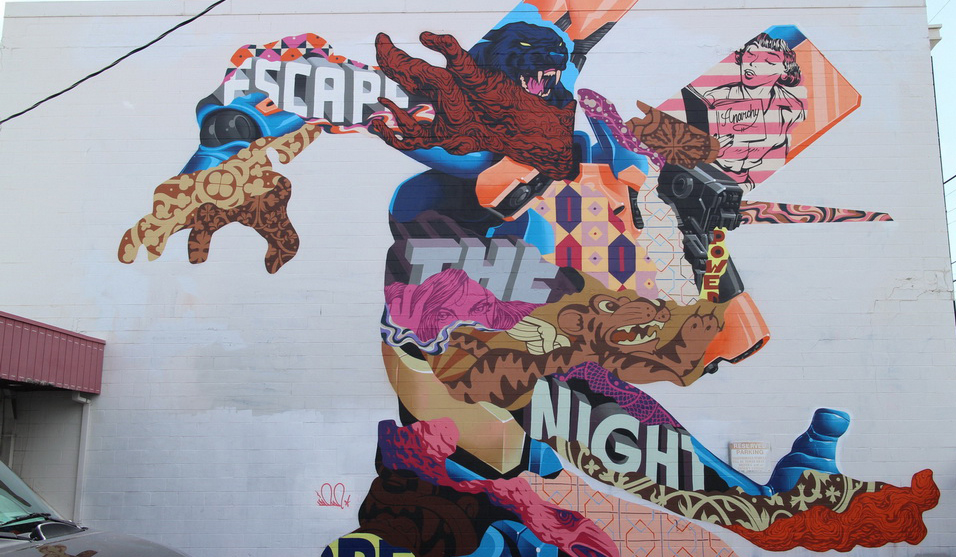
Night mural for POW! WOW! in Hawaii by Tristan Eaton
The logistics…
Roberts, who is project lead, says there is still a long way to go. “We need to think about how we get onto the forts, how will we link them, how we get gantries onto them, how we paint them…The murals won’t be painted straight onto the rusted steel, we need to get undercoats on there and use marine quality paint. It’s really about preservation.”
Chairman of the Project Redsand Trust Robin Adcroft says the project is still in review. “As yet no agreement has been reached between Project Redsand and Painted Oceans to carry out the mural paintwork,” says Adcroft.
For the project to go ahead “much detail would need to be clarified and agreed upon,” says Adcroft who wants Project Oceans work to contribute to the long-term conservation of the site.
He adds: “Further public consultation would be required before any go-ahead can be granted.”
If the project gets the go-ahead it is expected to be completed this summer and after that boat trips will take visitors out to see the work, according to Roberts who says it is too early to say whether people will be able to access a landing platform.
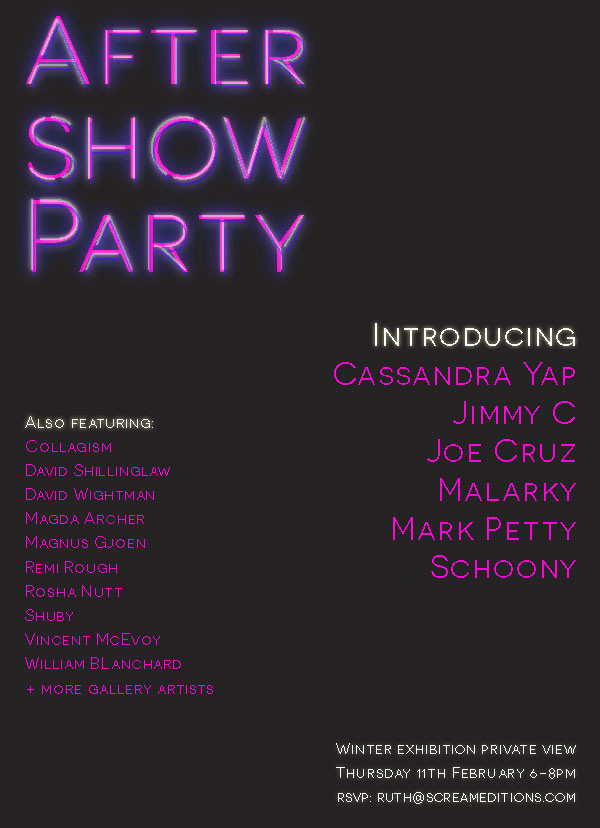
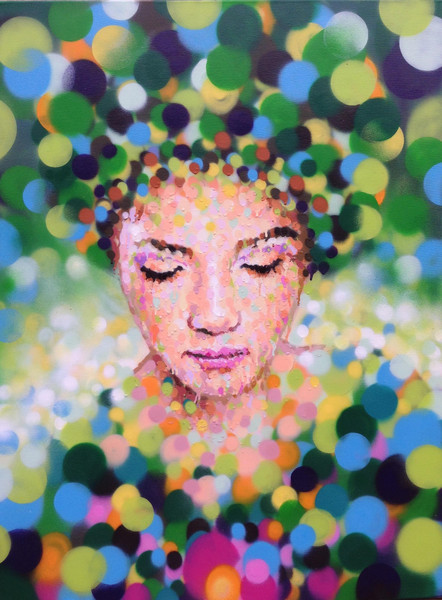
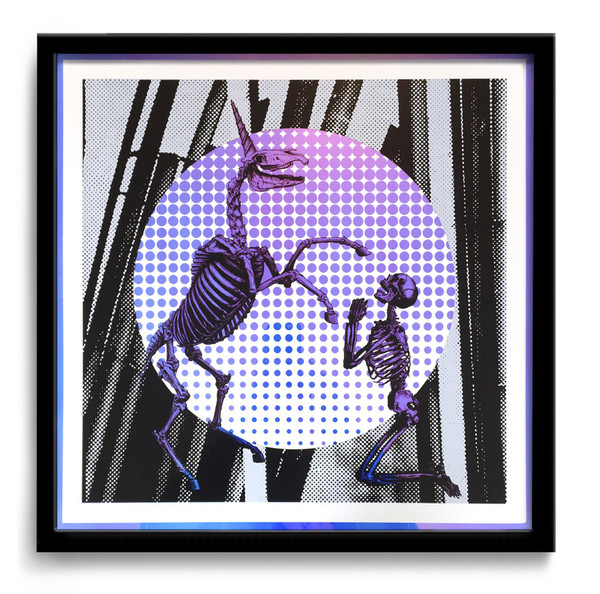
The beginning of the year is always a great opportunity to start a fresh page and discover what’s new. In this spirit, we would like to invite you to join us for our upcoming group exhibition AFTER SHOW PARTY.
AFTER SHOW is a transition from our Winter Exhibition, kicking off our new exhibition season in 2016.