
ART MOSH is coming to London
Nixon ART MOSH is a melting pot of some of the freshest talent in contemporary art and music. It is a series of one-night only Pop Up exhibitions showcasing international artists, designers, photographers and musicians. After the success of the Paris and New York events, ART MOSH pop up again in London for one night only. Continue reading ART MOSH is coming to London
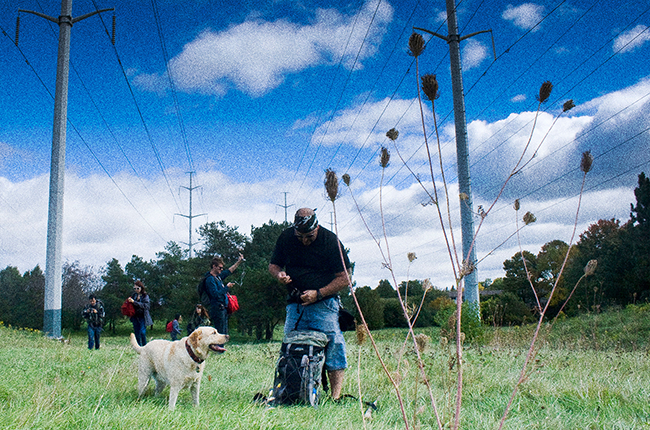
Noise Intercepted, global art project about noise

Noise. Noises. They are everywhere these days and unique in their own ways but can they be assimilated to art too?
Labspace Studio ( (a creative agency & art house in Toronto, Canada), the people behind Noise Intercepted, a global art project about noise part of the Noise Project, certainly think so and have just launched their project today. and guess what, we are taking part and are excited about it. But what is it exactly?
Noise Intercepted is a series of ten experience-activated noise challenges that prompt participants to listen, observe and interact with their urban soundscape in new and unlikely ways.
The project brings together over 200 collaborators from 28 countries around the globe — artists, sound ecologists, designers, writers, mothers, fathers, educators, filmmakers, administrators, technicians, scientists, students, programmers, health practitioners, and the list goes on.
Over the course of four months (March – June 2013), participants will be sent (via text msg & email) a series of ten noise challenges and creative prompts.
They have exactly 1-week to respond to each challenge and share their findings here with you.
————————-
You can still join – http://thenoiseproject.net/call-for-collaborators/noise-intercepted/
Stay up-to-date and get onto the Facebook and Twitter pages
https://www.facebook.com/Labspace.Studio
https://twitter.com/LabspaceStudio
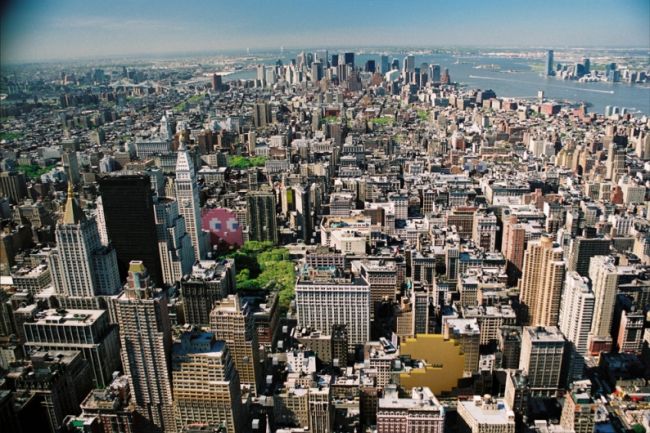
8-bitscapes prints now available: want one, defo.
I just love the concept and even more the outcome: a unique series of prints now available to purchase at Prescription Art
8-bitscapes is a collaboration between designer Jamie Sneddon and photographer Kevin Rozario-Johnson. The concept is simple: they use well-known classic video game characters such as pac-man or invaders and intricate them into real-life scenarios. The results is just ace. Continue reading 8-bitscapes prints now available: want one, defo.
ROA at Art Basel Miami
This recent piece from Belgian artist ROA can be seen in Miami and precisely at the Wynwood Walls. The artist’s work coincide with this year’s Art Basel 2011.
Pictures from streetartnews.net

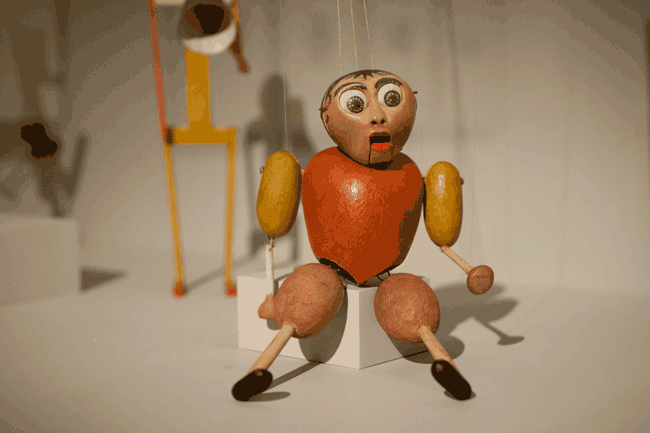
Bauhaus: Art as Life
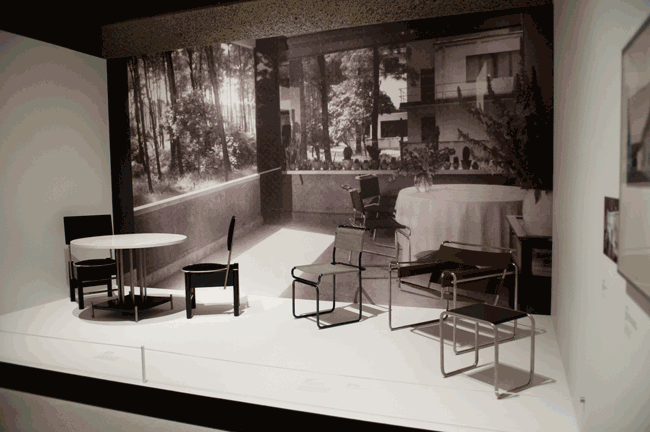
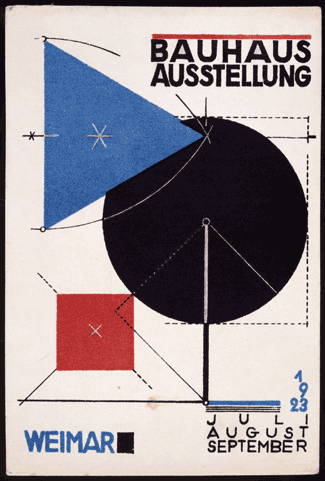
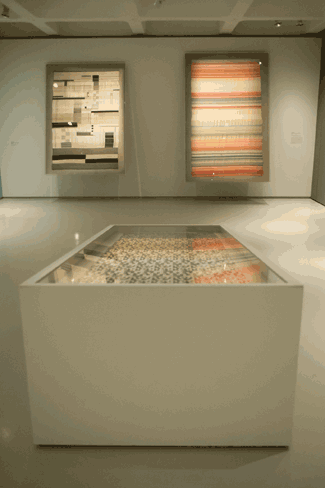
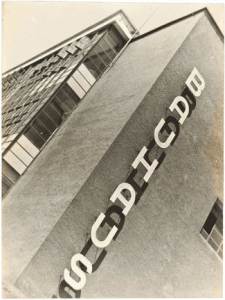 Last week The Barbican Centre opened its doors to a major exhibition about the highly influential Bauhaus movement. The show explores the German art and design school that ran between 1919 and 1933 and made a profound impact on our contemporary world by uniting art, craft, design and technology. Bauhaus: Art as Life brings together over 400 works and highlights the scope of the Bauhaus vision. Throughout the exhibition are examples of architecture, paintings, film, sculpture, furniture, costume design, photography, children’s toys, typography and textiles from names including Paul Klee, Ludwig Mies van der Rohe, Josef Albers and Oskar Schlemmer. Nothing it seems was too ambitious or insignificant for the Bauhaus masters to tackle, from redesigning teapots and ashtrays, to creating vast housing estates and design manifestos that aimed to change the world they lived within.
Bauhaus: Art as Life is displayed in a loosely chronological order, starting with Walter Gropius founding the school in 1919 by merging of the Arts and Crafts school and the Academy of Fine Art, a radical move that incorporated the disciplines of art, craft and technology. Having lived through the horror of the First World War, this collective of artists and designers were keen to use their creativity to herald a brighter future and you get a sense of the optimistic, utopian force behind the work. However the Bauhaus was not just about high design for the greater good, the students and teachers were also having a good time behind the scenes. The Bauhaus group put on events that could have rivaled Warhol’s infamous art happenings. Gropius actively encouraged socialising between the masters and students and this took the form of spectacular themed parties with a Bauhaus band, elaborate costumes and performances. Included in the exhibition are photographs documenting this playful side of the movement and party invites.
By the mid 1920’s we see architecture, advertising and photography added to the curriculum and the school started to become commercially successful by partnering up with manufacturers. There was a focus on branding and a unified approach to typography and layout, as we can see in the ‘instruments of communication’ section. Pioneered by Laszlo Moholy-Nagy, the Bauhaus had started to produce its own promotional material to communicate with a larger audience and this bold style has since become highly influential to the world of graphics. Elsewhere in the exhibition we also see Gunta Stolzl become the first female master at the Bauhaus, raising the profile of the crafts with her beautiful woven wall hangings. Josef and Anni Albers take a graphic slant on textiles, with simple geometric shaped patterns created from cotton and silk. As many of the Bauhaus group were on the political left, they came under pressure from the Nazi government and following pressure from the Gestapo, decided to close their doors in 1933. However as the students and masters emigrated, the principles behind the Bauhaus movement spread internationally and became the driving force behind Modernism as we know it.

The Barbican is embracing the experimental spirit of the Bauhaus by hosting a diverse series of events and workshops relating to the exhibition. They have done a good job in making the links between the Bauhaus and its relevance on our everyday lives. The schedule includes guided walking tours around the Finsbury area looking at the Bauhaus influence on local housing estates and a tour of the City of London focussing on the relationship between the Bauhaus and commercial architecture. The Barbican will also host an experimental two-week ‘Art School Lab’ where a chosen group of artists will collaborate to create work that contributes towards social change. To be considered you must apply via the Barbican website.
If you are looking to take home a slice of Modernist design, head to the Barbican Gallery Shop where there is a great selection of iconic designs, in keeping with the Bauhaus philosophy that design should engage with production. These including geometric plates hand woven rugs, DIY Paul Klee puppet kits and an exclusive range of Bauhaus inspired jewellery from the BA students at Central Saint Martins.
Bauhaus: Art as Life . Barbican Art Gallery, London, 3 May – 12 May 2012. http://www.barbican.org.uk/
Review by Zoey Goto, freelance art and design writer and PR. www.zazzipr.com
More photos of the exhibition below
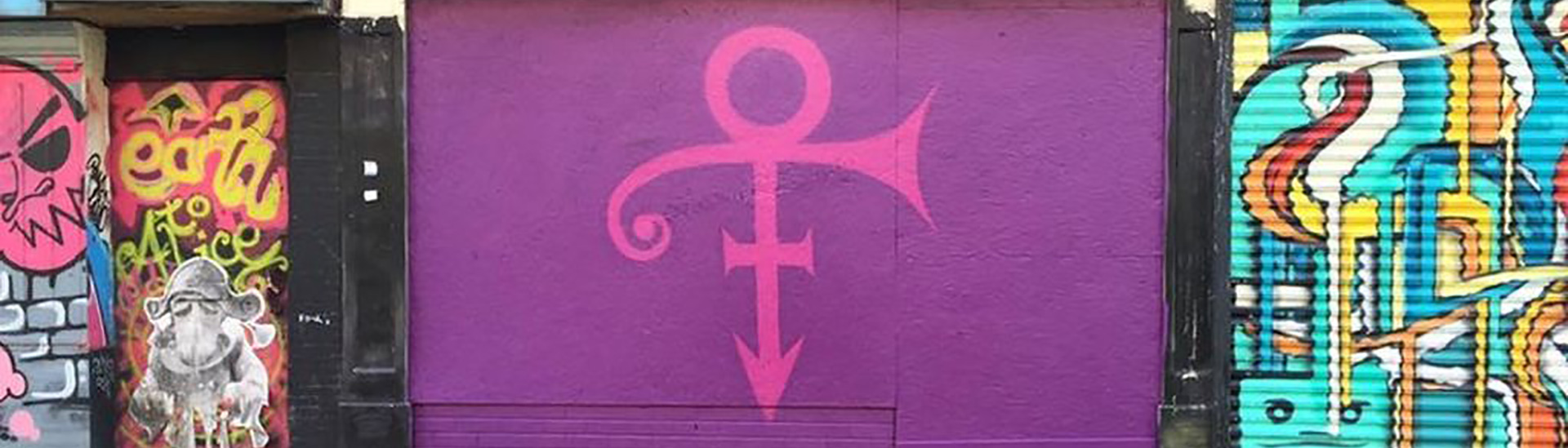
7 Prince street art, graffiti & urban tributes to Prince
Last week saw pop icon, Prince, died at his Minnesota home on Thursday, and, as expected, tribute around the world have been pouring and will probably do so for a long time to come. He died suddenly aged 57, leaving behind a back catalogue spanning rock, pop, funk and jazz and millions of devoted admirers.
We included below 7 Prince street art, graffiti & urban tributes to Prince
Have you seen a piece you would like to share with us or know the name of the artists for the artworks below? Tell us in the Comments section below.
1 – Belfast Cathedral, artist unknown
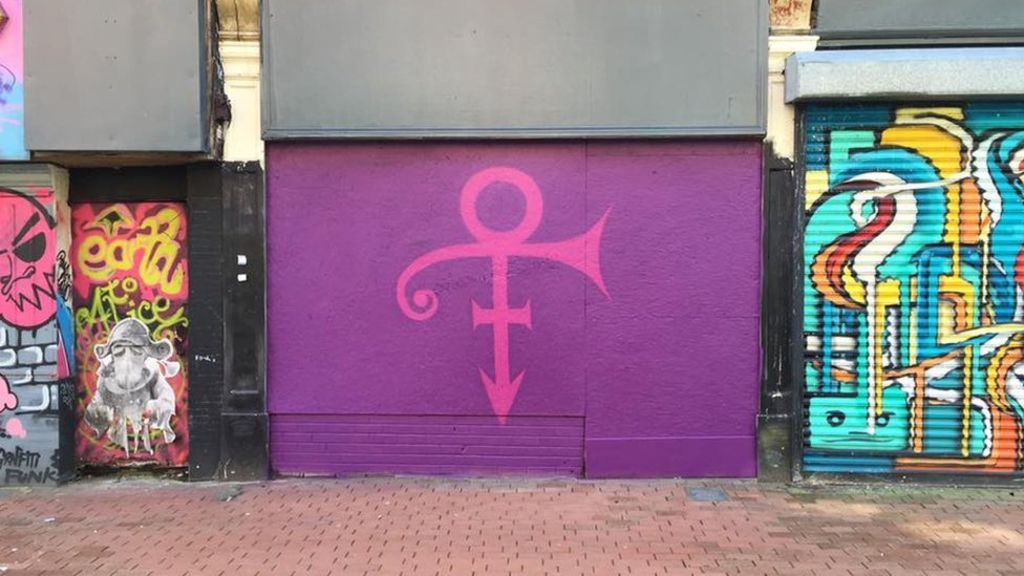
2 – New York, artist unknown
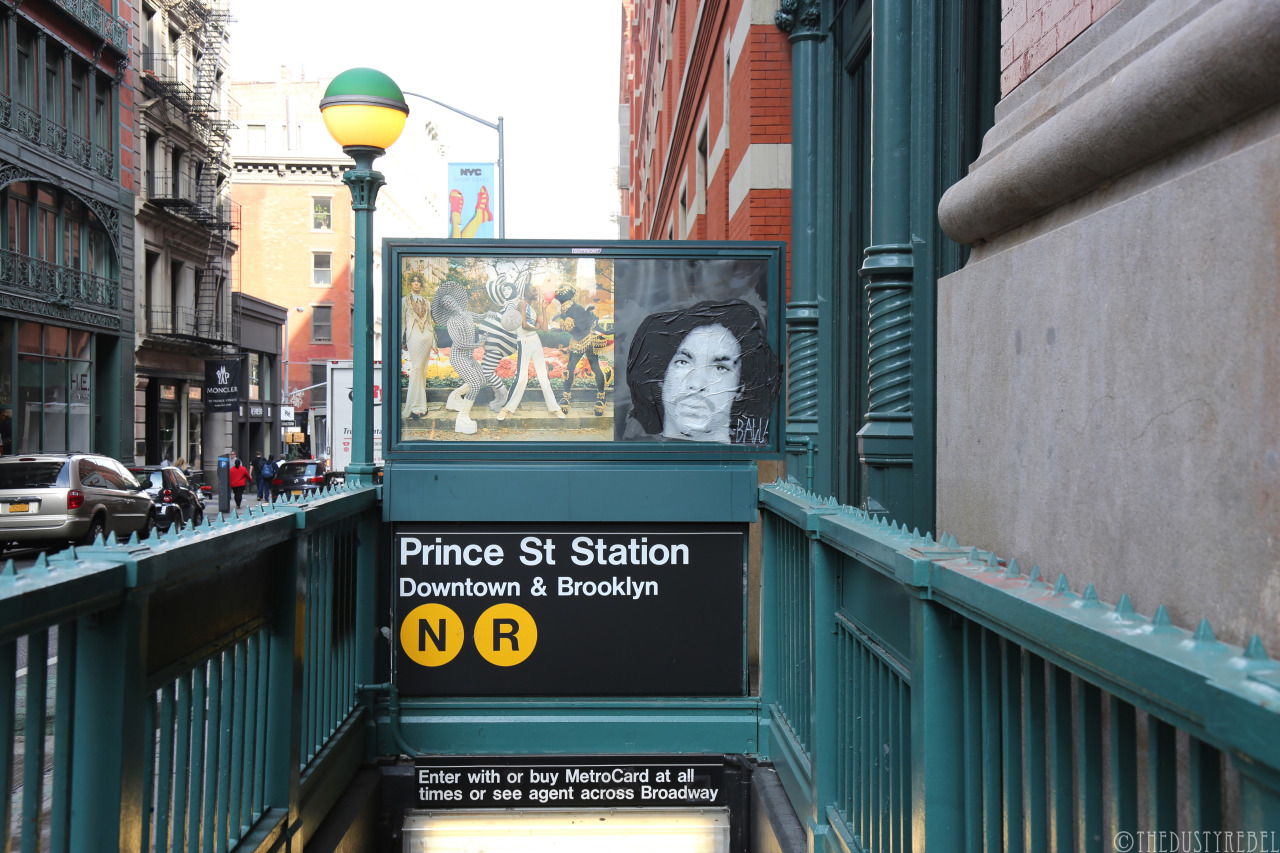
3 – Cambridge (Massachusetts), artist unknown
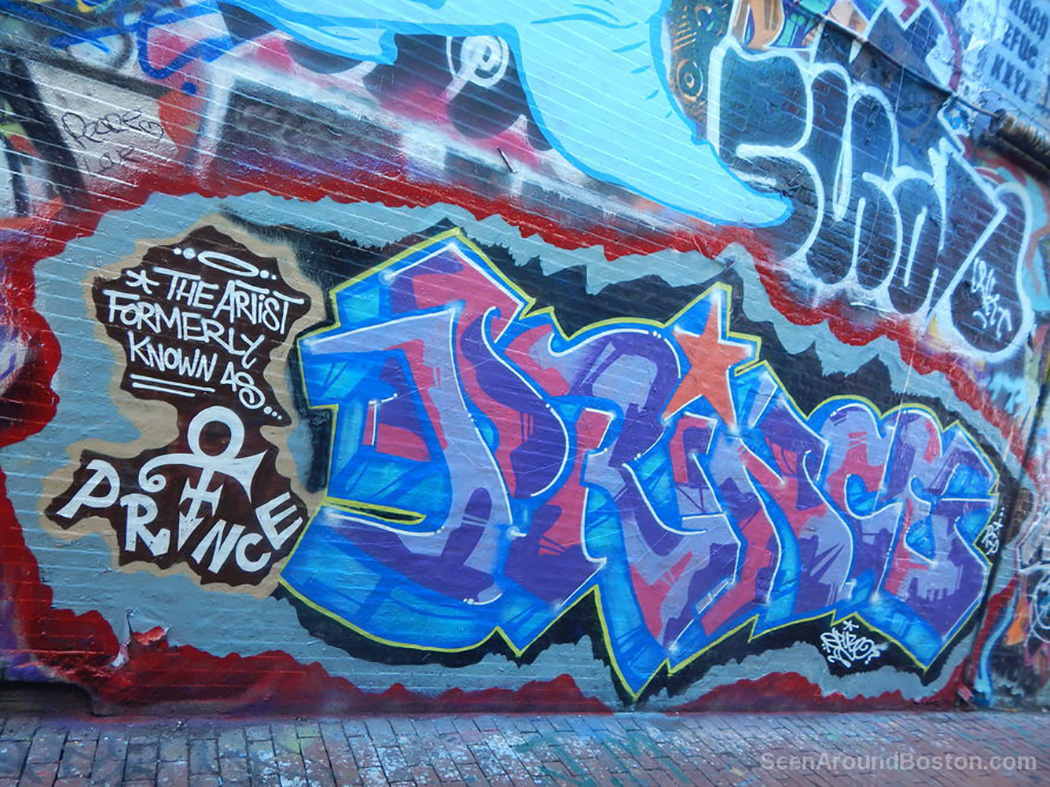
4 – Turnpike Lane (London), by Pegasus

5 – Sydney (Australia) by Mr G
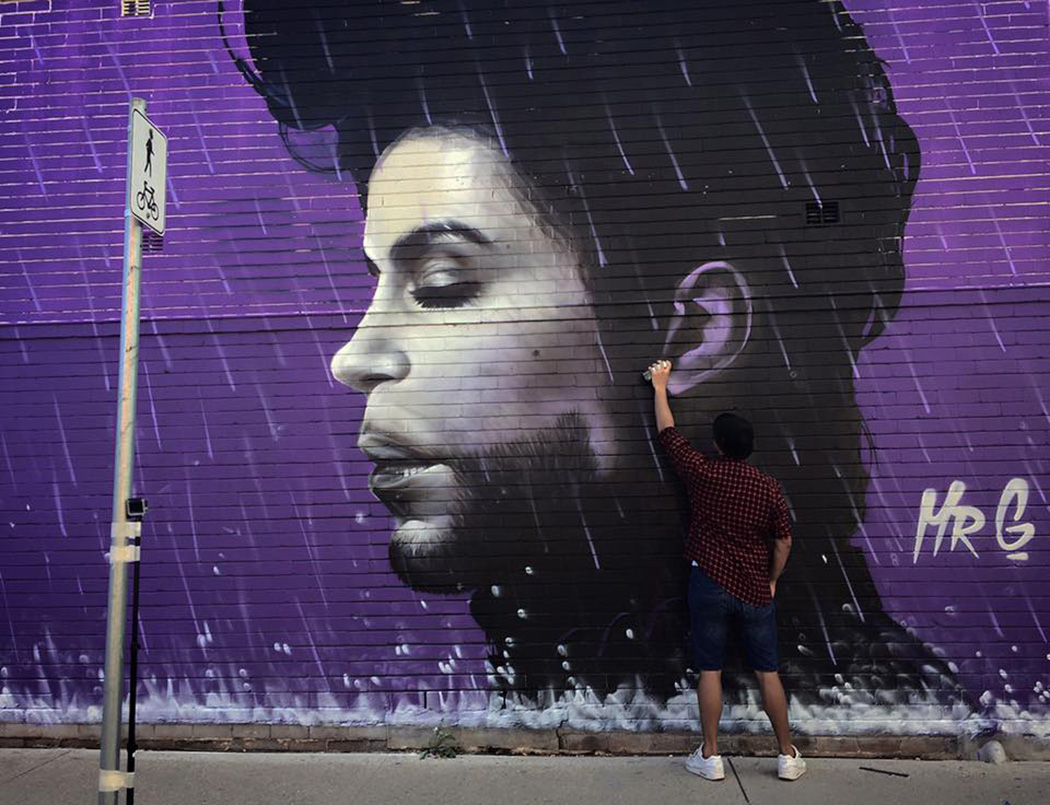
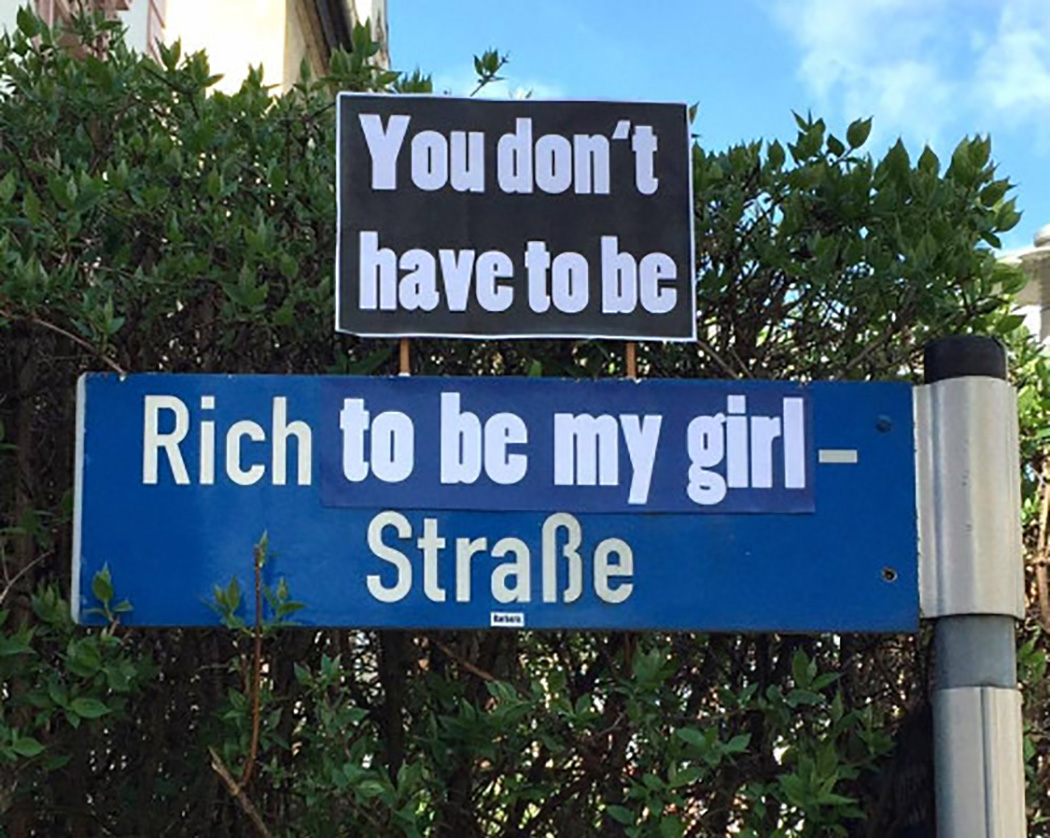
6 – Germany by Barbara

London Art Fair – artists we enjoyed, Philip Braham
We strolled through the London Art Fair for the fourth consecutive year and as always stumbled upon remarkable artworks from ever so talented artists.
In this series, we will tell you why we liked a particular piece from these artists as well as posting more works. We hope you will also enjoy it as we did.
Feel free to comment too at the end of this article. Let’s get started….
________________
Philip Braham
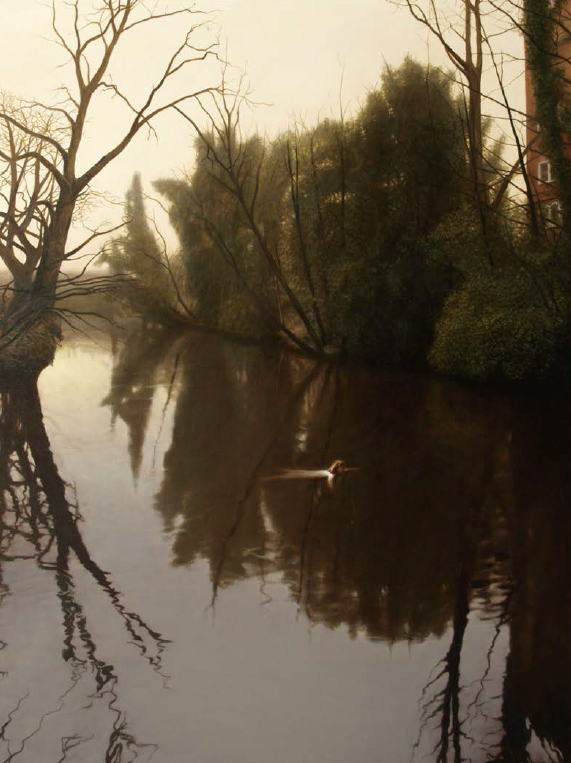
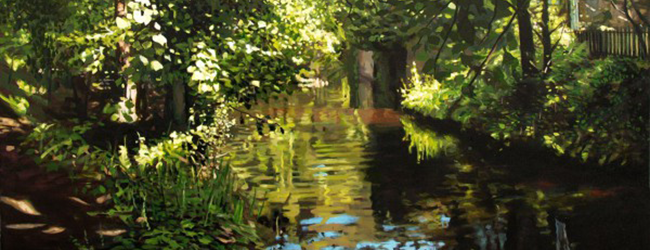
We stumbled upon the piece called “Ophelia Bathing” – oil on canvas, 183x122cm, and instantly appreciated the hazy feel of the depicted landscape.
It made us feel like diving in this river or enjoy a long and lazy lie down on one of its banks.
About the artist
Represented by the Roger Bilcliffe gallery at this year’s London Art Fair, Philip Braham is a Scottish artist whose paintings and photographs emerge from the Northern European engagement with landscape as a metaphor for the human condition. Recent projects reflect on the temporal nature of our existence through personal recollection and collective history, set within the slowly evolving landscape that bears us forward. Fidelity to experience is fundamental to his practice, and this brings a poetic grace to his technical mastery of oil painting and silver-based photography.
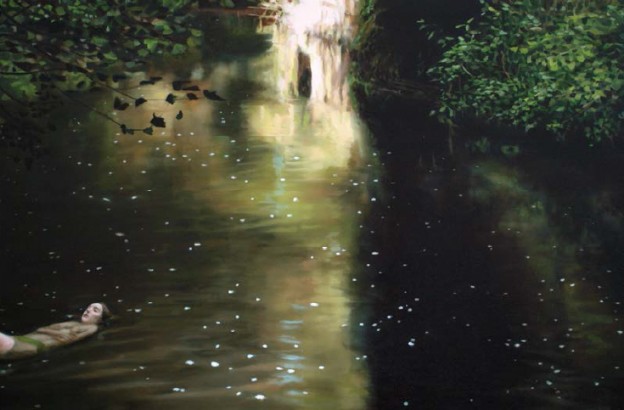
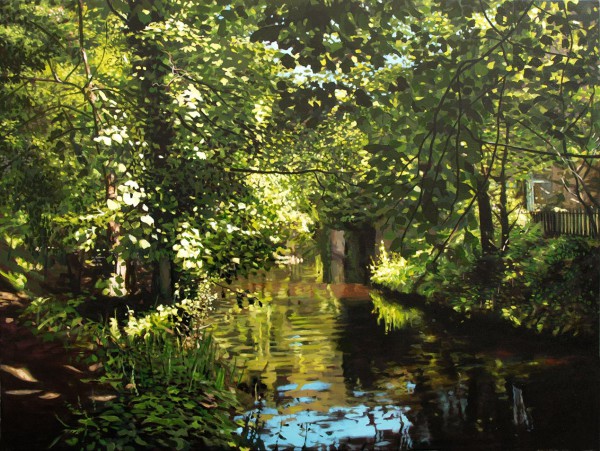
Other works from this artist
Click to enlarge

So what’s next for the Fourth Plinth?
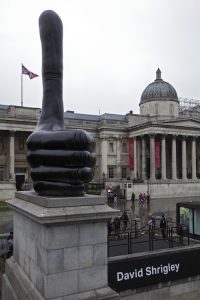
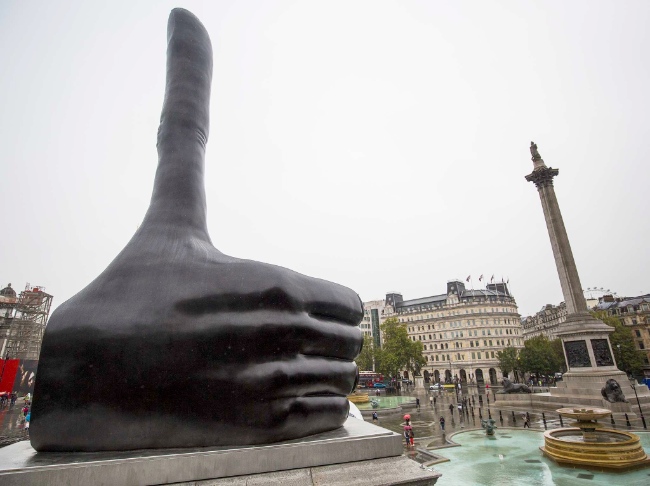
If you have been near Trafalgar Square in London, you must have noticed a 7m high sculpture looking like a thumbs up.
This particular pedestal on the square is called the Fourth Plinth and the current artist showing their works is David Shrigley.
So what’s next for the Fourth Plinth?
2018 & 20 shortlists announced
London’s National Gallery has revealed the five shortlisted proposals for the 2018 and 2020 Fourth Plinth commissions by artists Huma Bhabha, Damián Ortega, Heather Phillipson, Michael Rakowitz, and Raqs Media Collective.
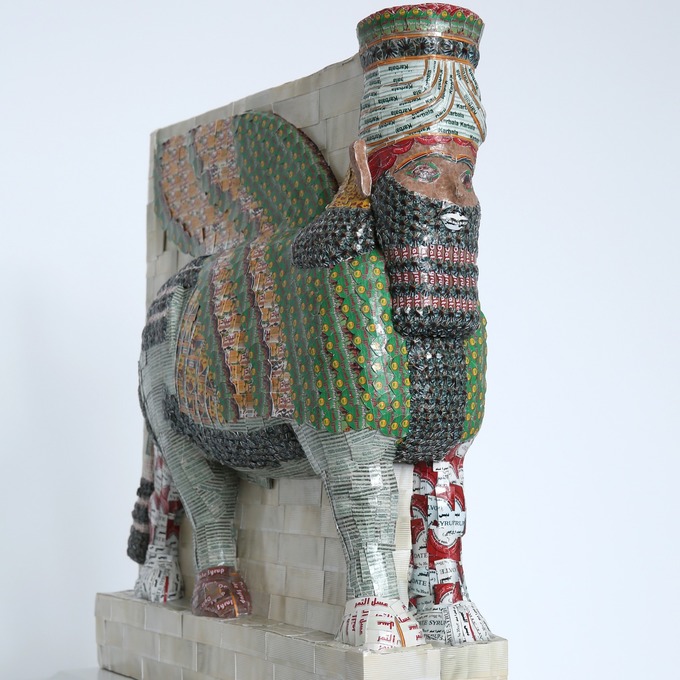
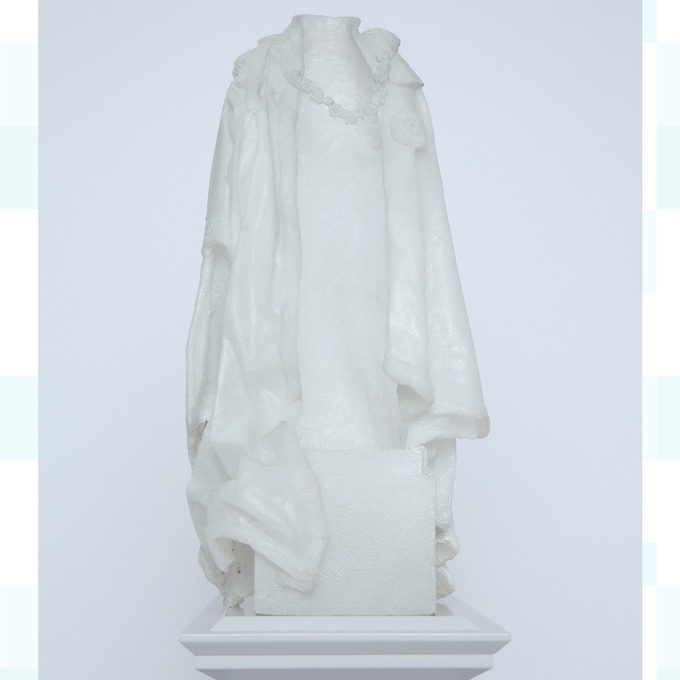
The shortlisted proposals, which are currently on show in the National Gallery’s Annenberg Court until 26 March 2017, include an empty white robe, a recreation of a sculpture destroyed by ISIS, and a scoop of parasite-covered ice cream.
Not long now to find out which two works will be selected to finally stand on the plinth in 2018 and 2020.
Shortlisted sculptures in images
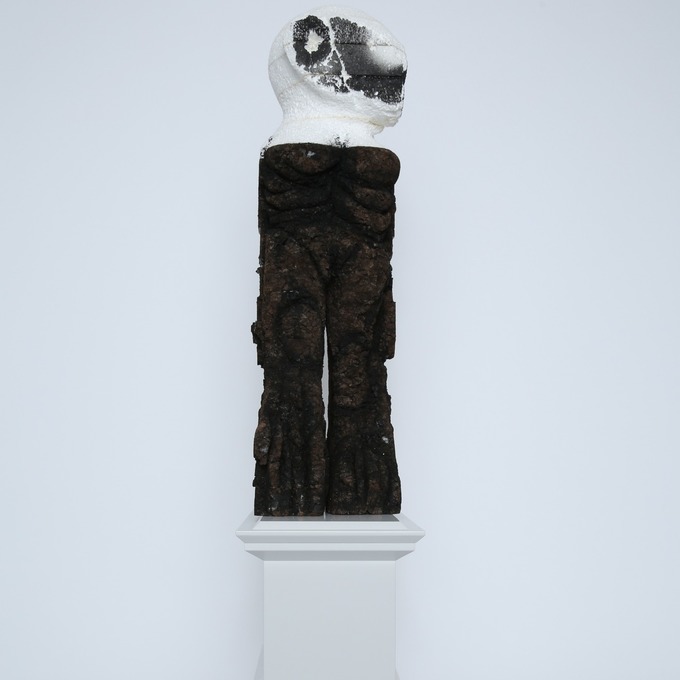
“Untitled” by Huma Bhabha
– an imposing figure, the scale reflecting a modern comic sci-fi movie.
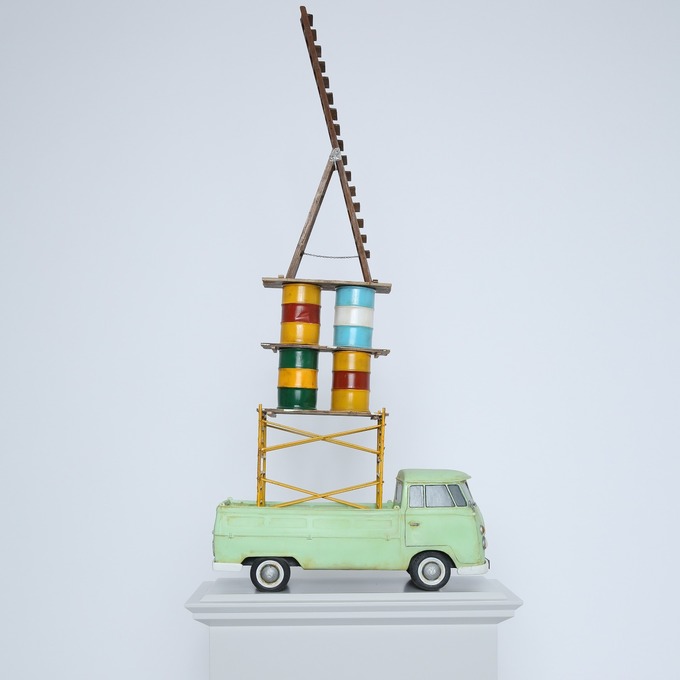
“High Way” by Damián Ortega
– a playful and precarious construction of a truck, oil cans, scaffold and a ladder.
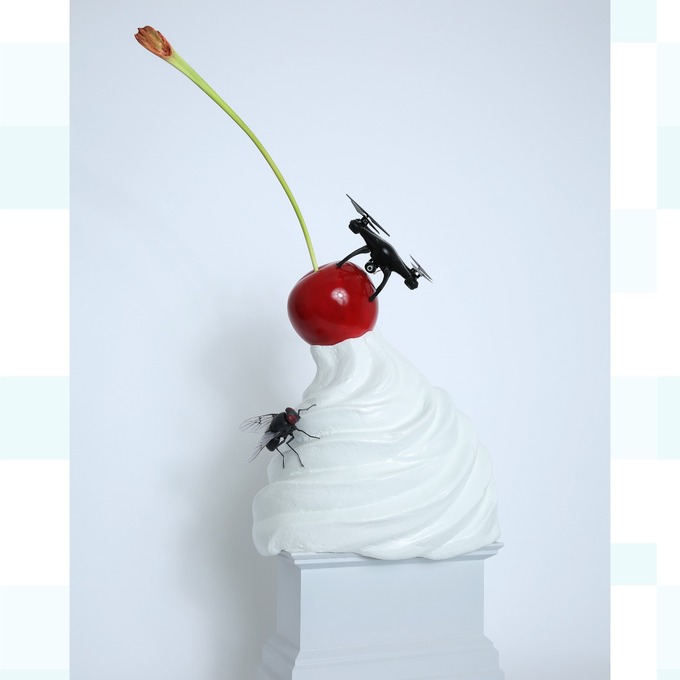
“THE END” by Heather Phillipson
– explores the extremes of shared experience, from commemorations and celebrations to mass protests, all while being observed by a drone’s camera.
“The Invisible Enemy Should Not Exist” by Michael Rakowitz
– a recreation of the Lamassu, a winged bull and protective deity, which was destroyed by ISIS in 2015.
“The Emperor’s Old Clothes” by Raqs Media Collective
– explores how power can be both present and absent in sculpture.
About the Fourth Plinth
Ronzo art Pure Evil: creatures of Crackney
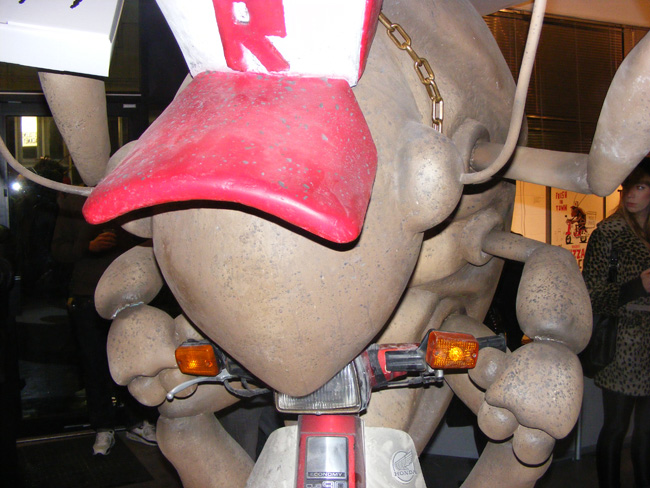
Even if you do not know Ronzo but hang out in Shoreditch or the City, you’ve probably come across his works, I want to talk about his ‘big teeth’ monsters who are (some have been removed) spread over the area, either in the form of small statuettes or on posters
Ronzo is well-known among street art fans in London so it was not surprised to see a large number of people up for his second solo exhibition at Stolen Space.
This show offers a large range of works and proves once again how Ronzo can be creative and juggle between mediums.
A series of paintings, collages, prints and sculptures stand proud in the gallery and should please a large number of people from various backgrounds or tastes. The theme of the show, Crackney’s finest, becomes clear quickly: Ronzo tells us the story of ‘Crackney’ (read Hackney) which he lives and lingers.
Crack smoking squirrels or giant cock-roaches delivering pizzas, Ronzo has gone for the surreal to give his vision of Crackney. And it is right: Hackney can be sometimes sort of surreal, mad perhaps but fun too.
This show also confirms Ronzo’s interest in sculpture, as in recent years he has use the medium more than anything else. The show proudly displays one such sculpture, a huge larger-than-life cock-roach riding a pizza delivering bike, emblazoned with the words: I love Crackney. This piece rotates right at the entrance of the gallery: unique and bold.
It felt good to be at that show and it was definitely enjoyable to look at works ranging from collage to sculpture. Anybody should find a special piece for their likings.
Ronzo’s show is an invitation to enter his vision of Crackney or Hackney. If you are an East London lover, you’ll love this show.
StolenSpace Gallery:
The Old Truman Brewery (Located at the end of the Car Park/ off Dray Walk)
91 Bricklane, London E1 6QL, UK
P: +44 (0) 207 247 2684
Crackney’s finest runs until this Sunday 28th November 2010
Opening hours: Tuesday – Sunday 11:00am – 7:00pm
Enjoy the pics below from the opening night as well as the video of the making of ‘Crunchy’ that can be seen on the Great Eastern Street side of Village Underground.
Related links
> Google map of Ronzo’s monsters from the Londonist website
> Ronzo on Vimeo
ART-PIE