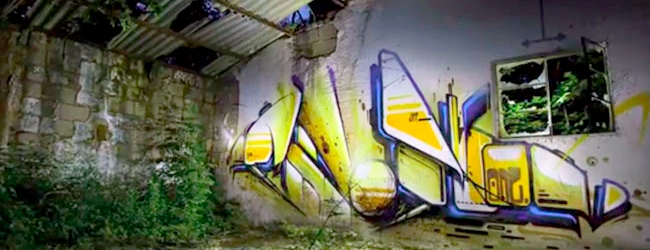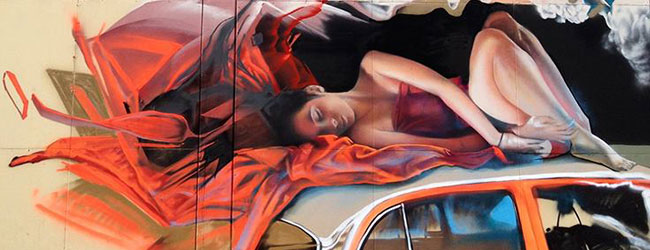
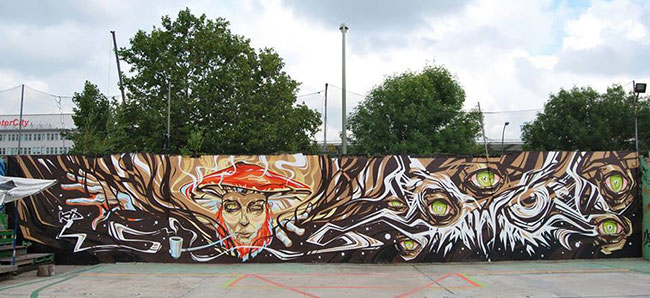
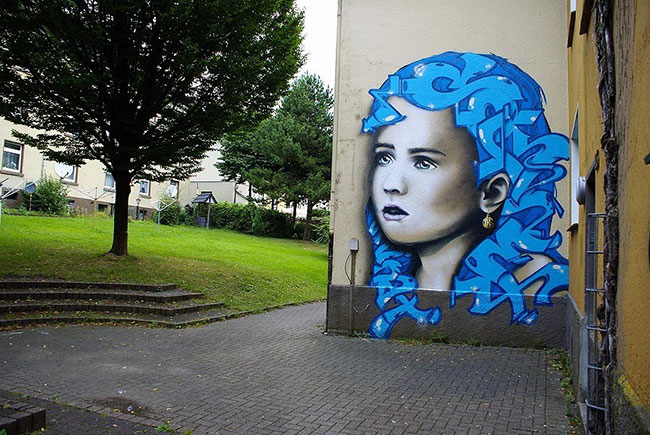
Part of our 3 street art works series you should see today: KD, CokeOne & TeloMiel.
KD – located in Berlin
CokeOne
TeloMiel
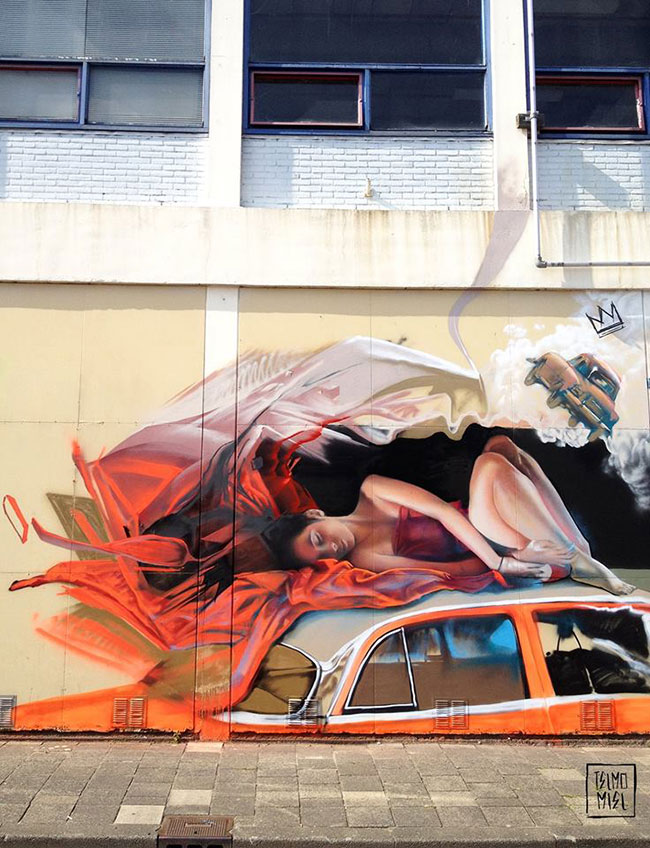

Part of our 3 street art works series you should see today: KD, CokeOne & TeloMiel.
KD – located in Berlin
CokeOne
TeloMiel
 Australian artist MEGGS’s first show outside his native country is opening tomorrow, 23rd June 2010 at the Red Bull Studios and is called “Inner Demons.”
The show will have two main aspects: MEGGS’s exploration of “fears fears, desires, and obstacles each person faces within themselves” but also an insight into his process when making art through a series of photographs and references to what he does and use in that very process.
Expect screenprints, canvases, paintings and collages. Take a look below at one of his pieces as well as the documentary made as a preview for the show
When – 23 till 27/6/2011
Where – Red Bull Studios | 155-171 Tooley St | City of London | SE1 2JP

This is it. It is lunch and I am craving, not food, but a good art show to go and check out, preferably a short distance from the office.
I quickly gathered my thoughts and here I am on my way to Zari gallery on Newman street (London) or this is where I thought I was going, should I rather say.
I stand there now and as I look up, I realise that I am in front of a gallery called Edel Assanti (the galleries are next to each other but I had never realised there were two separate ones until that day).
As I step in the gallery, I cannot help but noticing the simplicity and sobriety of the venue, which is not a bad thing at all, since it enables the viewer to focus only on what matters – the artistic output from the current show.
A quick nodding to the gallery assistant and here I am, almost trotting towards the back of the gallery to look at ‘Great Wall Of Sand‘.

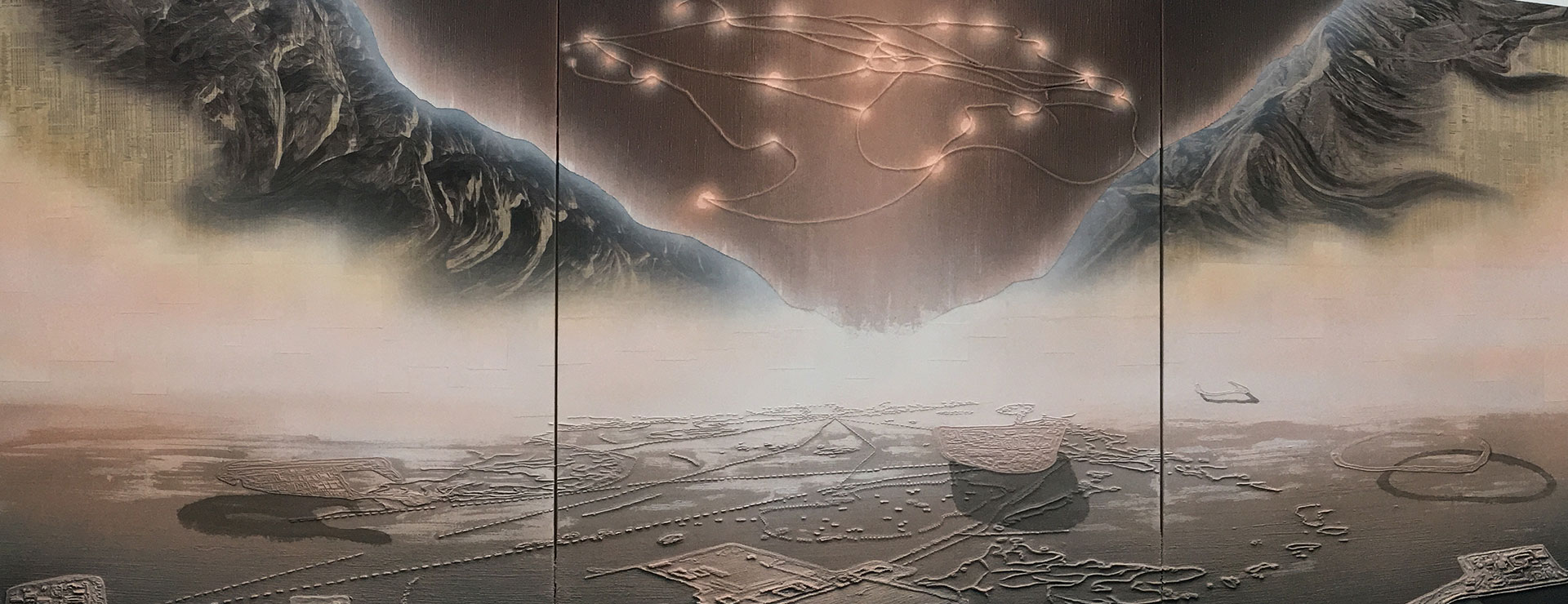
This very large piece drew my attention right away, because all large pieces usually do, but also because I could not make out what I was looking at from far.
I still can’t.
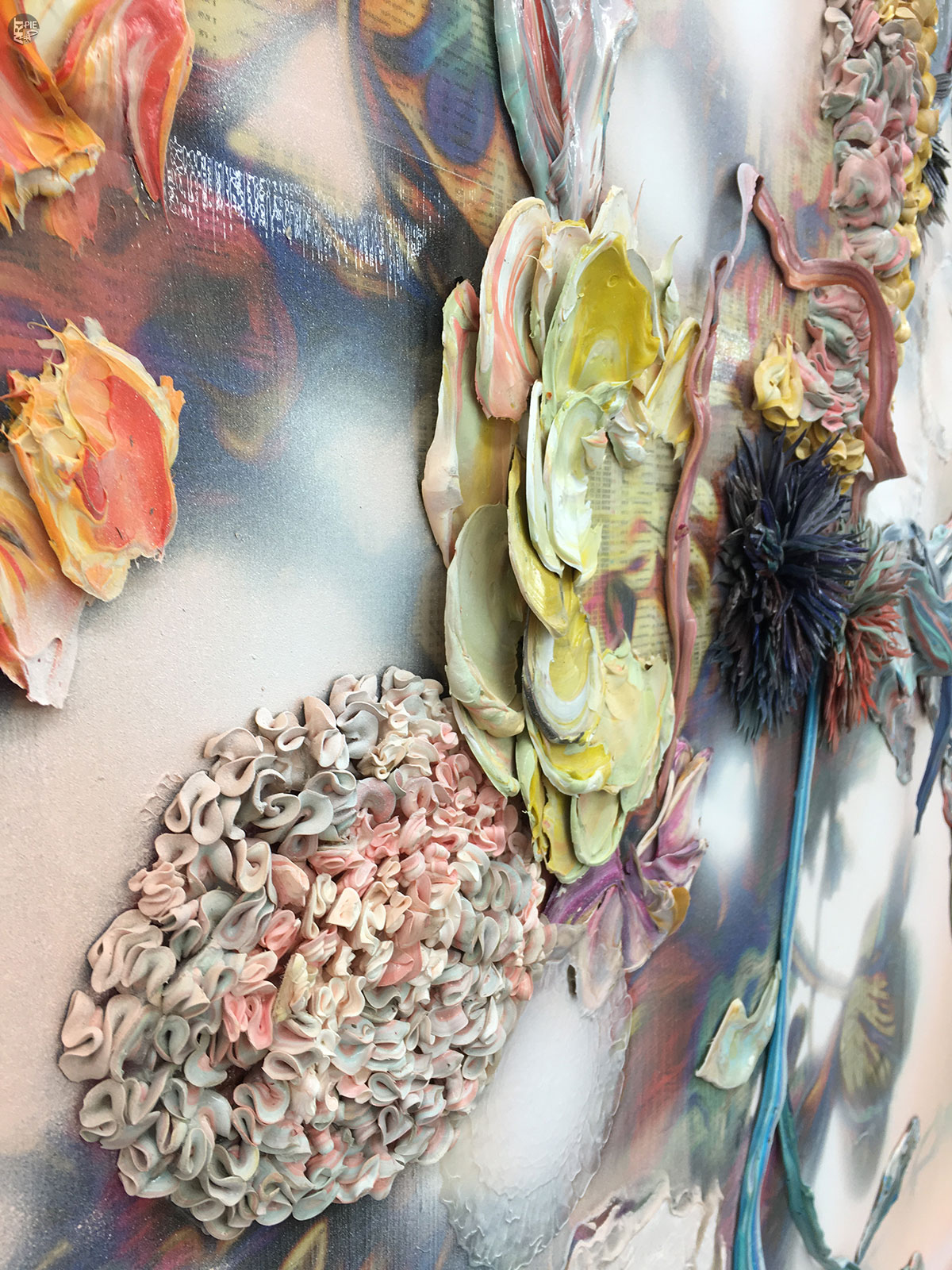
Now, what really needs your attention is the relief in this piece, which you cannot figure out at first but come closer and closer and you’ll see that actual sand (see below) is included in Gordon Cheung’s work.
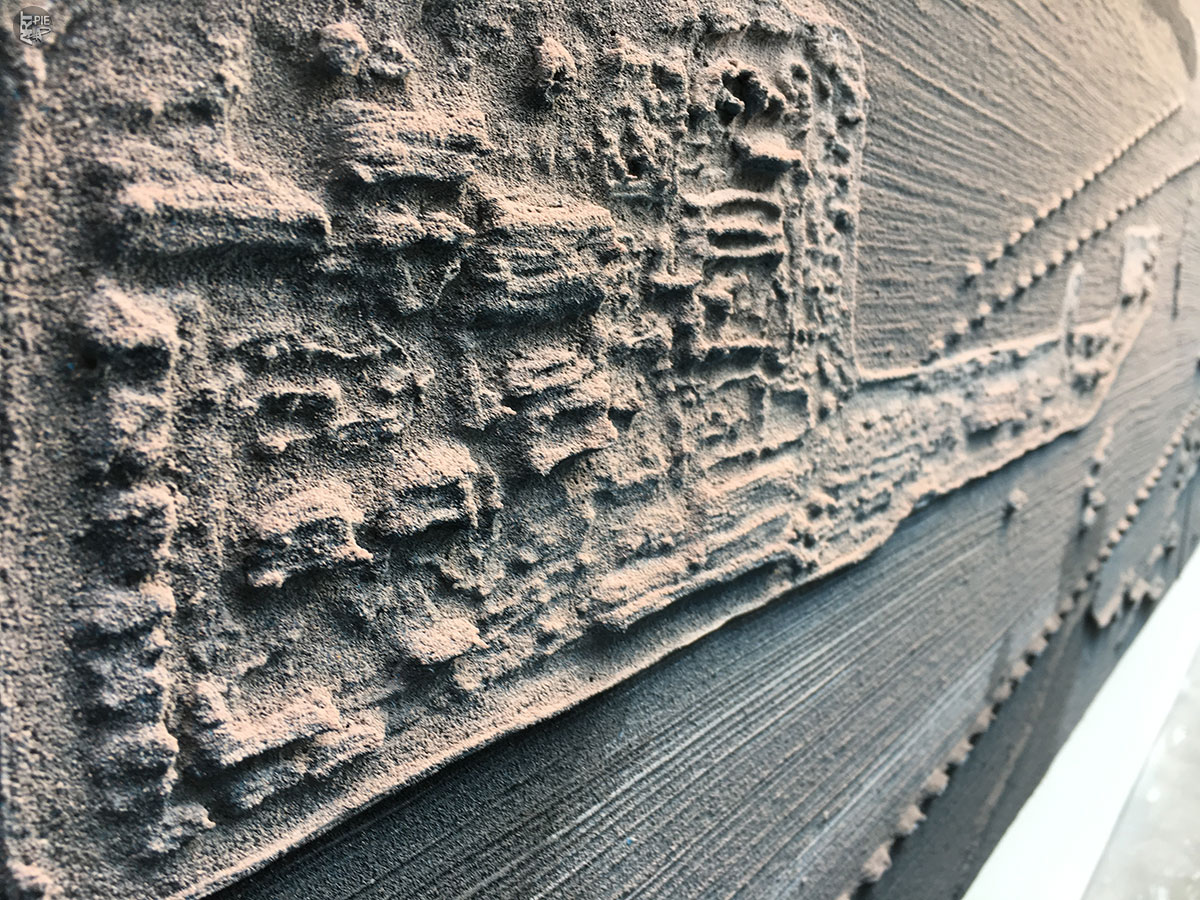
Samples of what looks like newspapers also help to make up some of the background of this artwork.
A beautiful and dreamy piece.
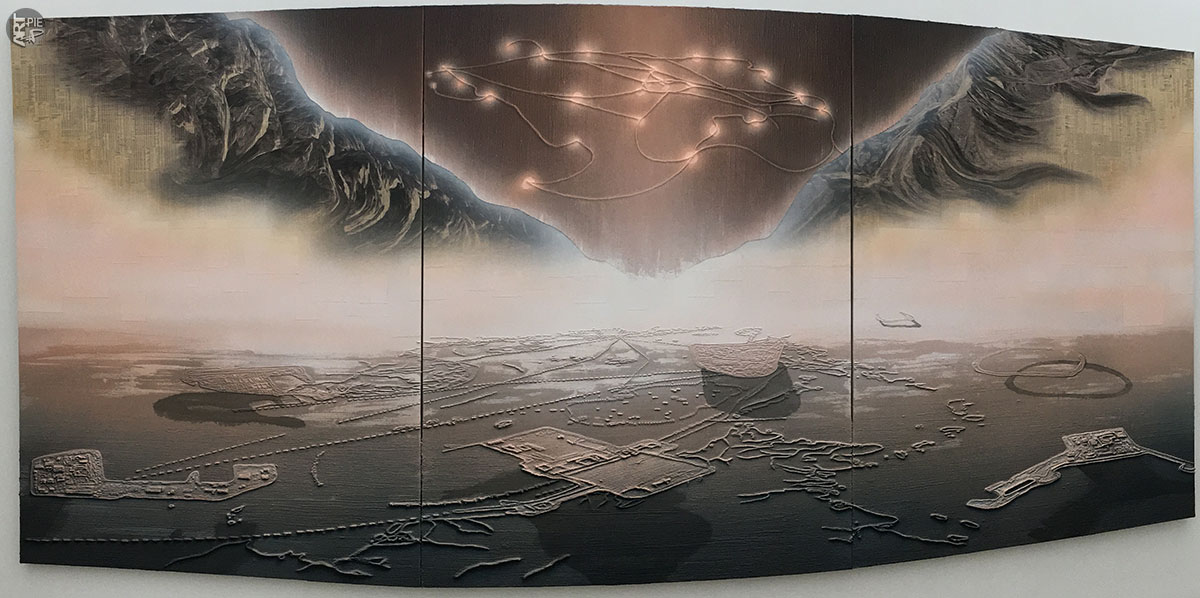
Alongside the large pieces (of what looks like sceneries – more pics below), 2 other different types of works are on display –
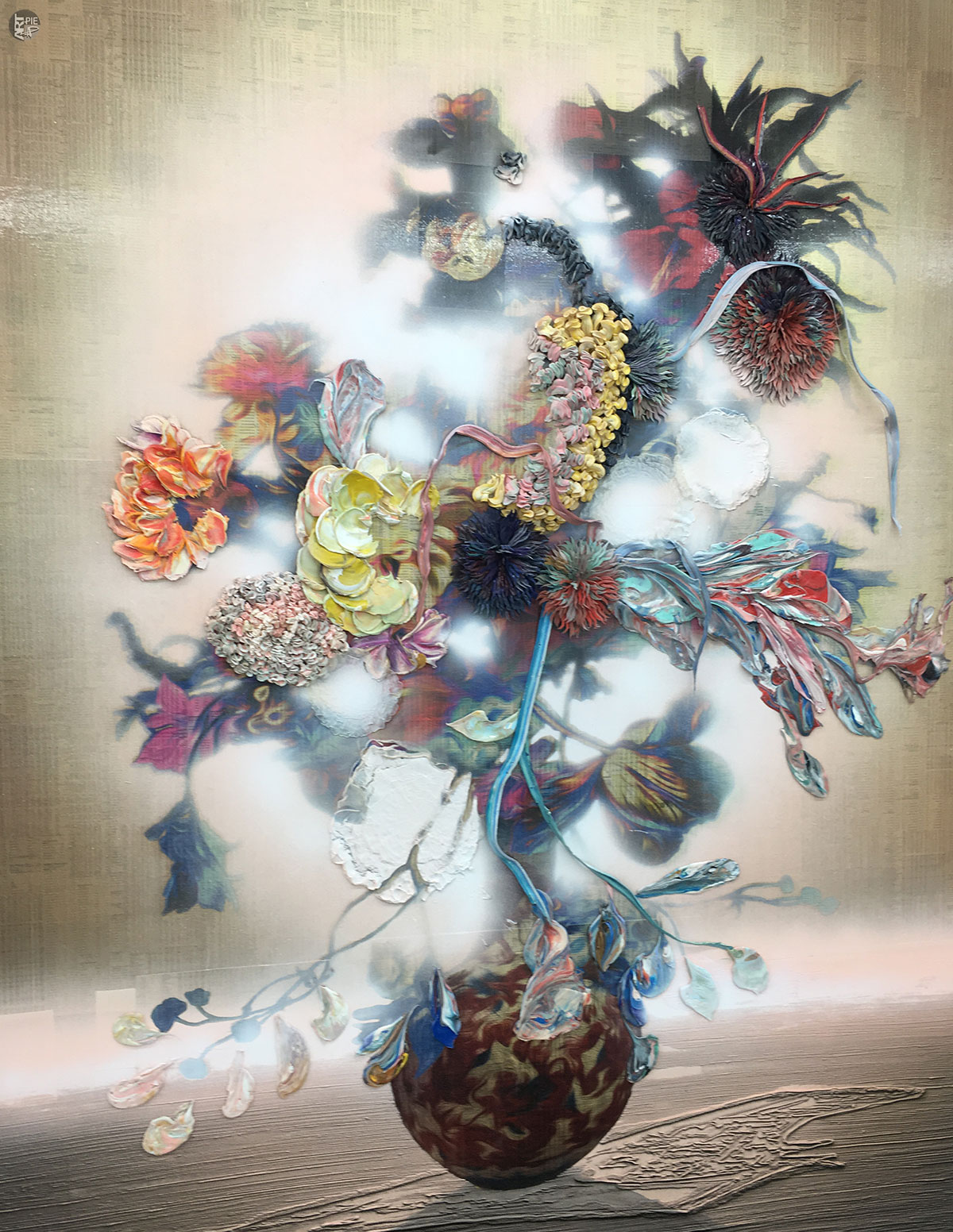
The first one is using plain pigment paste (and later painted on) and stuck sand on canvas again (see previous post) and depicts flowers in a vase like I have never seen it before. Although, the aesthetics of the piece did not wow me, I can appreciate the various technics and the ‘refreshing’ take on such a subject.
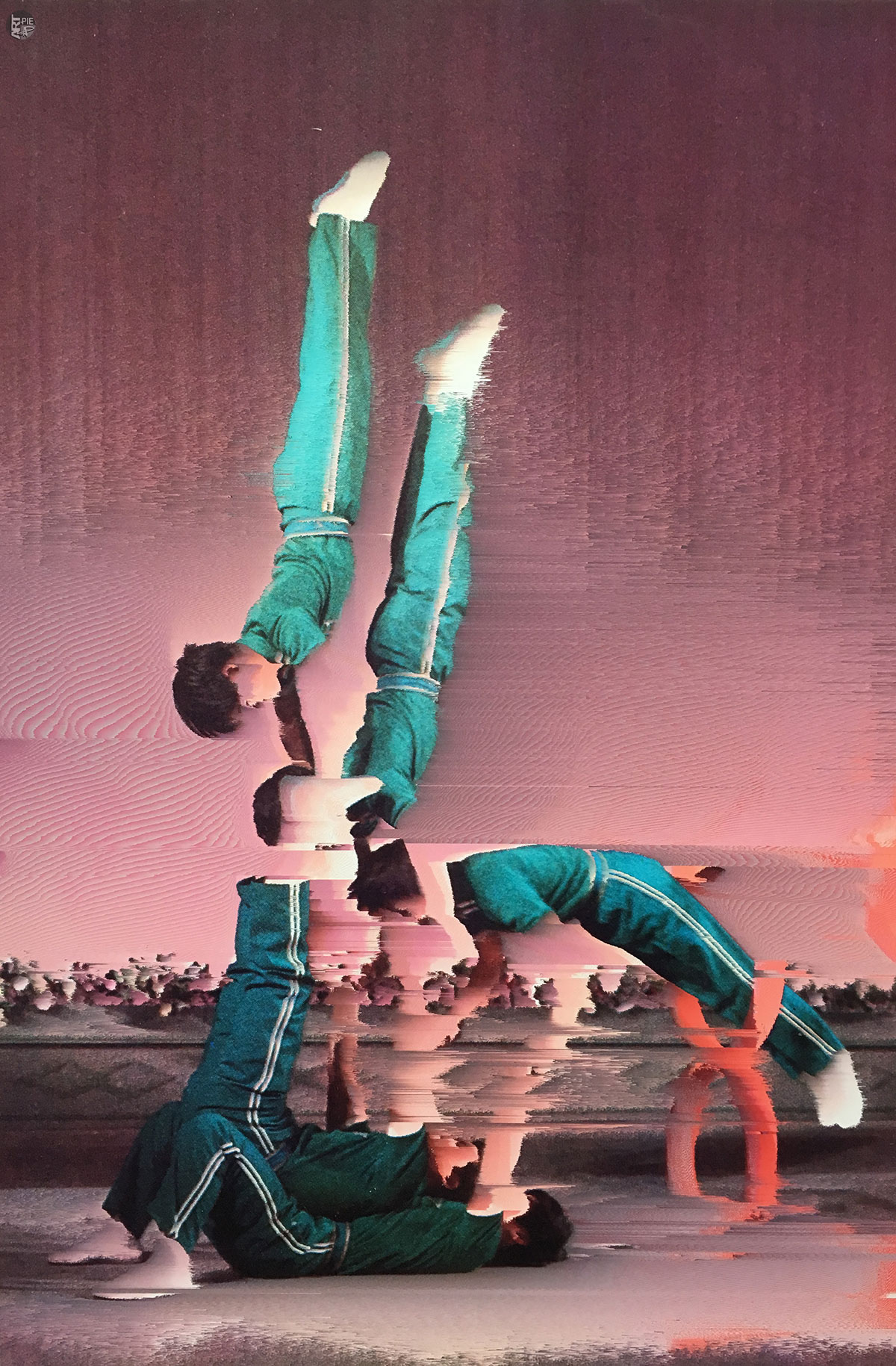
The second type of work is radically different with the rest and is a series of what may look like collages. It also reminds me of some times where you watch TVs and the signal gets weak – you know what I mean I am sure.
I must have been distracted by the other type of artworks in this show, since as I was going through the photographs I took, I felt urge to go back and have another look at those.
Last time we saw Gordon Cheung’s works was 7 years ago and we are glad to see that the artist is still pushing the boundaries as much as in terms of the colour palette he used than disrupting the usual and common perception of a painting being flat
More – http://edelassanti.com/artists/33-gordon-cheung/exhibitions/
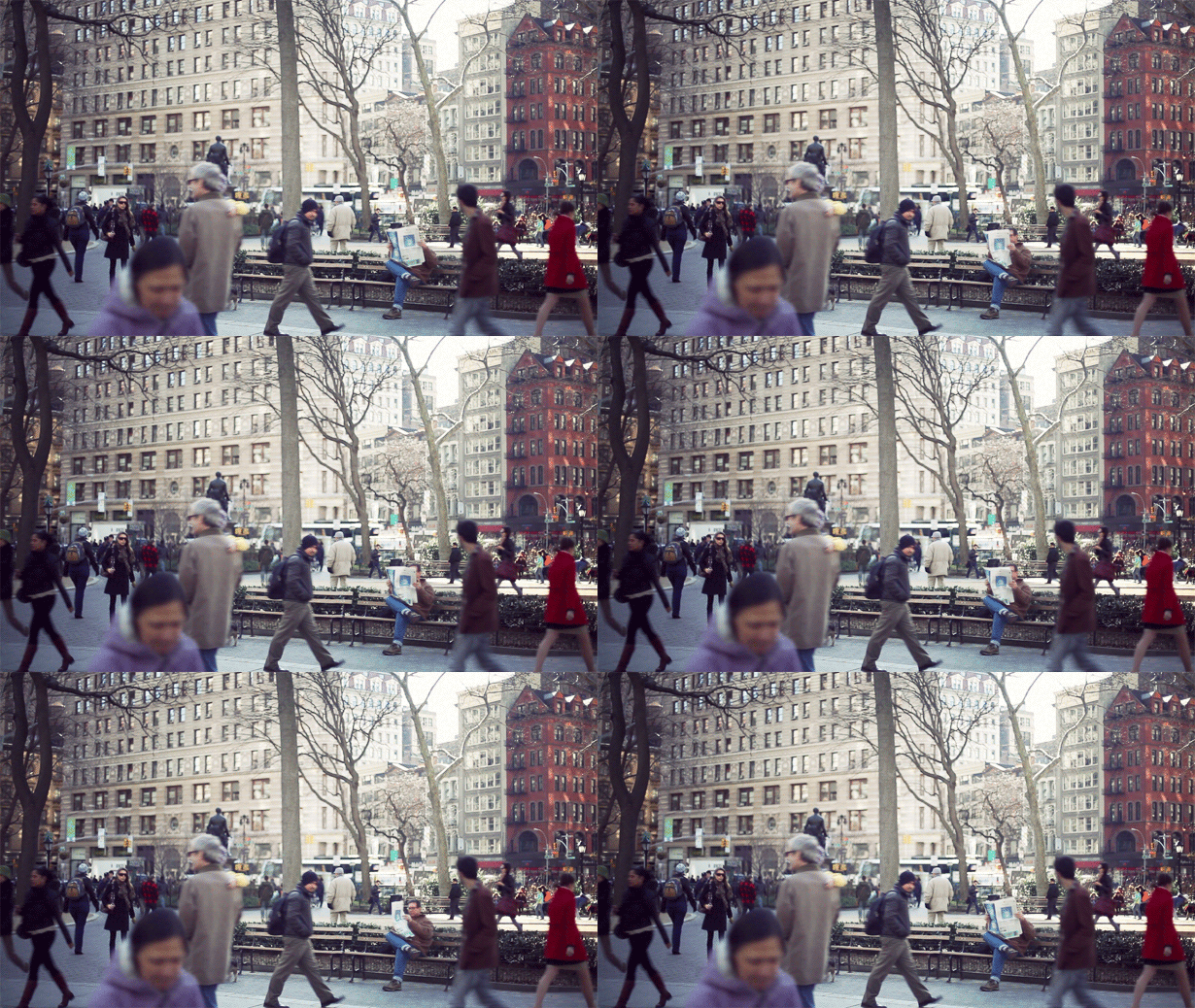
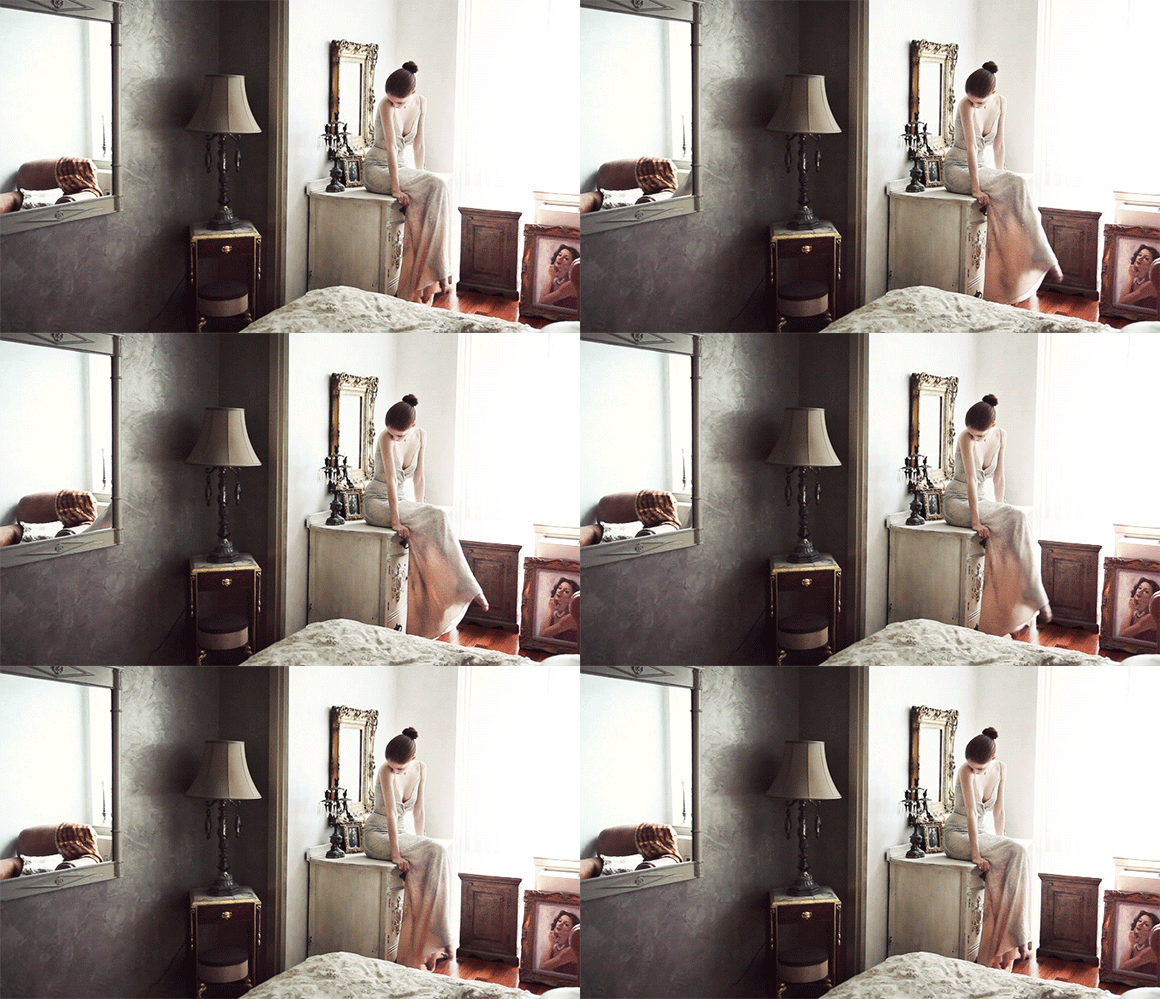
You may have seen those before or you may have not. but cinemagraphs, as they are called, are hot right now in the design world, blogs and social media platforms.
We published before about this new type of media which are still photographs in which a minor and repeated movement occurs. Cinemagraphs, which are usually published in an animated GIF format, can give the illusion that the viewer is watching a video.
They are commonly produced by taking a series of photographs or a video recording, and, using image editing software, compositing the photographs or the video frames into a seamless loop of sequential frames.
We browsed the web and put together a collection of 10 awesome cinemagraphs that will amaze you hopefully.
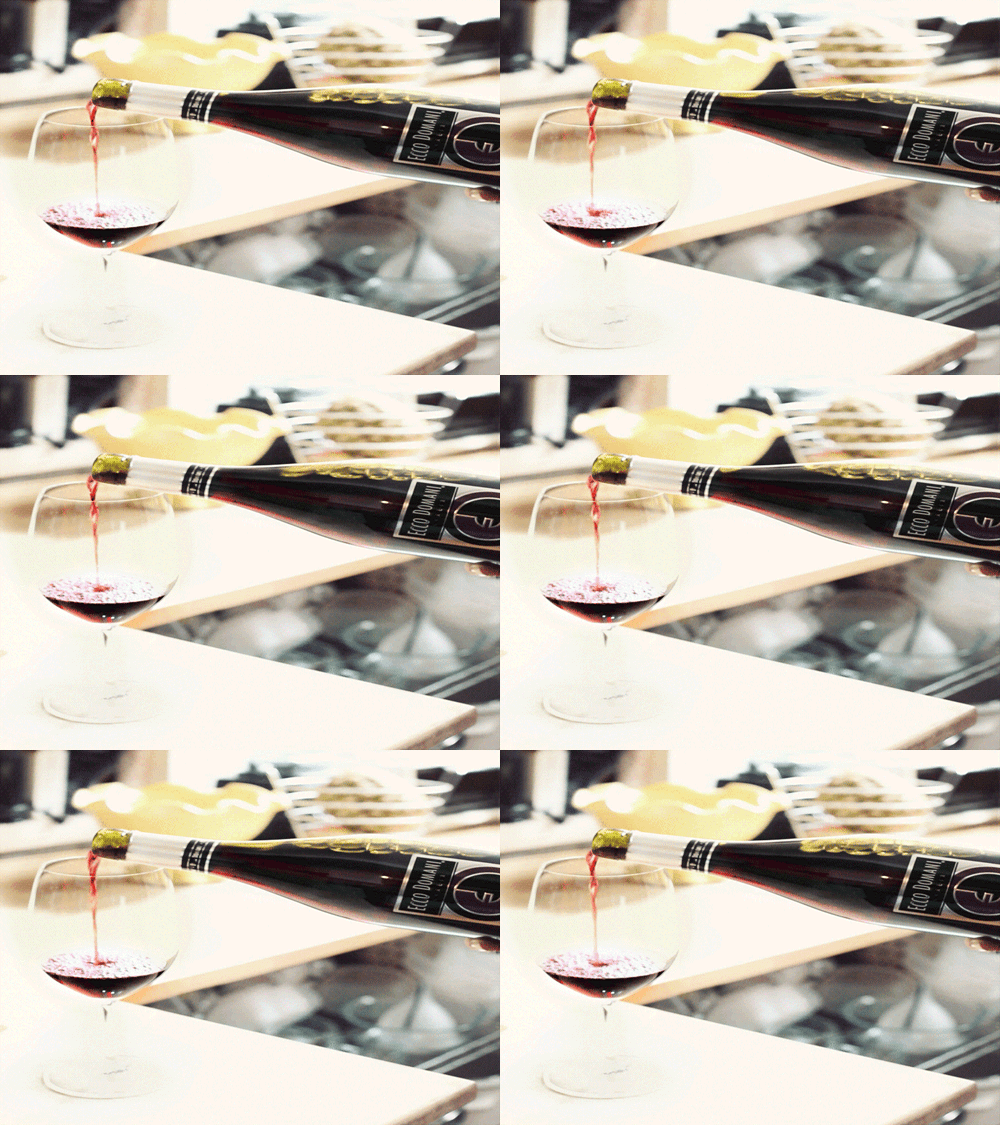
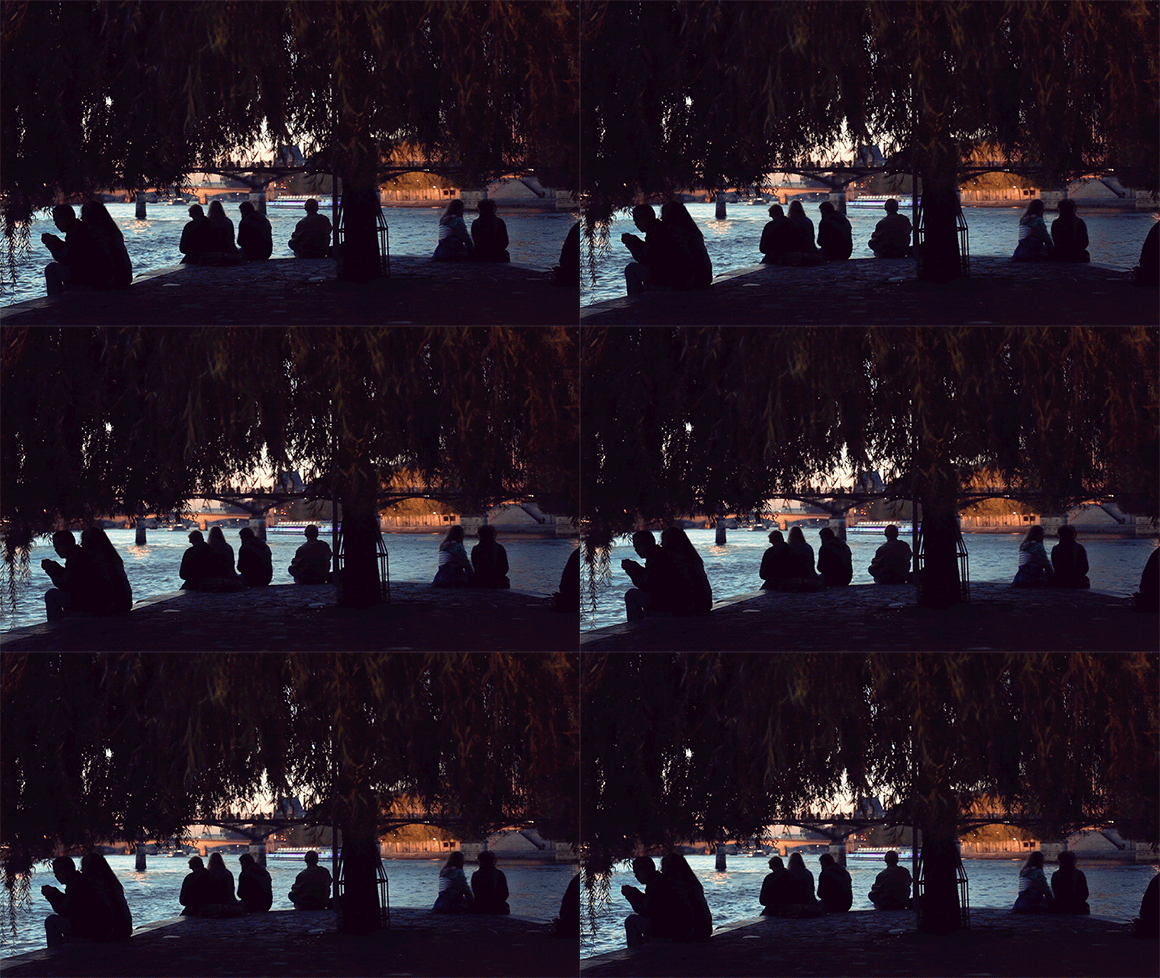
One of the more common cinemagraphs, the pouring visual or liquid flow are high effective. For example, the pouring wine example below show that there is no imprint left on the glass or change in level from the bottle, the only movement comes from the constant flow of wine.
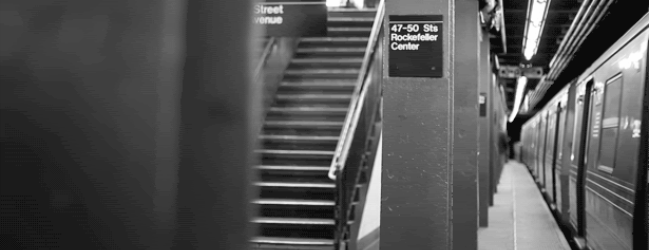
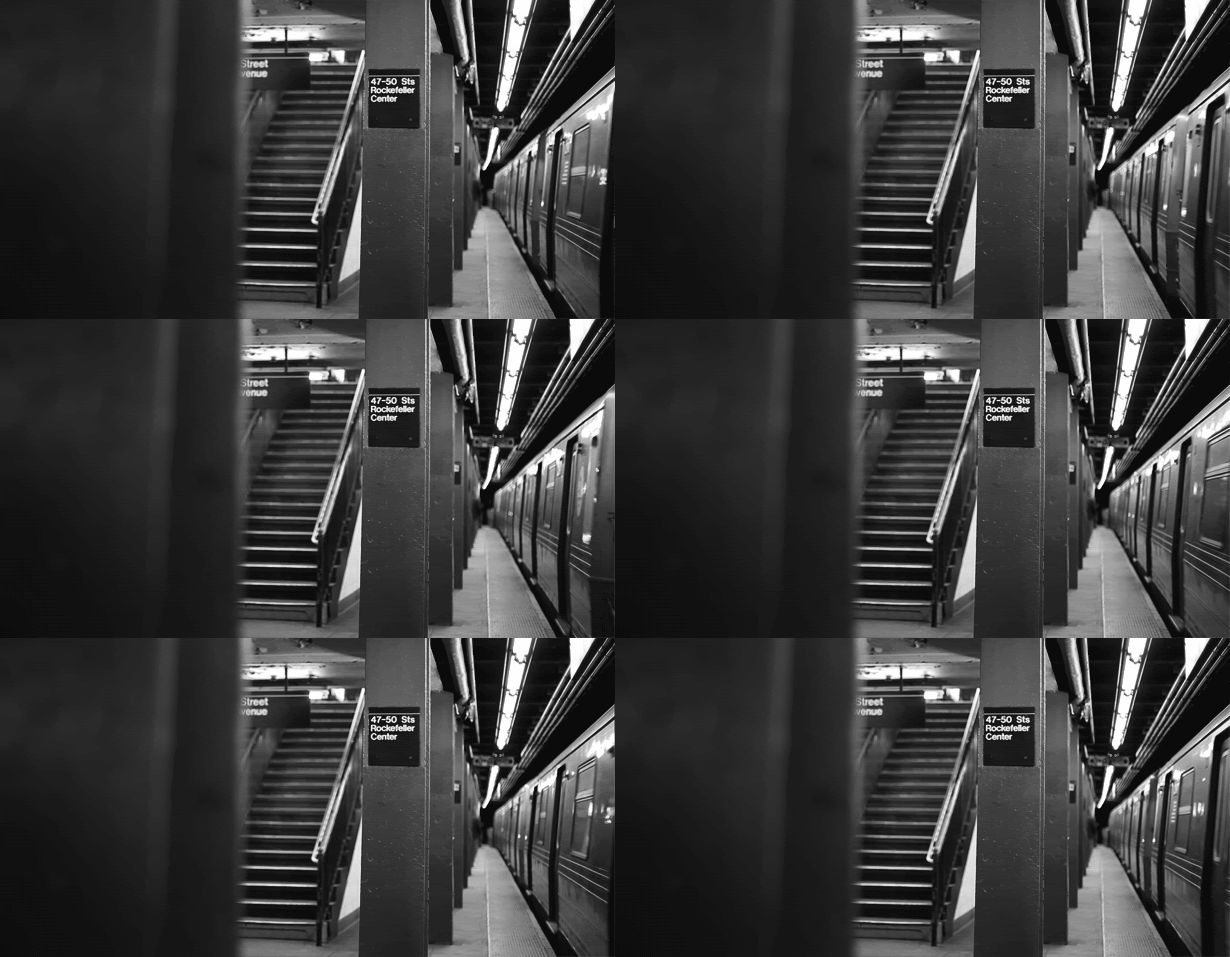
Another effect used in cinemagraphy is the movement of objects as the first example below shows. You can see the a train from the New York underground Subway network. Without anybody being captured in the entire scene, the train pulls into the station and departs instantly.

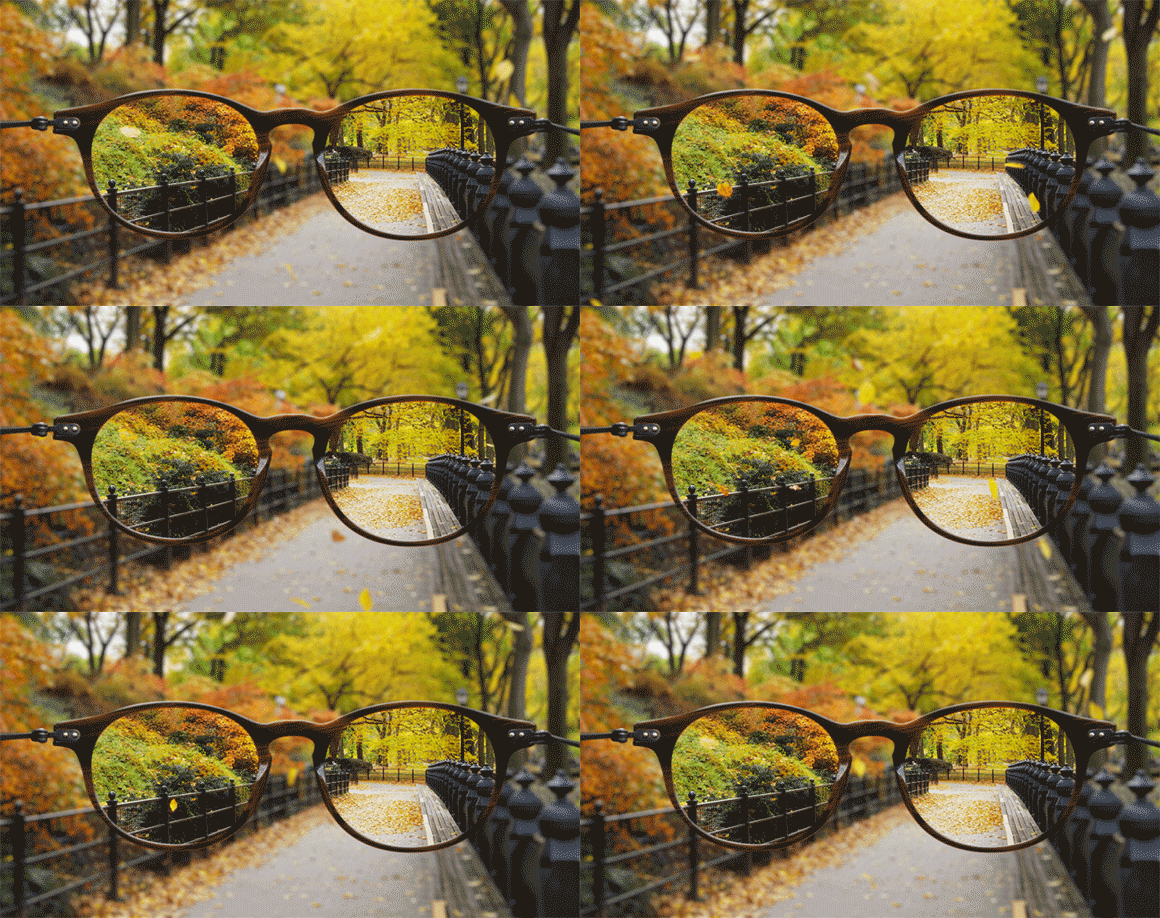
The term “cinemagraph” was coined by U.S. photographers Kevin Burg and Jamie Beck, who used the technique to animate their fashion and news photographs beginning in early 2011. The technique of those images existed before, it was e.g. already used for the advertisement of the game Mirror’s Edge back in 2008.
Another common effect in cinemagraphy is applied to humans or animals and can give the viewer a quirky, chilling ot event sometime quite scary output. I’ll let you be the judge of the examples below



Paul Normansell painted the album art for The Killers No.1 album “Day and Age” which sold 2.4 million copies worldwide and Rolling Stone called “The Best Album Art of 2008.” MTV called Paul’s art the best album art of the decade. NME nominated it as Best Album Art of 2008. Continue reading Paul Normansell
Launched at Ickworth House in Suffolk in July 2011 (Now that would be) Telling is a collaborative project between the artist Hayley Lock, curator Catherine Hemelryk and writers Jessica Hart, Lucinda Hawksley, Ben Moor, Hallie Rubenhold and Liz Williams.
Lock and the writers have created a series of site-specific works in English stately homes. Part myth and part encrypted biography, these works reveal/conceal parallel histories of the residents of these remarkable homes.
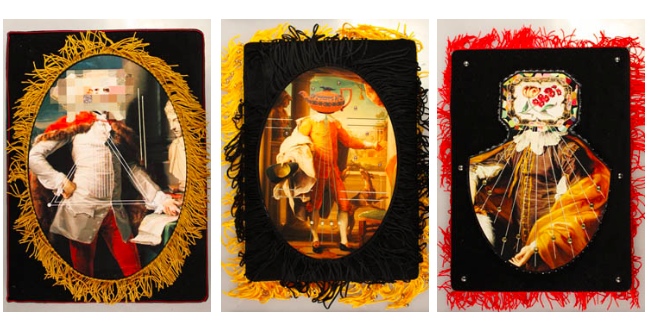
For Transition Gallery Lock is showing a series of works originally made for a grand home proudly situated in rural Bedfordshire. These portraits of the real and imagined lovers of the Lady of the House use mirrors and light to form a multiple of 28 and include a new portrait of the Lady herself. Lock meshes a range of sumptuous materials including velvets, brocades gilt and fringing into the portraits referencing the imagined interiors of Caddington Hall the family house. Elsewhere the digitally enhanced landscapes play out their stories of love, romance and deceit in an uncanny space where truth and fiction, history and scandal collide.
Words from Transition gallery
14 Jan – 5 Feb 2012
Fri–Sun 12-6pm
“Lacan revises and enriches the myth of Narcissus, so passionately in love with his image that he plunges into the water and is drowned.”[1]
Maurice Merleau-Ponty
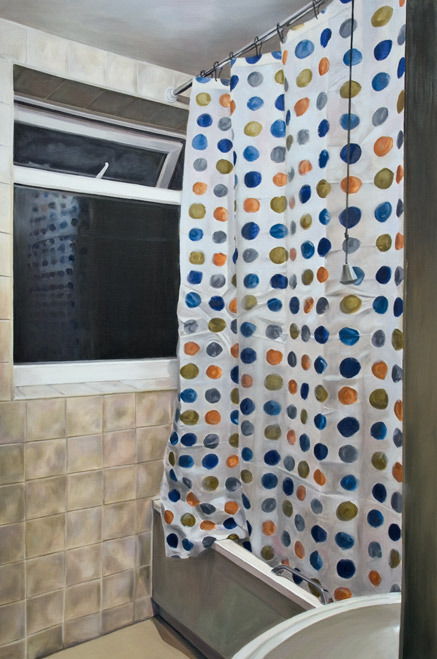
The mirror holds peril. Revealing truths unwanted or enticing the loss of the self to an objectified world. The creation of our self-identity begins with how we respond to our image in the mirror in infancy. We either recognize the ‘other’ and begin the process of socialization or we retreat to find the maternal object and become locked in the death wish.[2] Psychoanalytical theory is of course more complex and involved than that simple description. But the significance in the simplified description is the relationship of self to object. We begin to understand we are an object which occupies space, distinct from others or we seek the comfort and reassurance of objects to satisfy our longing, beginning to see everything as an object available to satisfy us.
In Kleinian theory, the ‘internal object’ is “a mental and emotional image of an external object that has been taken inside the self. The character of the internal object is coloured by aspects of the self that have been projected into it. A complex interaction continues throughout life between the world of internalised figures and objects and in the real world…the state of the internal object is considered to be of prime importance to the development and mental health of the individual.”[3]

We are bound to objects as a means to understand the world, ourselves and the complex relationships we have throughout life. Any kind of exploration of self and identity must perforce include a discussion of objects. This ‘Me’ of Mine has delved into several aspects of this ‘object relationship’, through the work of Kate Murdoch and memory association with personal identity development, Annabel Dover and the complex personal codes and emotions imposed on objects, Cathy Lomax and objects which represent self-image and emotional states and now with the work of Hayley Harrison and her use of objects as an expression of an inner self:
“I think we have to be in the ‘right’ place both internally and externally and that’s when a conversation occurs. For me self-recognition through the external is experienced in its ‘purest’ form when we are here, now, rather than through our pasts or futures. We can be taken off guard by something, something perhaps poetic that throws us into the present. Whatever that something is, we just have to come into relationship with it. When we experience one of these rare conversations between the internal and external I believe we come back to ourselves, much like Jacques Lacan’s famous discourse with the sardine can. Ultimately within these moments we are looking into a mirror.”
Read more of my interview with Hayley, Speak Me Many Times .
Read past interviews with Kate Murdoch, Annabel Dover and Cathy Lomax.
[1] Roundinesco, Elisabeth, “The Mirror Stage: an obliterated archive” from The Cambridge Companion to Lacan, edited by Jean-Michel Rabaté, 2003, Cambridge University Press, accessed online at: http://artsite.arts.ucsb.edu/~arts1a/outlines/The_Cambridge_Companion_to_Lacan.pdf , 25 June 2013
[2] Ibid.
[3] Melanie Klein Trust, http://www.melanie-klein-trust.org.uk/internal-objects ,accessed 25 June 2013
“Public art is art in any media that has been planned and executed with the intention of being staged in the physical public domain, usually outside and accessible to all.” says Wikipedia.
And this makes public art more likely to be criticized, because the potential number of passers-by can be substantial. This is especially true in high-pedestrian cities such as Chicago, which is well-known as an excellent place to encounter public art.
“Public art may include any art which is exhibited in a public space including publicly accessible buildings, but often it is not that simple. Rather, the relationship between the content and audience, what the art is saying and to whom, is just as important if not more important than its physical location” Wikipedia adds.
There you have it – public art is often bold, conveying a strong message which sometimes sparks significant controversy
We’ve included 5 public art pieces below, which have been and are still causing uproar.
1. John Ahearn, The South Bronx Bronzes (1988), New York
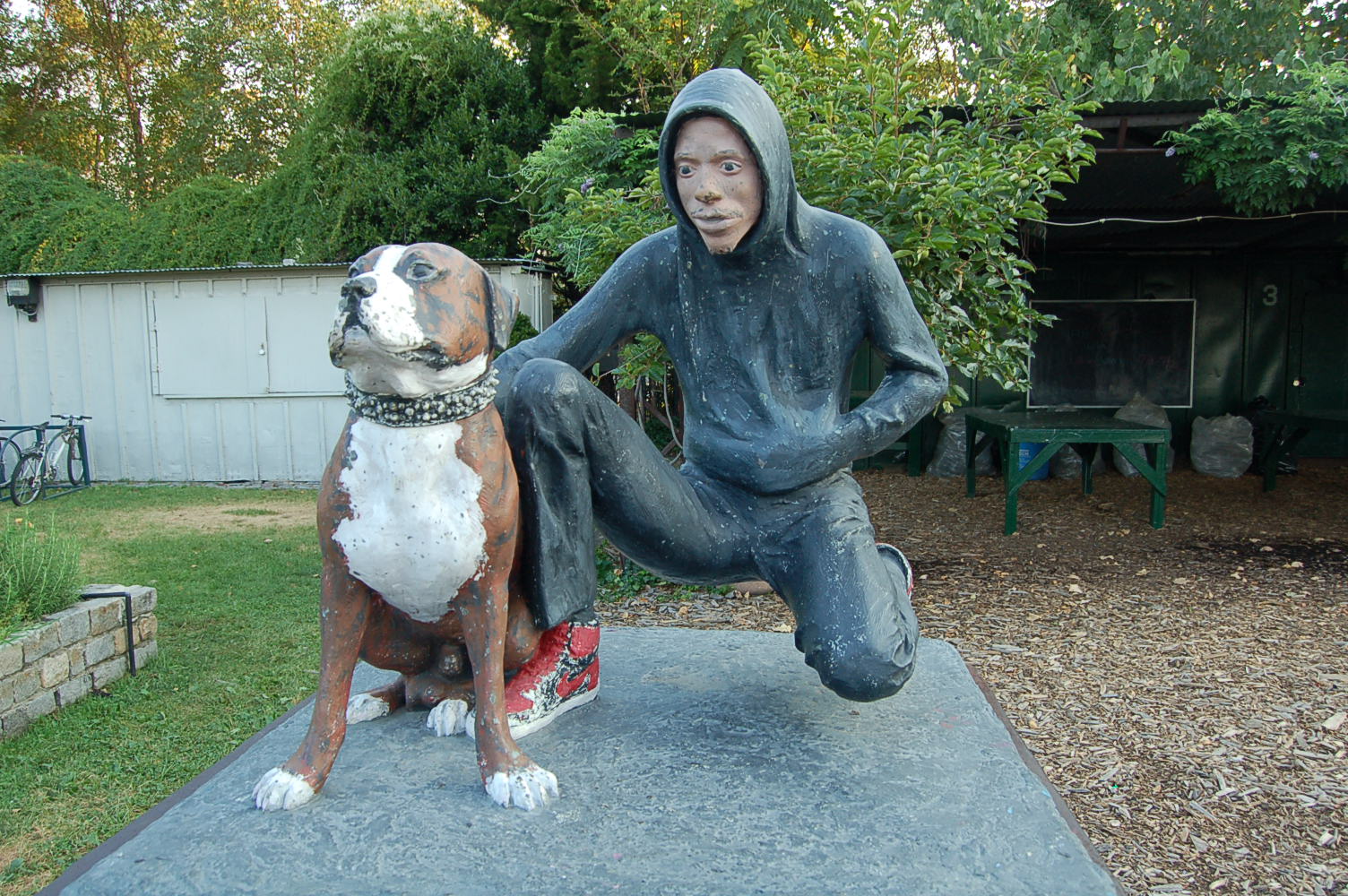
Erected in 1988, John Ahearn’s South Bronx Bronzes pose questions of ownership, identity, and rights in a public space. A white sculptor, Ahearn lived and worked in poverty-stricken South Bronx and made life-size castings of neighbourhood residents, always giving one copy to his model.
His community-based art led the New York City Department of Cultural Affairs to commission him to create a set of sculptures for the local police station. Ahearn chose to cast ordinary people as his subjects as a way to embody the community’s character. But his sculptures immediately spurred a debate embroiled in race and socioeconomics.
Residents of the neighbourhood thought the artist was relying on tropes, choosing to depict them as poor hoodlums instead of creating positive and inspiring images for the community. Others thought that only black artists should be able to represent black subjects.
Genuinely shocked and disturbed by the controversy, Ahearn chose to take the sculptures down a few days later.
– – –
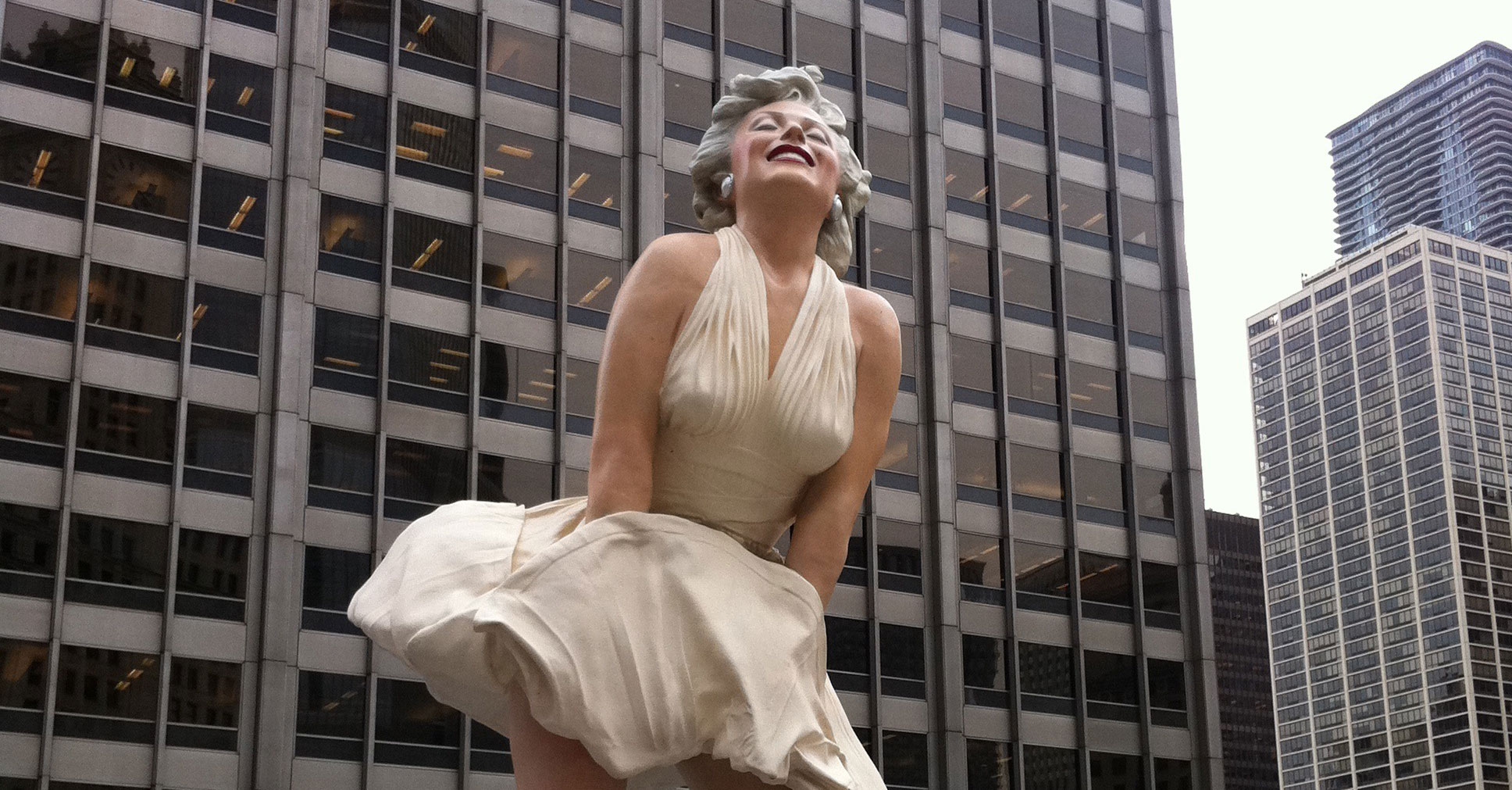
2. Seward Johnson, Forever Marilyn (2011), Chicago
What does a sculpture depicting Marilyn Monroe in a movie that pays tribute to New York City have to do with Chicago?
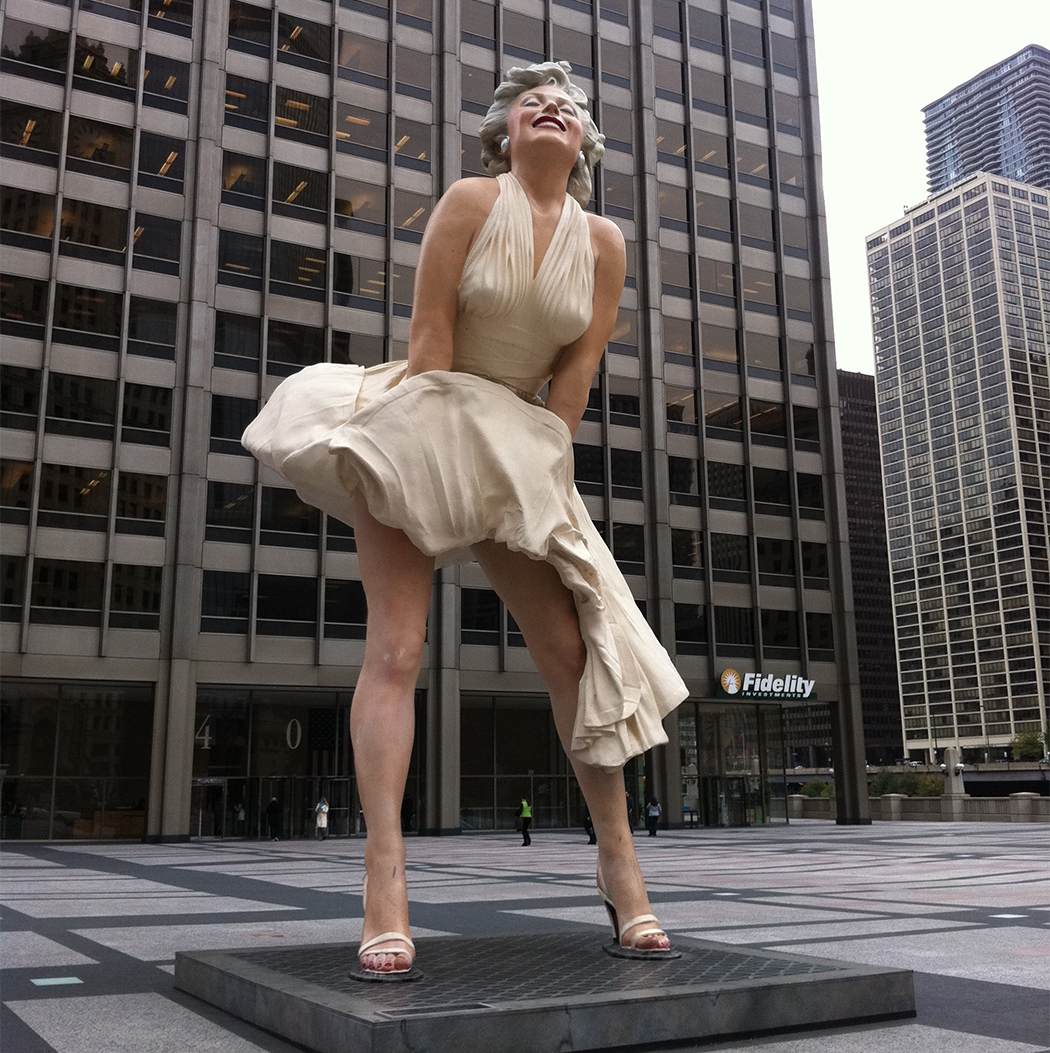
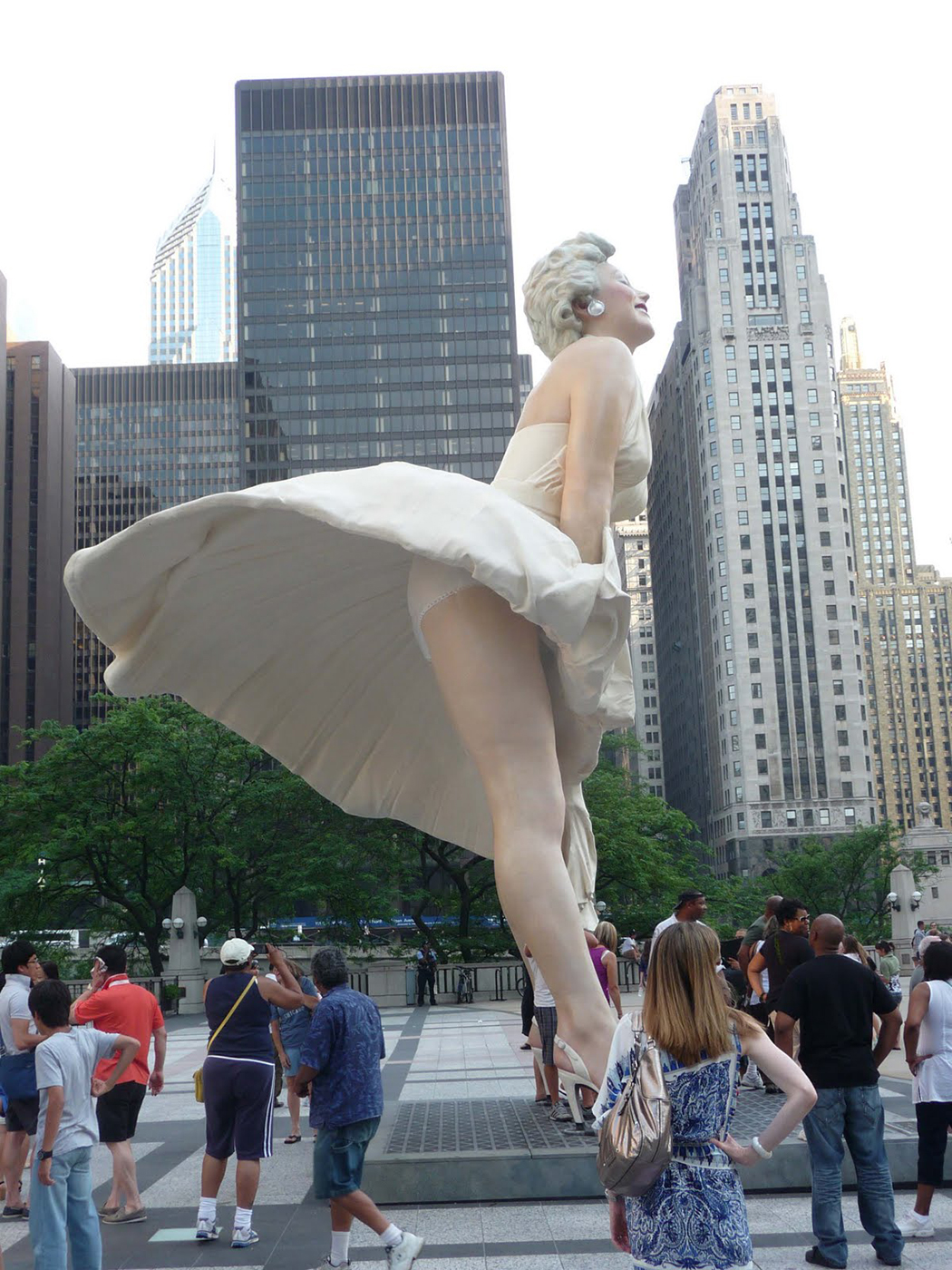
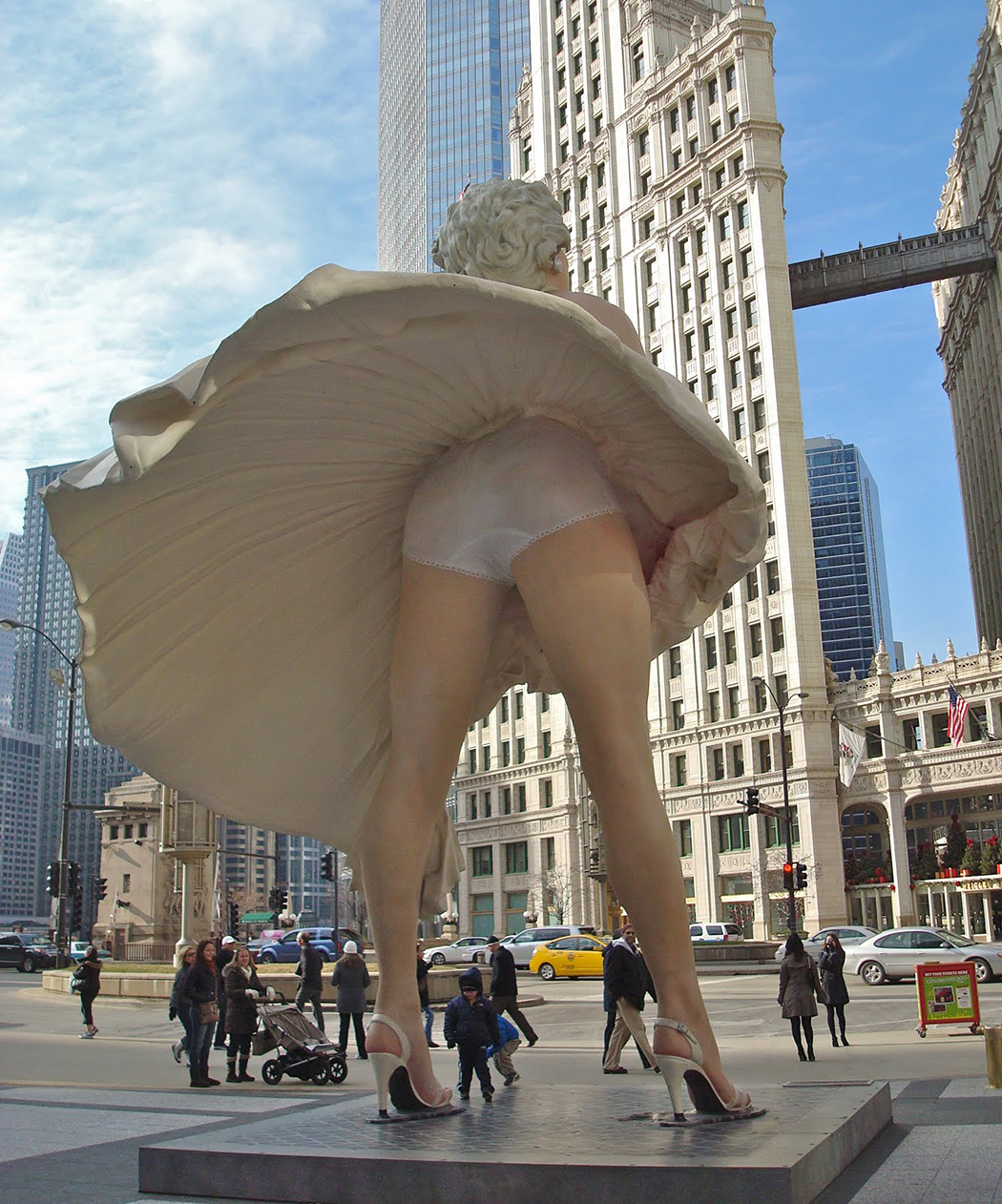
The 26-foot installation depicts a partially exposed Monroe from the movie Seven Year Itch. In addition to its irrelevance, many criticized the sculpture for its lewd and anti-feminist connotations. Its placement, meanwhile, prompted many classy photos of people gawking up her skirt, licking her legs, or pointing to her underwear.
Before it moved to California, Marilyn Monroe was vandalized numerous times. Many citizens argued that the piece of public art catered more to tourists than to Chicago residents — and they had a fair point. The monument didn’t exactly reflect the city’s character or engage positively with its community.
More pictures below – click to enlarge
– – –
3. Richard Serra, Tilted Arc (1989), New York
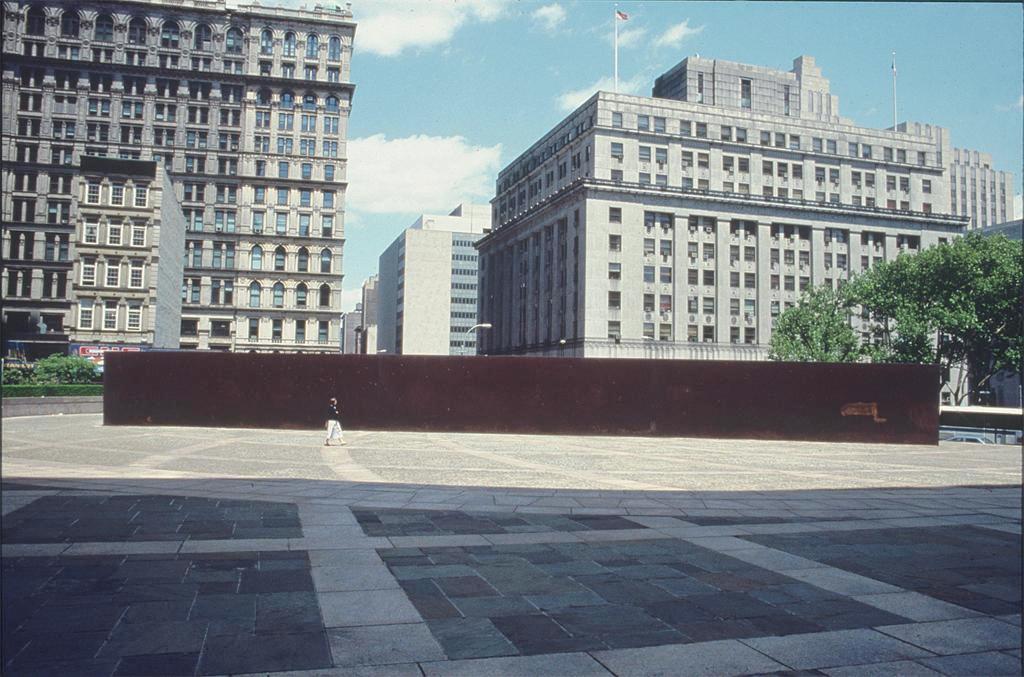
Titled Arc was at the forefront of public art controversy in the early 1980s. The saga began when minimalist sculptor Richard Serra was commissioned to create a piece of work in the Federal Plaza by the US General Services Administration.
Tilted Arc was a $175,000 piece of oppressive black, raw steel. Measuring 120 feet long and 12 feet high, the arc cut the Federal Plaza in half and forced those working in the nearby buildings to redirect their walking path in order to get through the plaza. The work did not mesh well with its surroundings — which, according to Serra, was the point. “The viewer becomes aware of himself and of his movement through the plaza. As he moves, the sculpture changes…. Step by step the perception not only of the sculpture but of the entire environment changes.”
Controversy erupted as soon as the sculpture was erected, with detractors claiming it disrupted the public use of the plaza and was an inconvenience to the workers. After a hearing and an appeal by Serra, the arc was dismantled in 1989.
4. Lei Yikin, Martin Luther King Jr. Memorial(2011), Washington DC

When it was announced that Lei Yikin, an artist from China, would sculpt the memorial out of Chinese granite, human rights activists criticized the selection on the grounds that Lei had previously sculpted Mao Zedong.
Many other people, most notably African-American artist Gilbert Young, demanded that the memorial be created by an African-American artist with American stone.
5. Maurice Agis, Dreamspace V (2006), County Durham, England
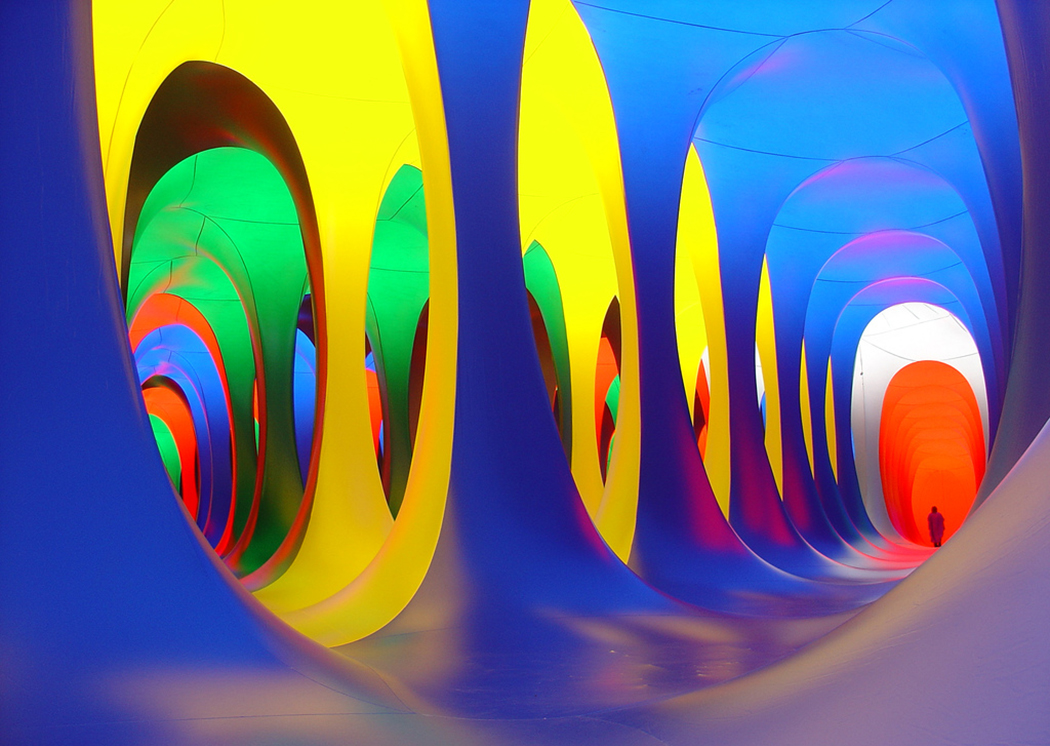
Known for his dreamlike, colorful, and interactive works, Agis was commissioned to create Dreamspace V in a park. The day after it was installed the artwork left its moorings and tragically killed two people.
Agis was put on trial for negligent manslaughter. Having witnessed the deaths, Agis was deeply and inconsolably disturbed, and vowed never to create such large works again.
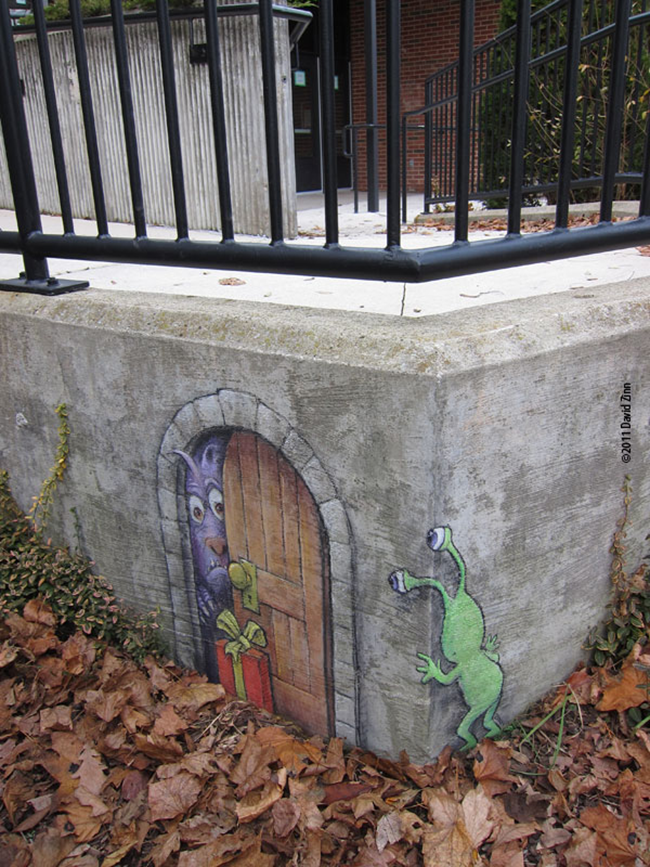
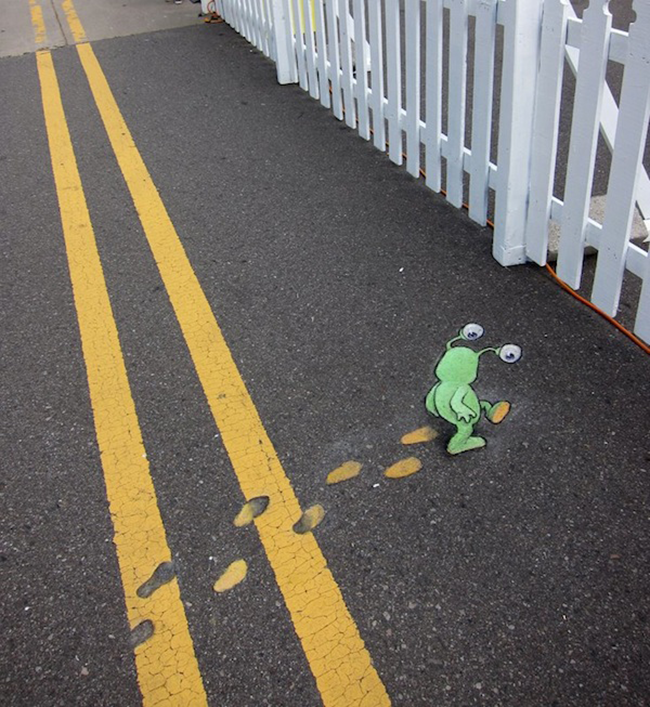
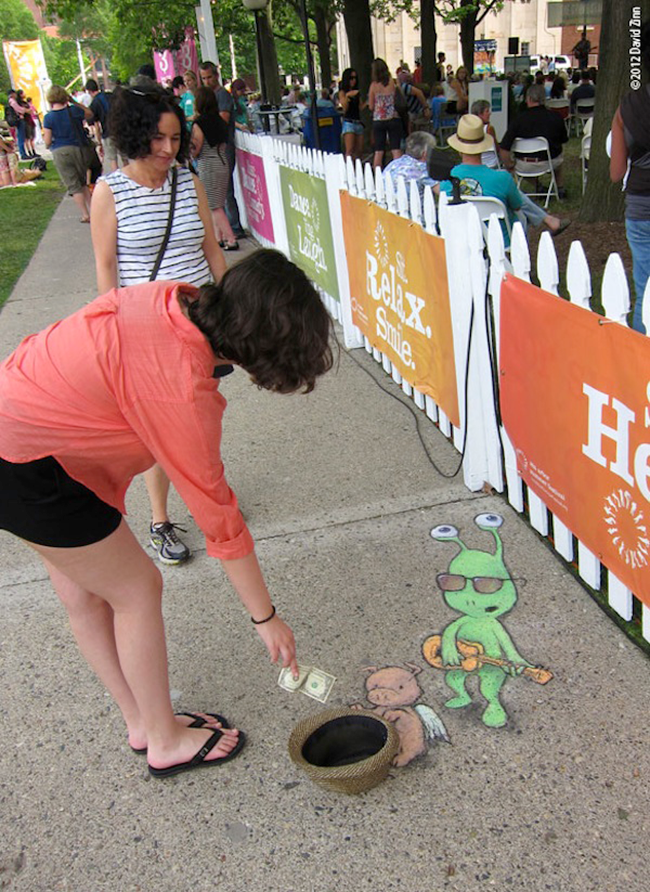
If you are from Michigan, we may have stumbled upon Sluggo, a rather alien looking green thing. Ann Arbor – Michigan is where Sluggo lives and chalk is what he is made of. Locals seems to have accepted him since he moved to the town back in 2008, some even say that he is some sort of celebrity now…
“He has built a reputation as a semi-subterranean creature, architecturally flexible staff and a soft spot for the flying pigs” says its creator, David Zinn.
Like Sluggo on Facebook, yes it is on Facebook.
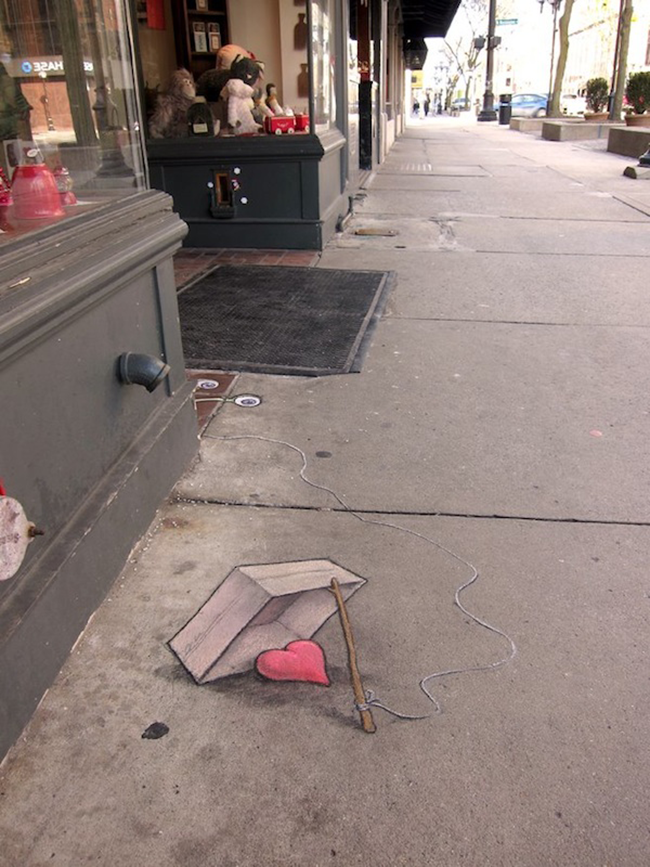
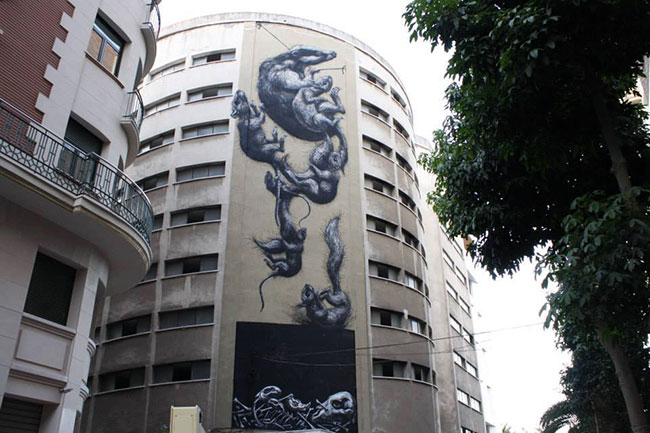
Part of our 3 street art works series you should see today. Artists featured are Ceon, Liliwen x Bom.K and ROA.
CEON
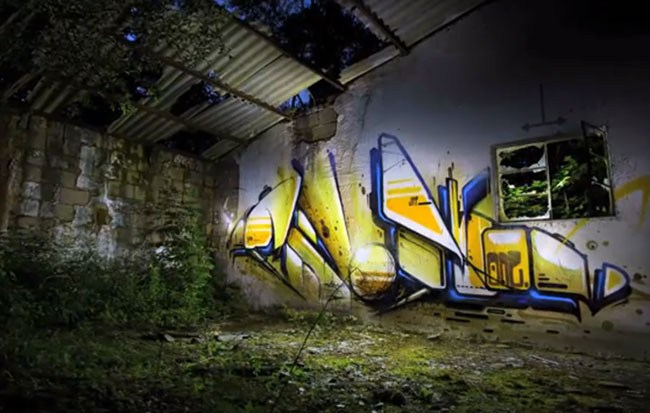
Liliwen x Bom K
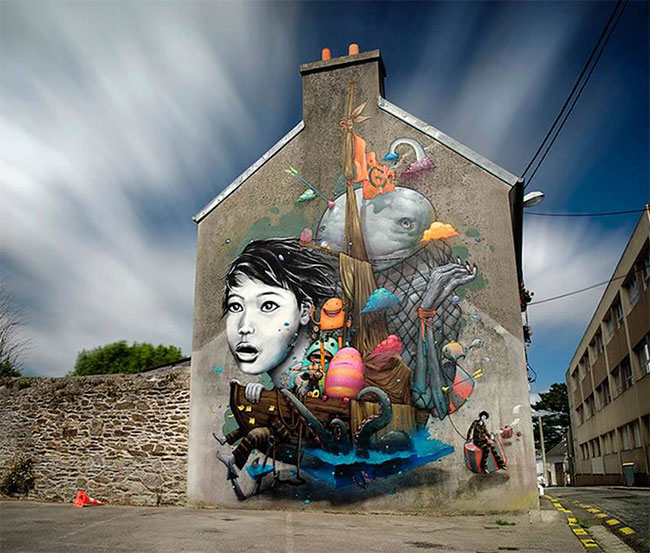
ROA – Located in Malaga (Spain)