Part of our 3 street art works series you should see today. Artists featured are Ben Slow x Guy Denning, Nychos and Bisser x Renil Emil.
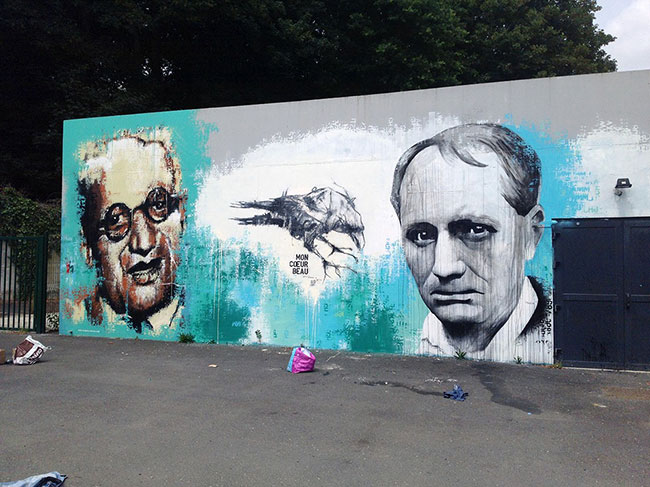
Ben Slow x Guy Denning
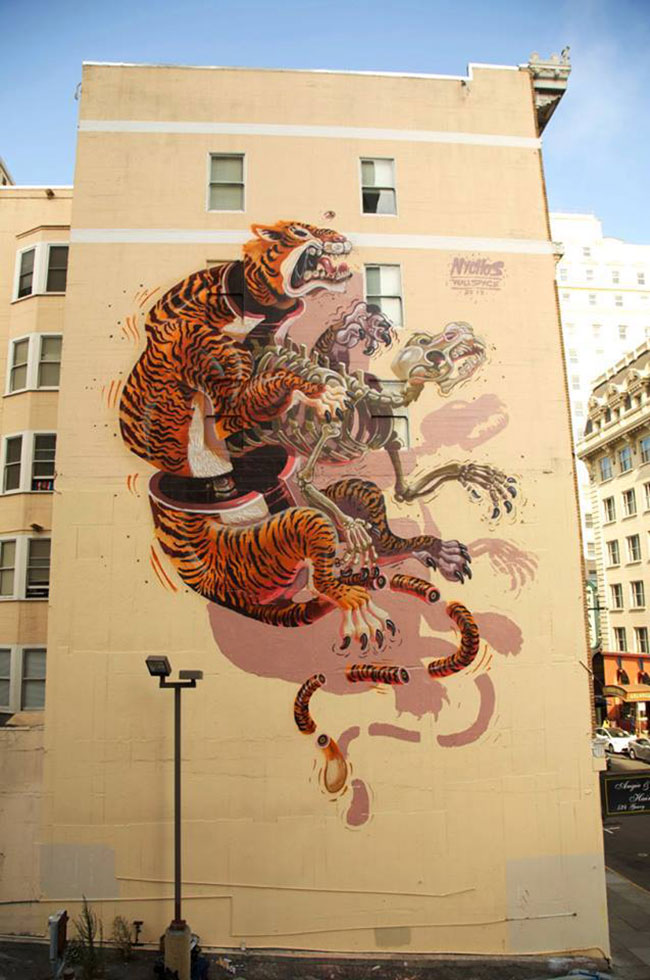
Nychos – located in San Francisco
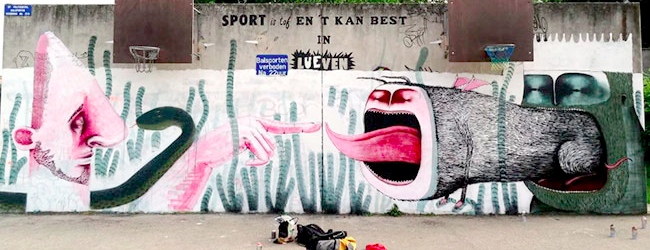
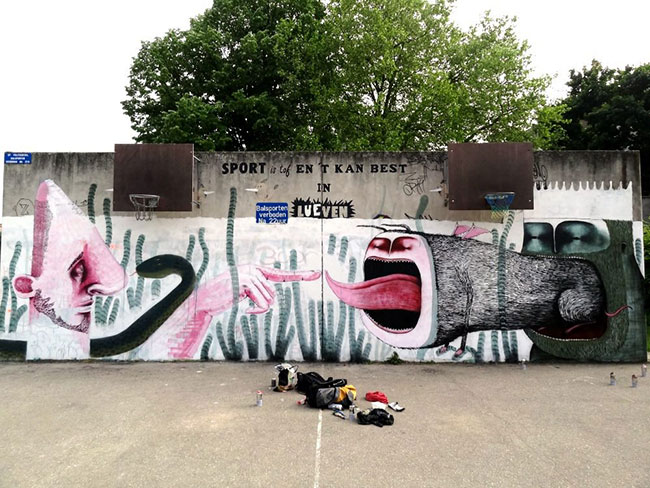
Bisser x Renil Emi – located in Leuven (Belgium)

Part of our 3 street art works series you should see today. Artists featured are Ben Slow x Guy Denning, Nychos and Bisser x Renil Emil.
Ben Slow x Guy Denning
Nychos – located in San Francisco
Bisser x Renil Emi – located in Leuven (Belgium)
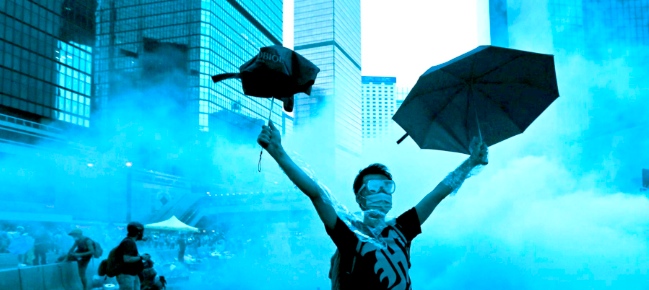
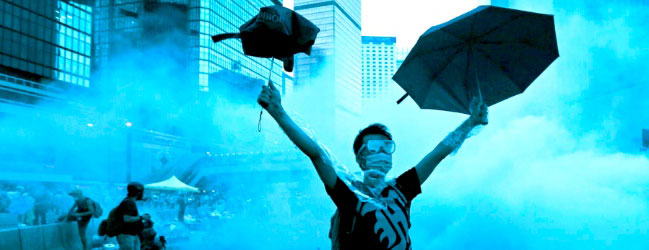
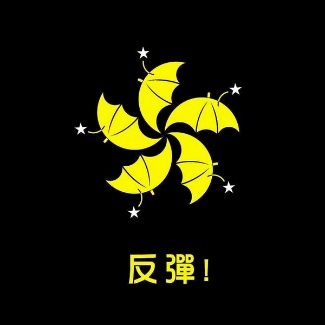
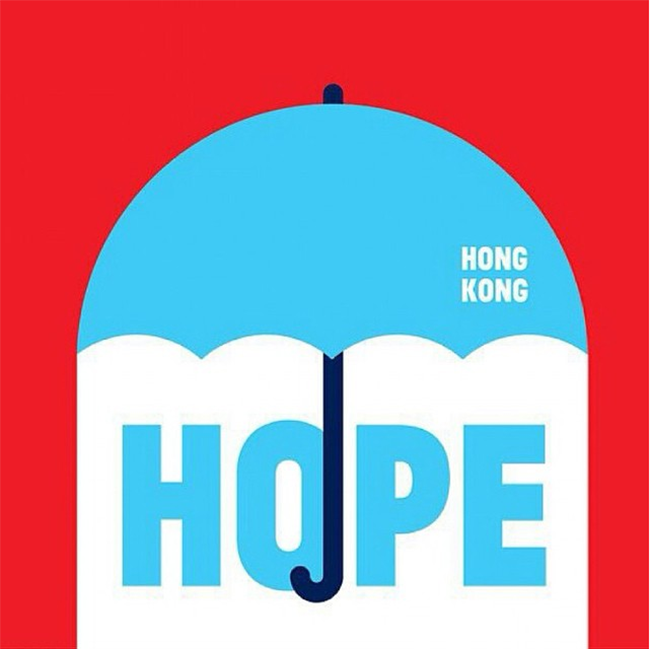
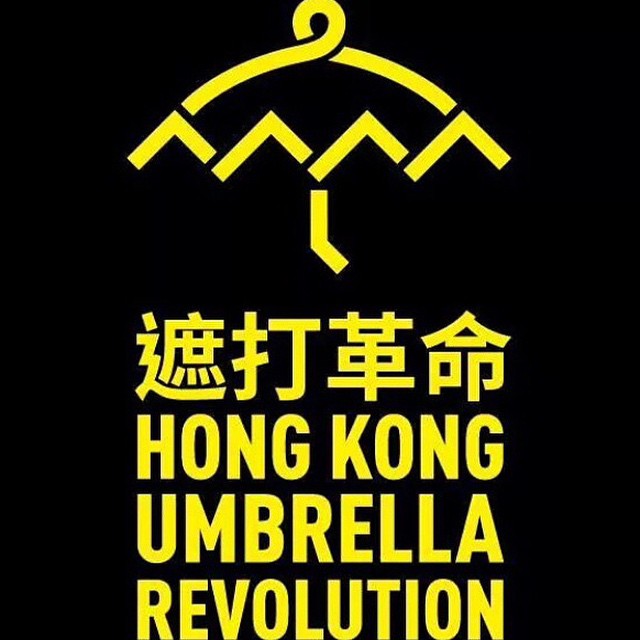
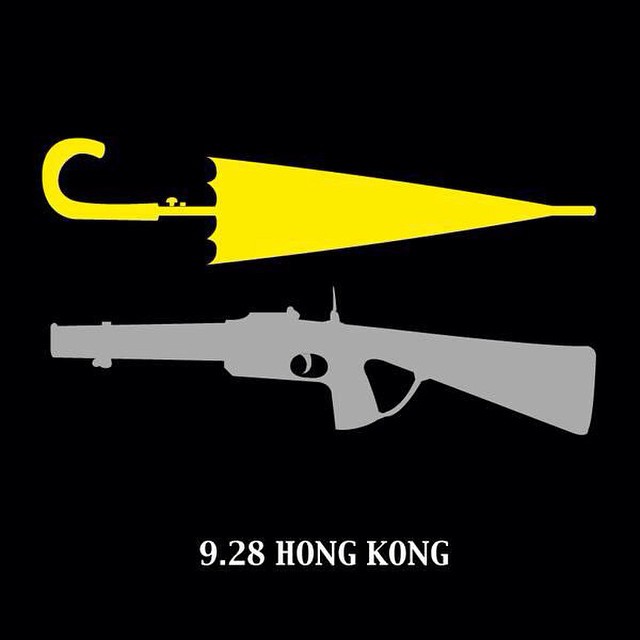
The umbrella, as a symbol of the protests that are going on in Hong Kong, resulted from police pepper spray, used against activists, who used it as a shield. In no time, this was picked up by creatives, artists or just supporters who via that object, represent their support to the cause through art and imagery.
The Umbrella Revolution was born
#OccupyCentral and its demonstrations began peacefully last week but turned more intensive at the time where we are writing this article. The uprise is about activist who are calling for democracy in Hong Kong and free elections in 2017 (See more photographs about the events on the Mashable website).
We have collected a fe examples of the art and imagery incorporating the umbrella and other symbols of resistance on social media.
Another symbol widely used is the the yellow ribbon, which protestors are using as a symbol of democracy and suffrage and we found this awesome piece below
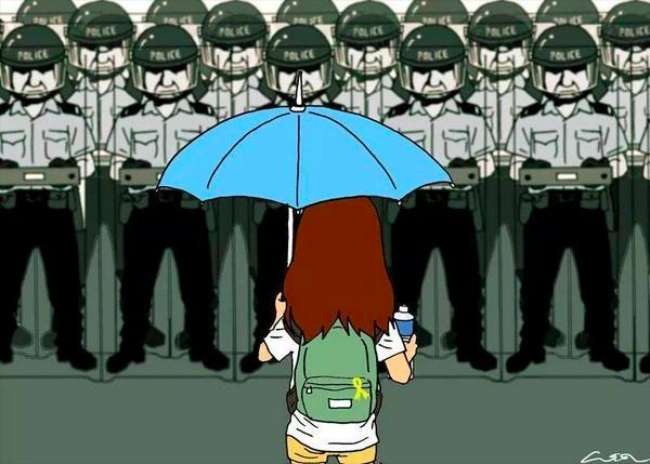
More imagery/art from protesters and artists below
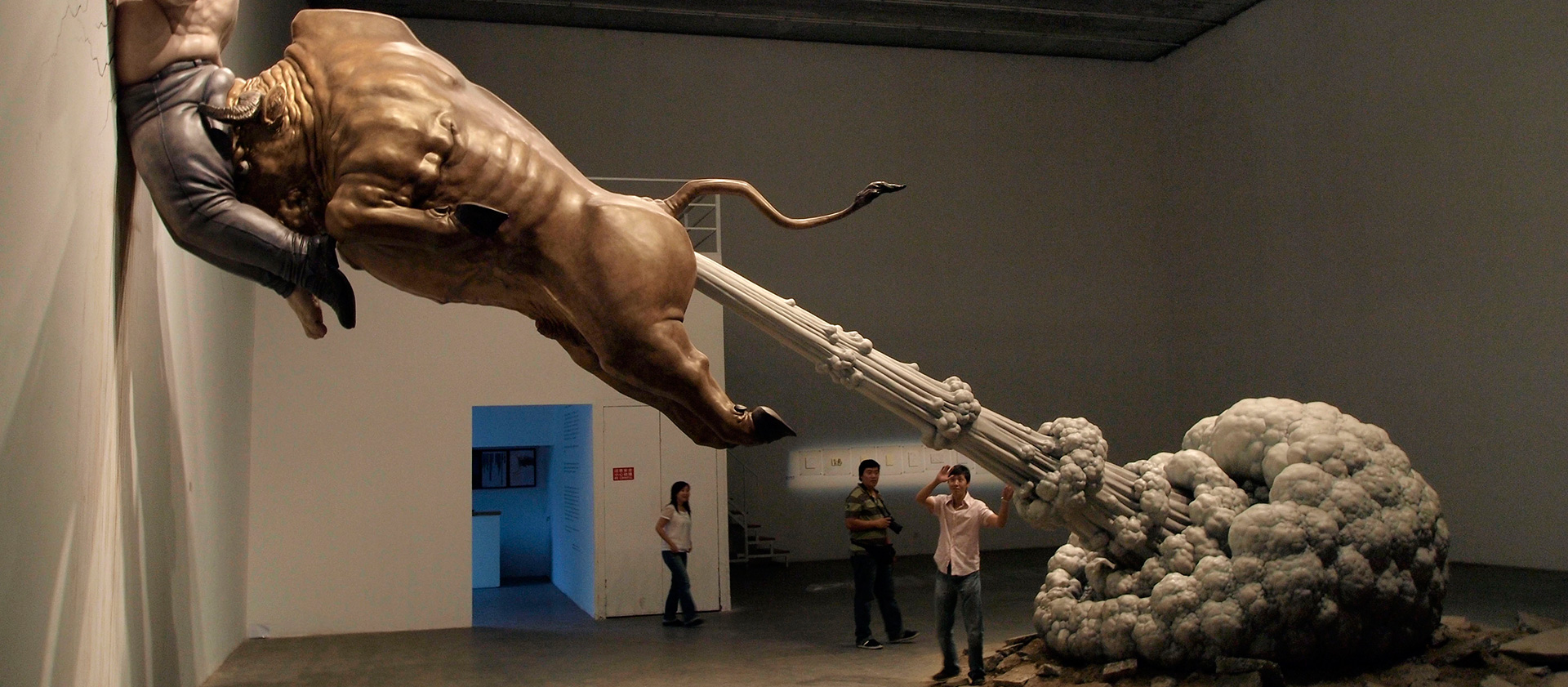
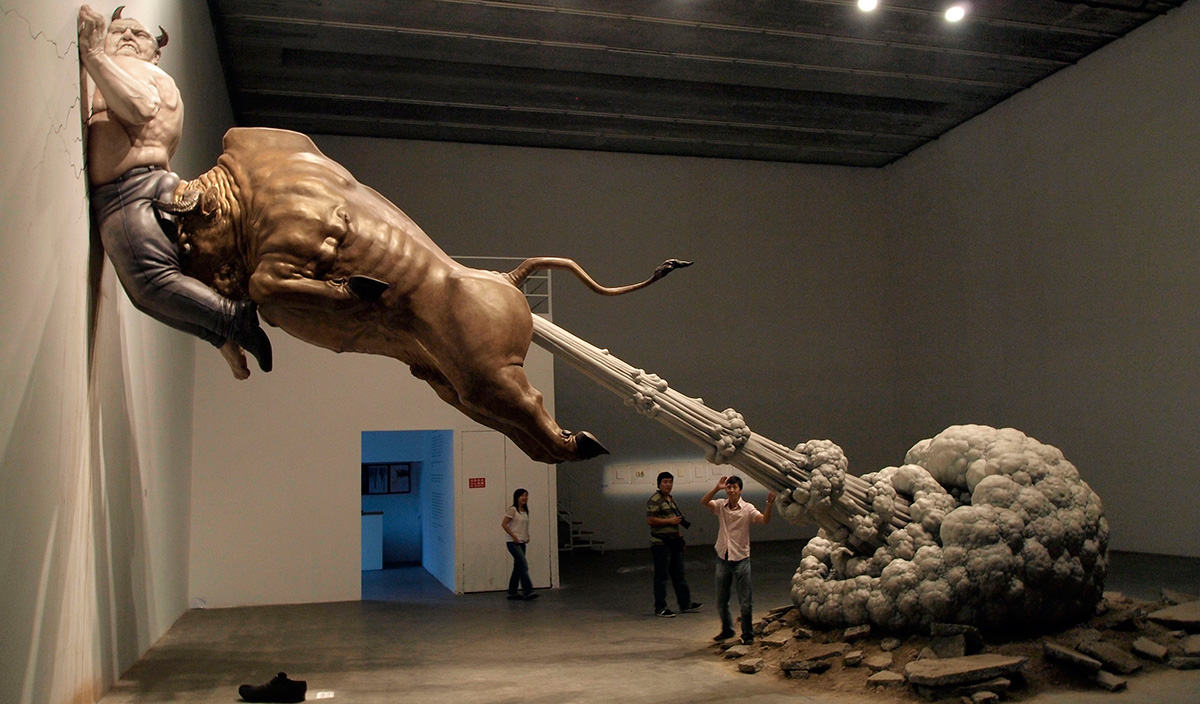
When we first noticed Chen Wenling’s “What You see Might Not Be Real” sculpture, we immediately wanted to find out more about the artist and his work. This is not the name which jumped at us but the rather amusing look of the sculpture – yes it a farting bull!
Here is what Zhu Qi says about Chen Wenglin’s sculptures
Chen Wenling’s sculptures represent the spirit of collective imagery that defines China after her entrance into consumerist society. His work uses a mythological form that encompasses the spiritual insemination that overtook a generation with materialism in the 1990s, as well as the self-awareness and post awareness era everyday spirit of Chinese after the 1990s.
Zhu Qi adds –
Two main themes are prevalent in Chen Wenling’s sculptures, the first being an expression of the extreme human condition, the latter being an expression of the spiritual imagery of a consumer society.
The “farting bull”, we will refer to the work above using this – so much more fun, is a reflexion ab about the infamous global financial crisis.
The man getting crushed by the bull is Bernard (Bernie) Madoff who is an American fraudster and a former stockbroker, investment advisor, and financier. He is the former non-executive chairman of the NASDAQ stock market, and the admitted operator of a Ponzi scheme that is considered the largest financial fraud in U.S. history.
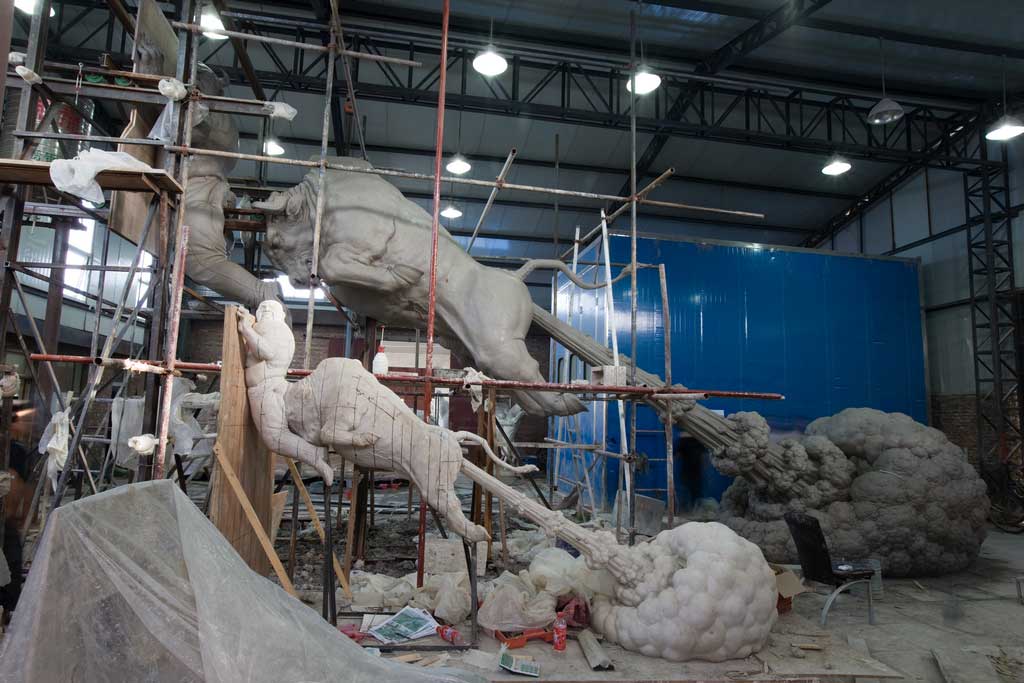
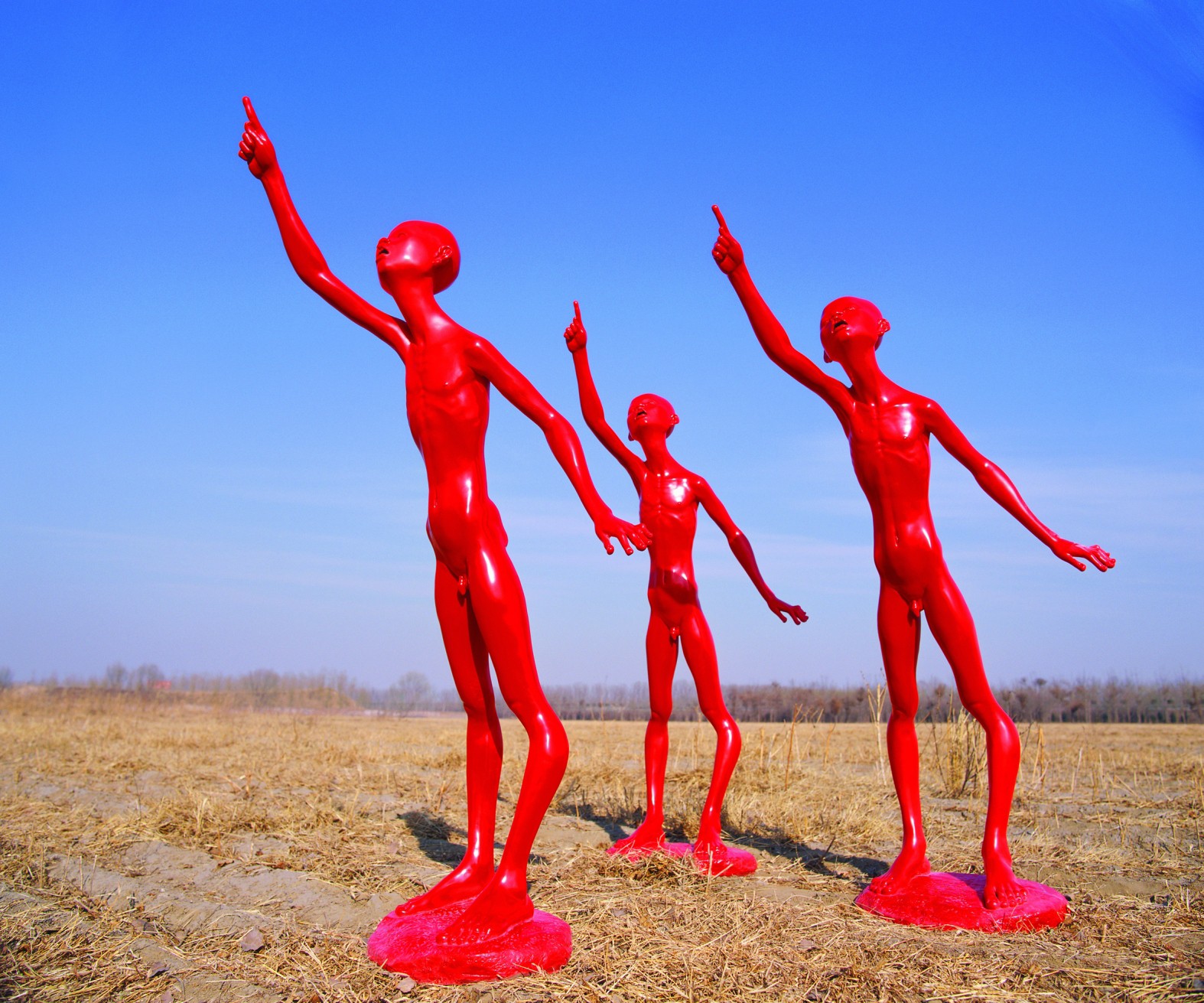
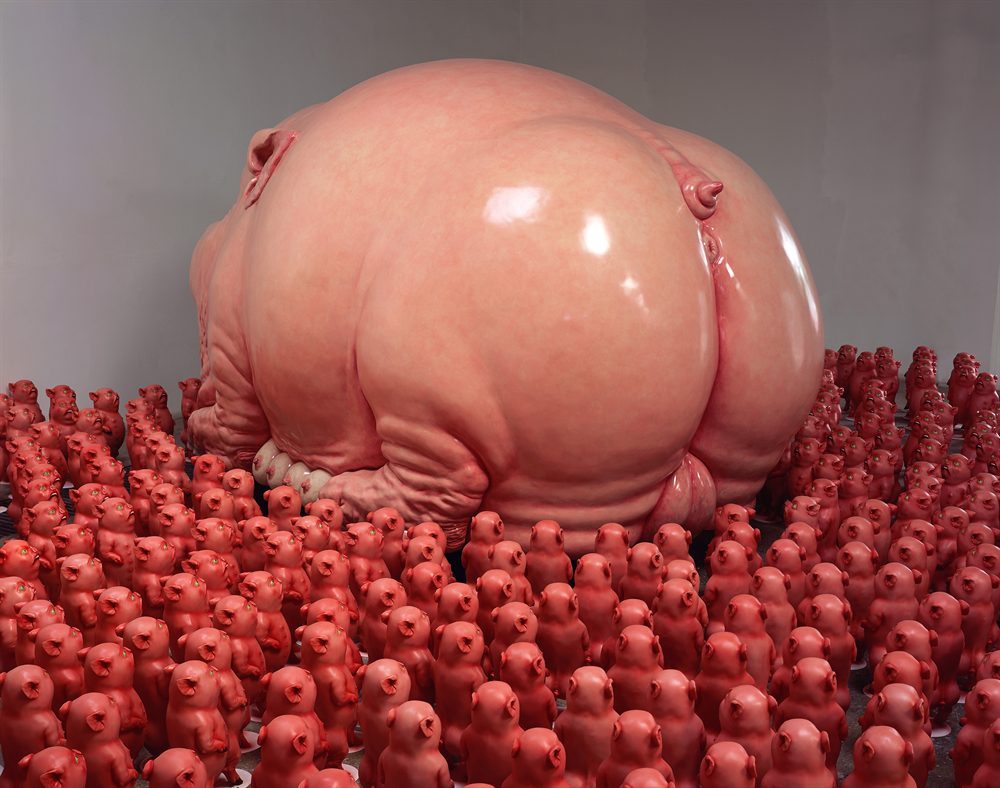
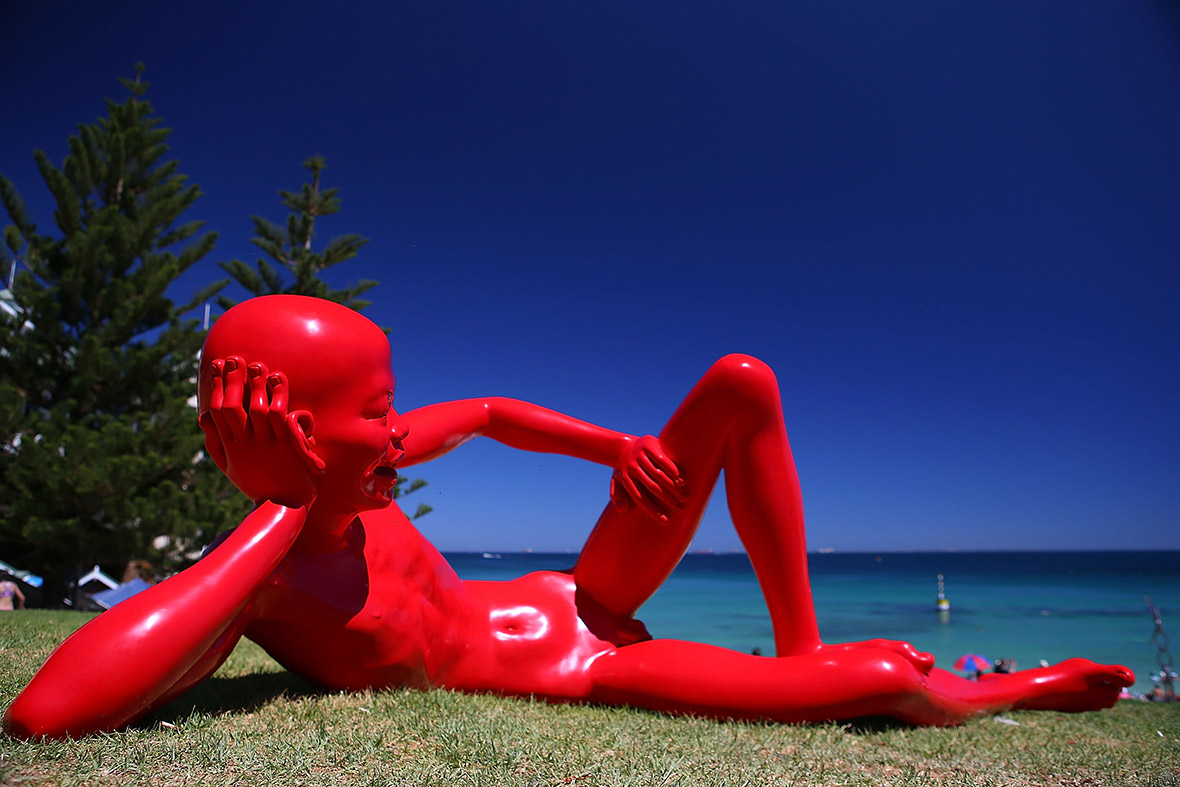
Chen Wenglin’s “farting bull” has also been used in several other sculpture works. We included below a few examples of these as well as more about the “What You see Might Not Be Real” sculpture – the piece first described above



 Artists frequently get rejections from shows and competitions; rejection is part of what being an artist is all about. Often an exhibition will have a curatorial concept and the work just simply doesn’t fit the theme, in competitions the judges are subjective and essentially select what they like. Current trends in the art world might make your work more or less desirable not forgetting the provenance of the artist themselves…
The ‘Rejected’ exhibition will be held at A-side B-side Gallery during the first two weeks of May, we are looking for artists to submit one piece of work and a rejection letter or email they have received previously.
ALL SUBMISSIONS WILL BE ACCEPTED
The idea of the exhibition is to celebrate rejection, a united force of artists getting together to valiantly display their work. Will an aesthetic cohesion emerge from the collection of work? How many pieces will be submitted? And how will we hang it?!
DEADLINE FOR SUBMISSIONS: Wednesday 25th May 5pm
Criteria:
2d work not exceeding 120 x 120 cm
Please email the following to asidebsidegallery@hotmail.com
1 low-res jpeg
A list of shows/competitions/art schools you were rejected by
A copy of one rejection letter (a scan of a letter received in the post or a copy of an email)
Private View: 3rd May, First Thursday | Exhibition will run for two weeks, last day Thursday 17th May
A-side B-side Gallery is housed within Hackney Downs Studios, 5-9 Amhurst Terrace, E82BT
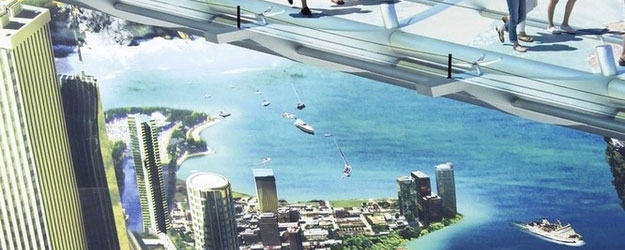
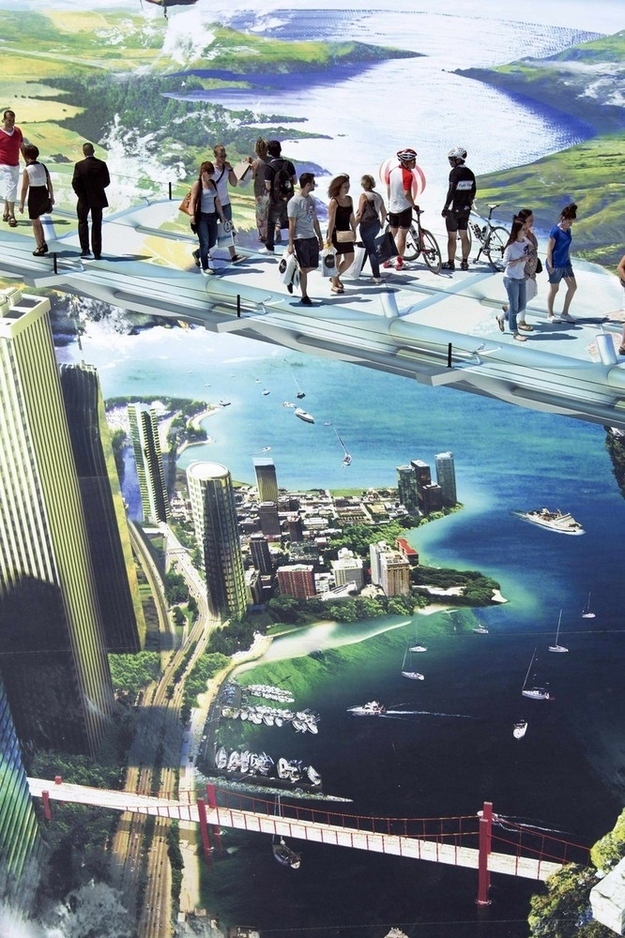
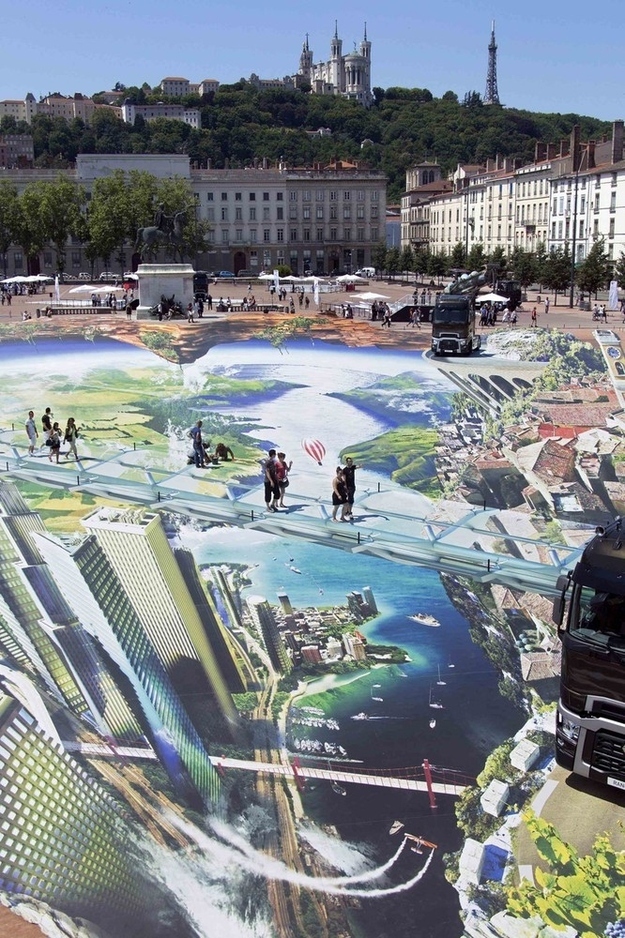
When you know that this 3D piece covers an area of over 400 square meters, you have to appreciate the effort. And when it looks as striking as this you just bow to the artist’s talent – Francois Abelanet. This piece is located in Lyon and has been commissioned to showcase the latest range of Renault trucks.
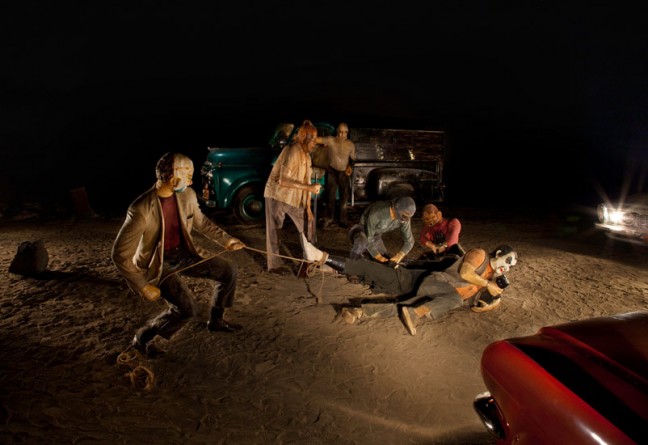
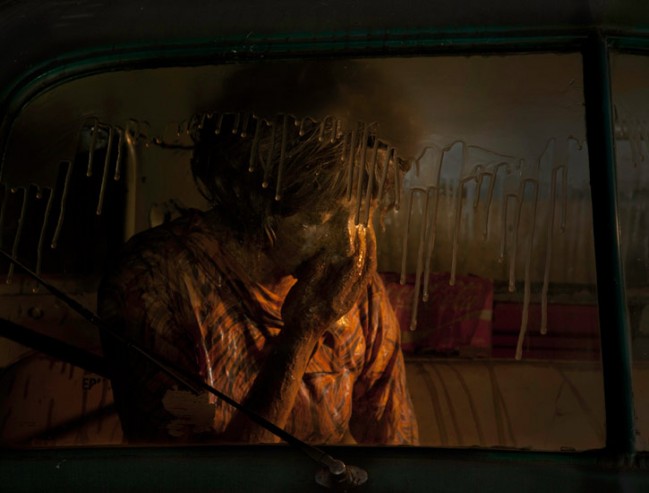
Edward Kienholz’s Five Car Stud depicts a horrific scene of racial violence during the civil rights era. Actually, the term horrific does nothing to illustrate the nauseating effects of this life-size interactive work currently on display at the Los Angeles Contemporary Museum of Art.
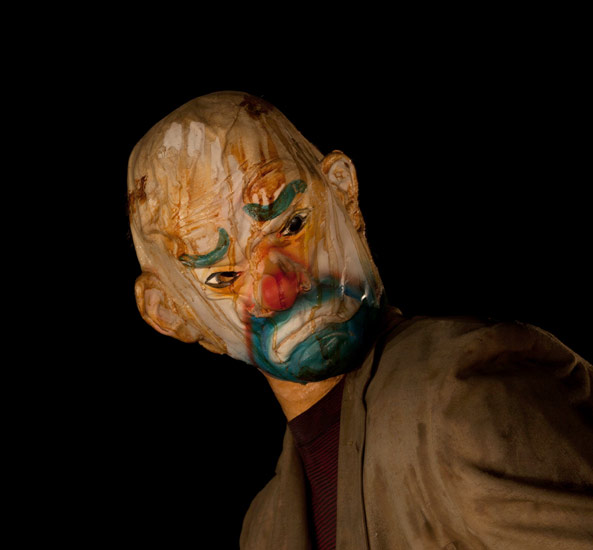
The piece is set up in a darkened room with a sandy dirt floor. Five cars form a circle, illuminating the focal point of the work with their headlights. Life-sized, white male figures stand next to their cars menacingly wielding batons and other weapons. One man holds a shotgun at his side. Clown-like masks and sagging skin cover their faces. The eyes are hollow and insipid, yet smirk at inflicting pain upon another human.
The sense of entitlement emanates not only from their facial expressions, but also from the positions of the bodies and the looming presence of each of these men. Garbed in jeans with the ruddy faces of moonshine alcoholics, they abuse and castrate another man, lassoing his foot like cattle, simply due to the color of his skin.
The victim lies in the center of the scene flanked by two men gripping his arms. Instead of casting an entire figure, Kienholz installs a rectangular trough in place of his torso. He filled the trough with water and six wooden alphabet blocks, two of the same letter, floating around, and leaving the viewer to piece together their meaning.
Kienholz spent three years working on this project between 1969 and 1972 during the height of civil rights era when activists had reached some victories for desegregation. However, through his depiction viewers realize that prejudice and unfounded bias continue to infiltrate society.
Kienholz is best known for using found objects to create jarring sculptures that comment on social issues within the United States. He created this work shortly before he relocated to Germany where it first appeared publicly. A private collector acquired the work and for 40 years it remained in storage. Los Angeles County Museum of Art is the first to display the work in the United States.
I do not exaggerate the gravity of this work. Guards stand at the doorway advising parents against allowing their children to witness it.
The pictures cannot convey the deeply unsettling feeling evoked by the piece. Perhaps it is the blatant intolerance, the flagrant violence, or simply the knowledge that things have not changed enough. Whatever the reason, whatever the effects, Kienholz has created a penetrating work that shocks viewers with its content but awes with the undeniable skill and ingenuity it took to mastermind.
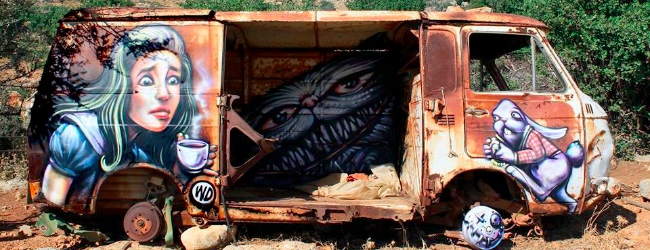
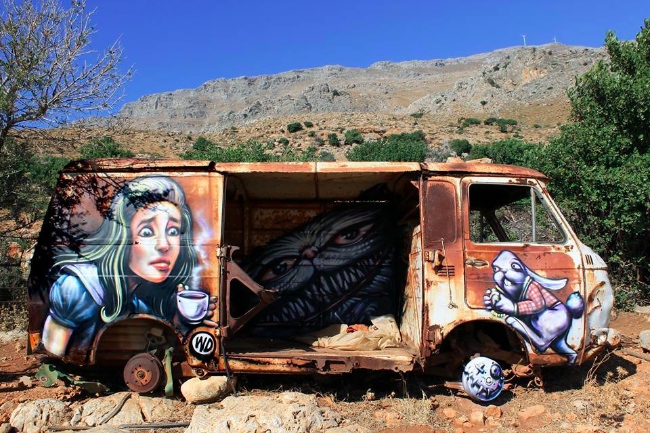
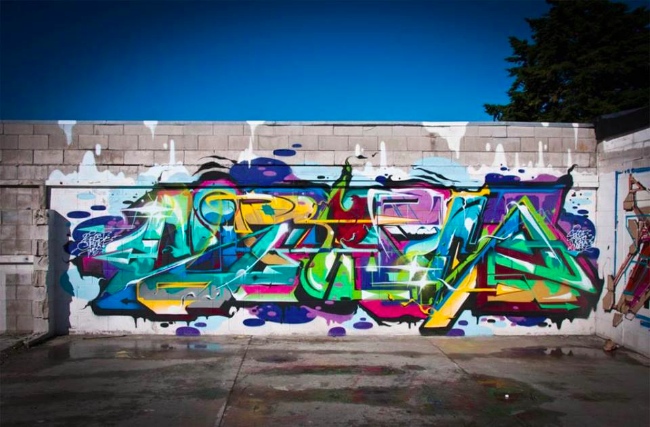
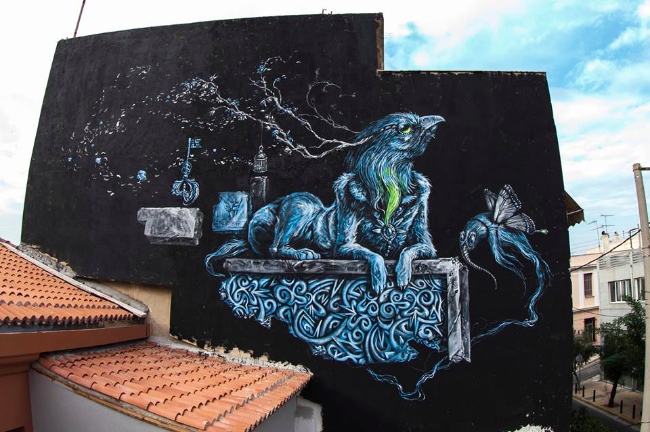
Part of our 3 street art works series you should see today: WD, Berst & Kaser
WD – located in Crete
Berst
Kraser – located in Athens
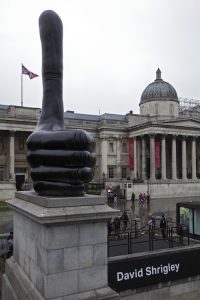
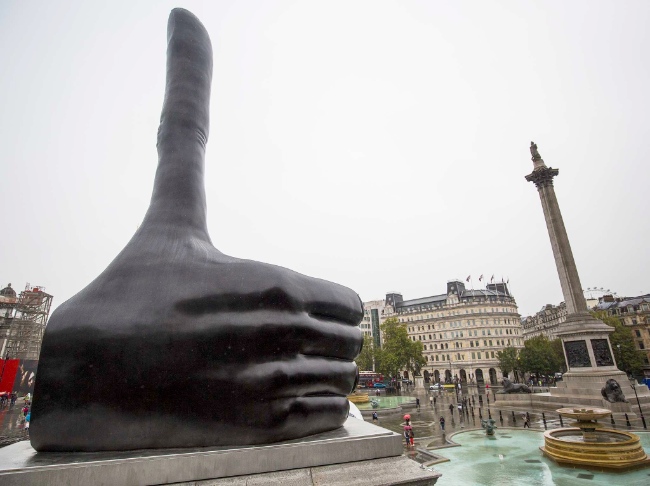
If you have been near Trafalgar Square in London, you must have noticed a 7m high sculpture looking like a thumbs up.
This particular pedestal on the square is called the Fourth Plinth and the current artist showing their works is David Shrigley.
So what’s next for the Fourth Plinth?
London’s National Gallery has revealed the five shortlisted proposals for the 2018 and 2020 Fourth Plinth commissions by artists Huma Bhabha, Damián Ortega, Heather Phillipson, Michael Rakowitz, and Raqs Media Collective.
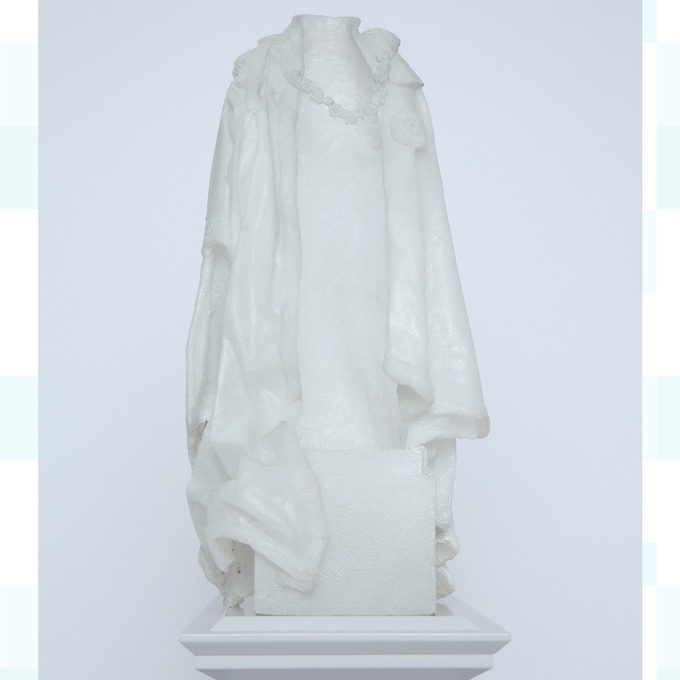
The shortlisted proposals, which are currently on show in the National Gallery’s Annenberg Court until 26 March 2017, include an empty white robe, a recreation of a sculpture destroyed by ISIS, and a scoop of parasite-covered ice cream.
Not long now to find out which two works will be selected to finally stand on the plinth in 2018 and 2020.
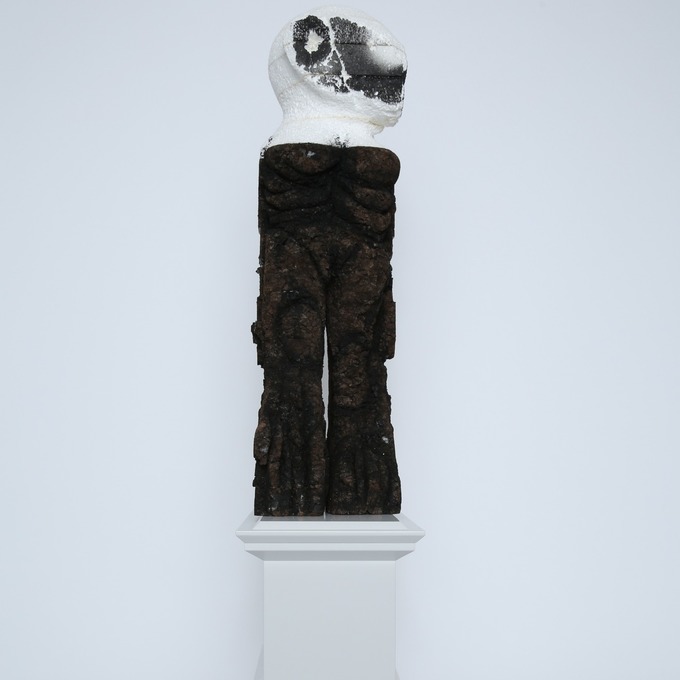
“Untitled” by Huma Bhabha
– an imposing figure, the scale reflecting a modern comic sci-fi movie.
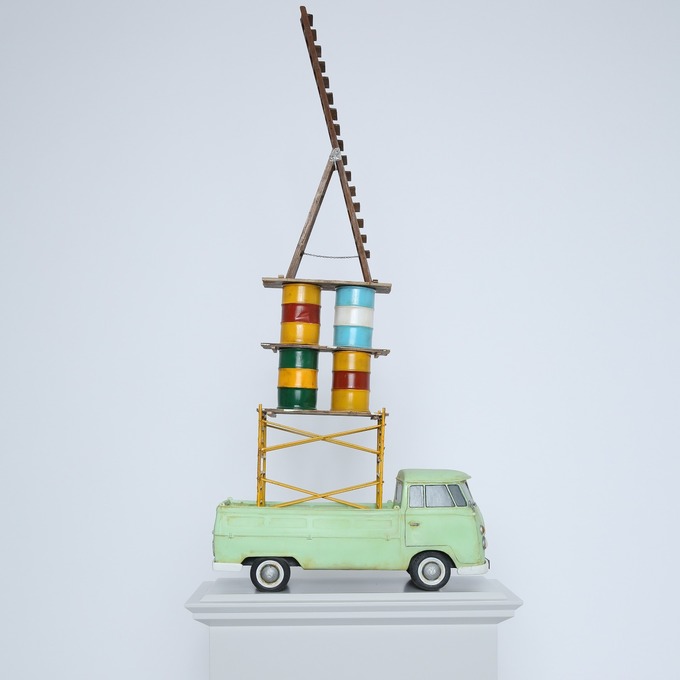
“High Way” by Damián Ortega
– a playful and precarious construction of a truck, oil cans, scaffold and a ladder.
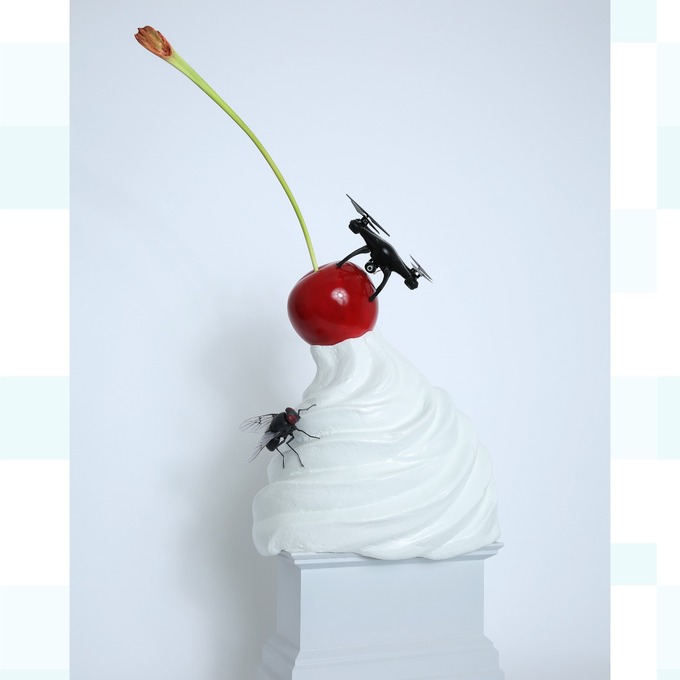
“THE END” by Heather Phillipson
– explores the extremes of shared experience, from commemorations and celebrations to mass protests, all while being observed by a drone’s camera.
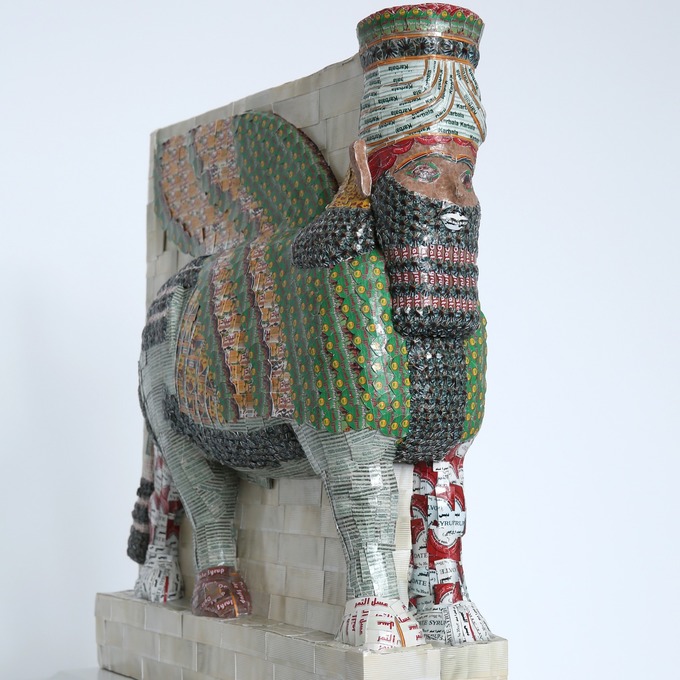
“The Invisible Enemy Should Not Exist” by Michael Rakowitz
– a recreation of the Lamassu, a winged bull and protective deity, which was destroyed by ISIS in 2015.
“The Emperor’s Old Clothes” by Raqs Media Collective
– explores how power can be both present and absent in sculpture.
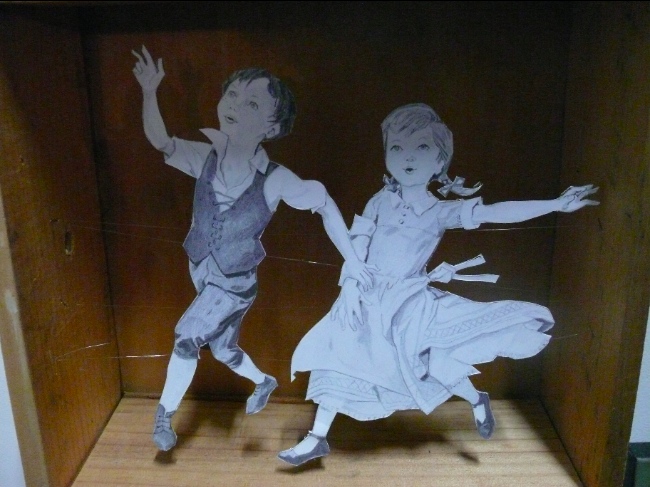
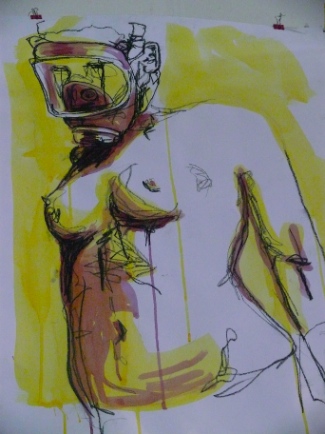
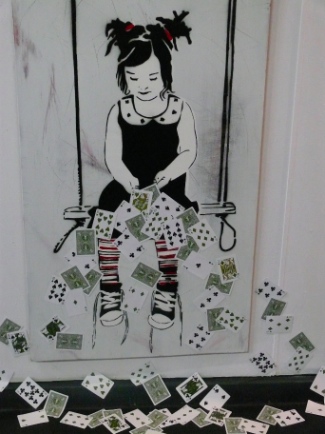
A all female paste up and stencil show:
for a show that features several artists, the layout of the works in the space felt as though it was seven minds working as one, with each artist using different tools and techniques, we found that all the themes were interlinked.
However, there were definitely pieces that stood out from the rest, this included artists such as Kaffe-eine and Precious little. The space was welcoming and well curated and we will definitely be keeping an eye out for future shows.
Enjoy the pics below and make sure to check out the full photoset here:
http://www.flickr.com/photos/chasingghosts/sets/72157626821556534

Being myself an i-phone owner, I thought about getting myself a case many times but have always postponed it, until now. I smashed my phone accidentally on the floor (because I fell down the stairs for those wanting to know) last week and wished I had one of those cases, damn it. Continue reading Mika Ninagawa iPad Case