3,074 paint chips in 36 colours, a few glue guns and a bit of elbow grease and you get that well-know face.
Tutorial: How to transfer paint into a deodorant can (spray paint)
Should you want to use deodorant cans to spray, here is how.
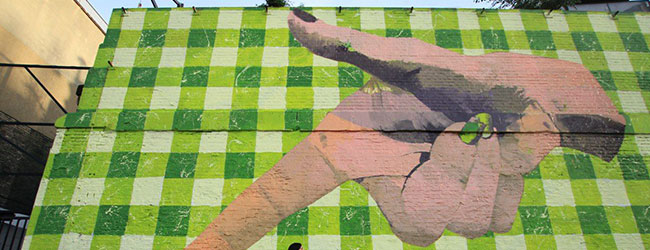
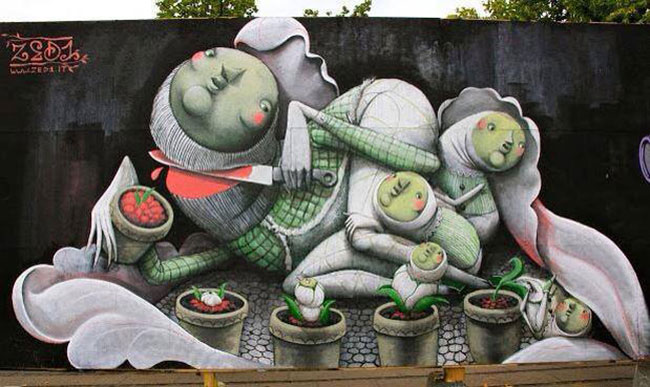
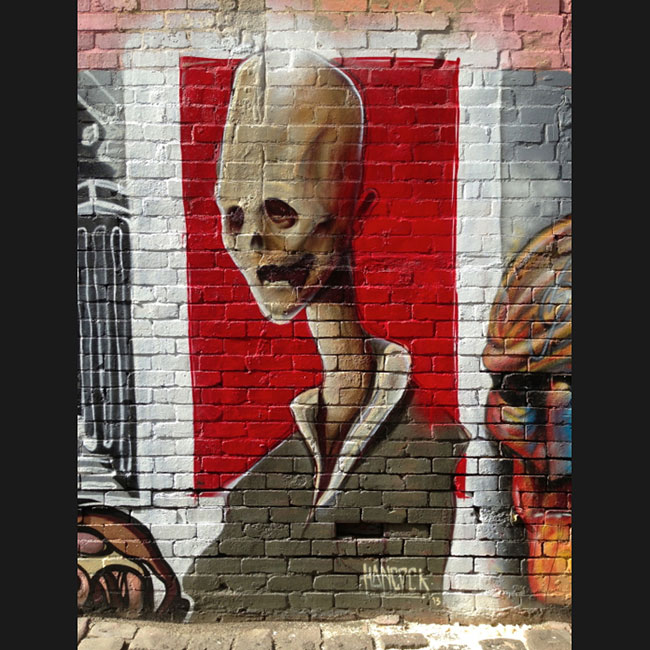
Martin Ron, Zed1 and Hancock street art
Part of our 3 street art works series you should see today. Martin Ron, Zed1 and Hancock
Martin Ron – located in East London (England)
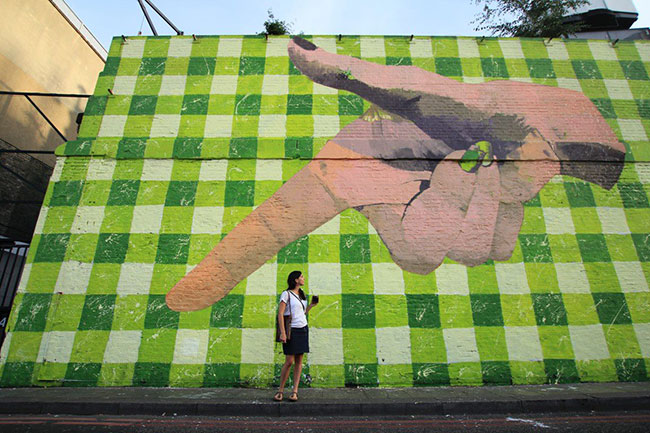
Zed1 – located in Amsterdam (Netherlands)
Hancock – located in Melbourne (Australia)
Artists pick from the 2012 London art fair – part 3
Here is the third part of our artists pick from the 2012 London art fair | Read part 1 | Read part 2
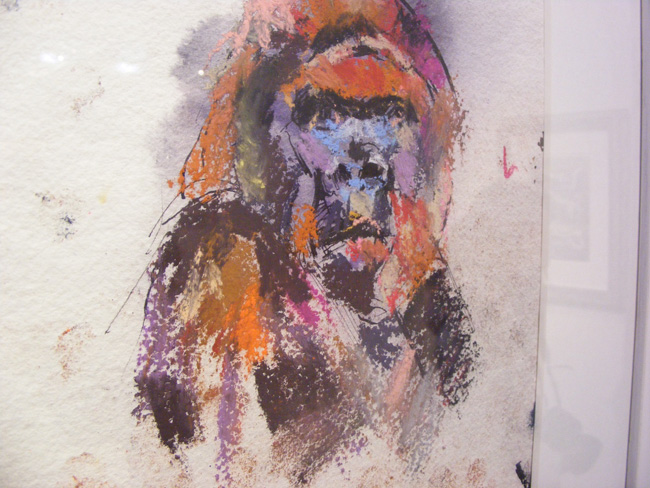
Paul Richards via Connaught Brown
Pastel on paper
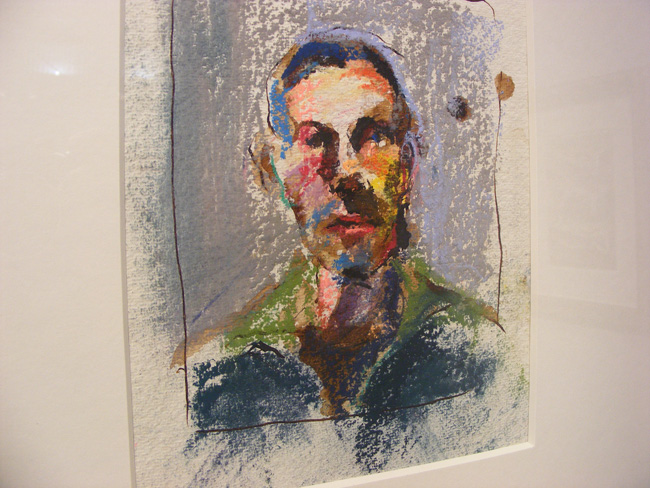
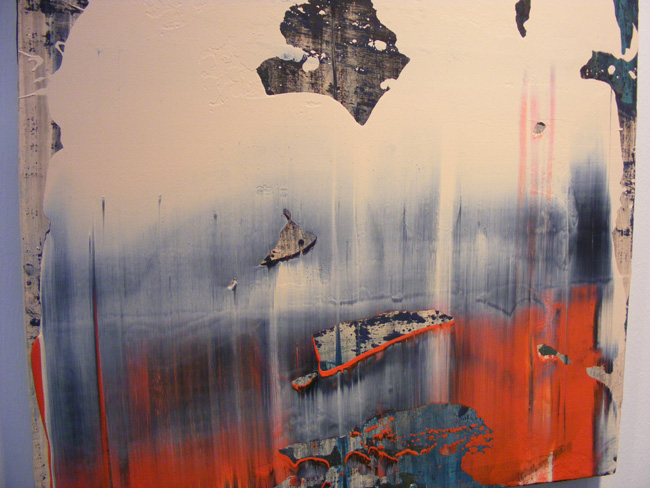
Elfyn Lewis via Beaux Arts London
Acrylic on MDF

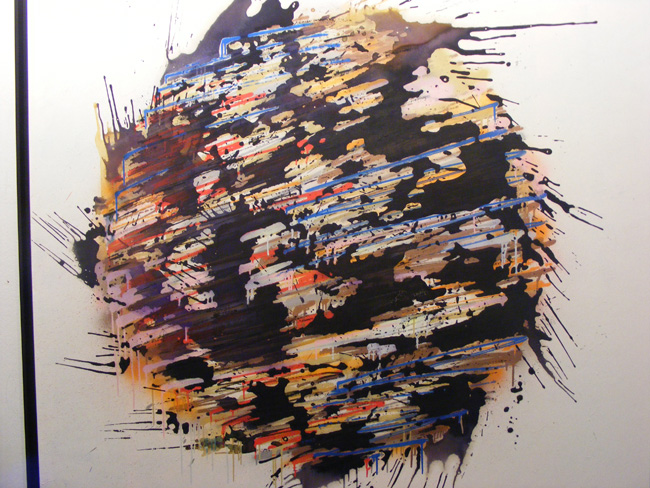
Tanc via The French Art Studios
Spray paint and ink on canvas
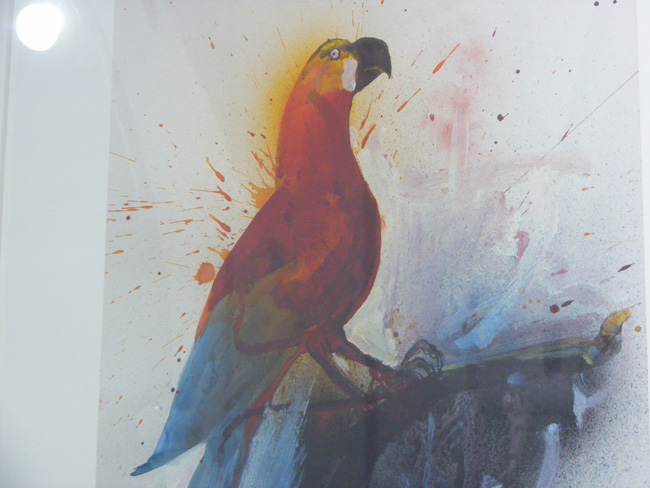
Ralph Steadman via Jealous gallery
Giclee print with debossed border on Somerset paper
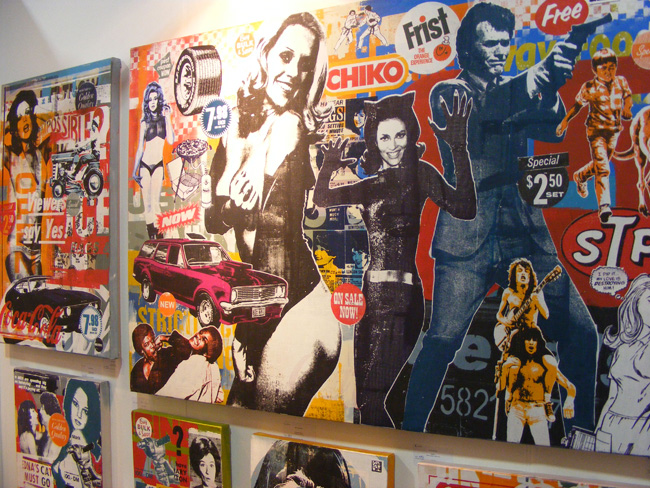
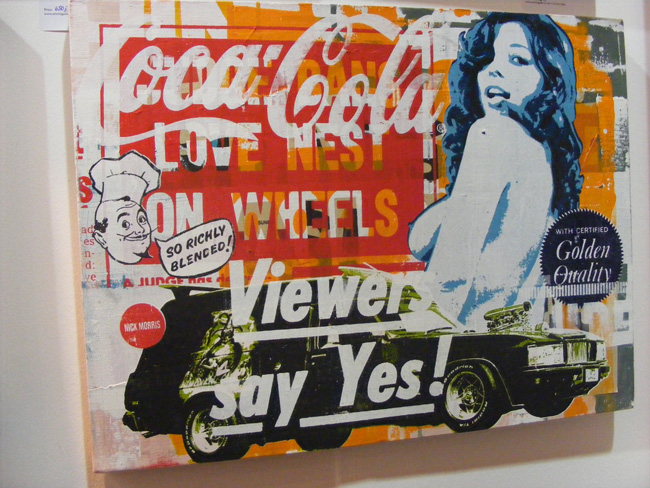
Nick Morris via Arteria
Screenprint
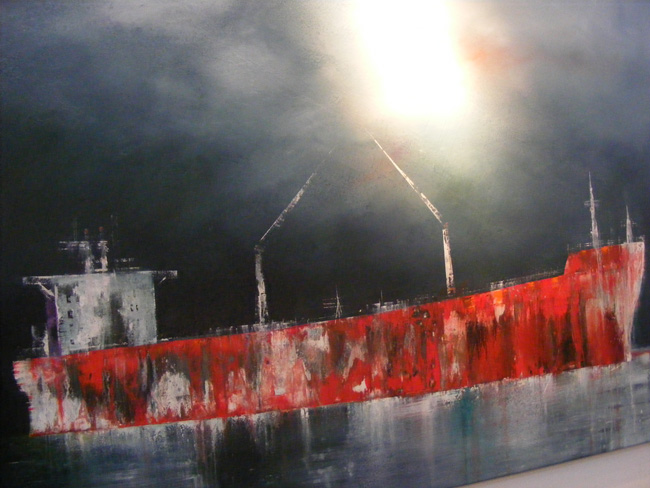
Anne Penmansweet via Stephanie Hoppen gallery
Oil on canvas
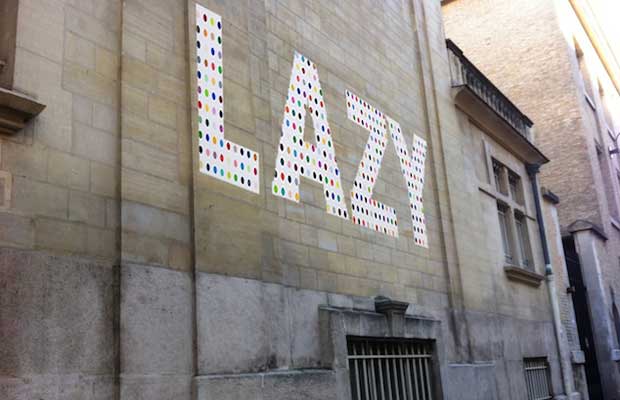
Look Damien Hirst, I bet you have not done that
Damien Hirst must be used to getting all sort of good and bad criticism by now and although he has got simultaneous show all over the world right now and therefore is regarded as a major player in modern art, I can’t help to think that his latest spots series does not deserve all the fuss currently going about it.
What best to describe how I feel that this street art piece “lazy”. No need to say more.
Photo by Laurence Billiet
Seen on Vandalog

Confronted with Castration: Edward Kienholz’s "Five Car Stud"
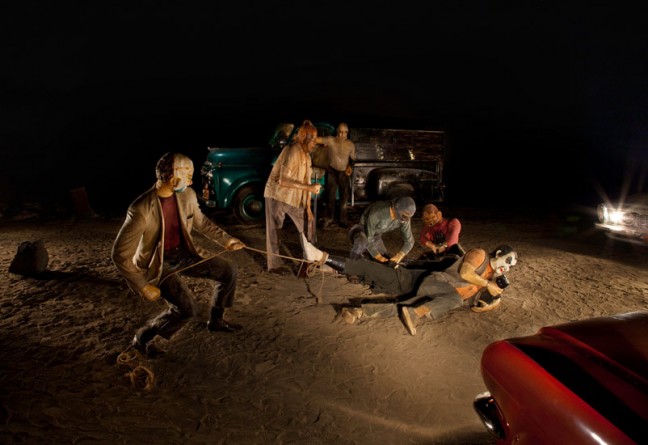
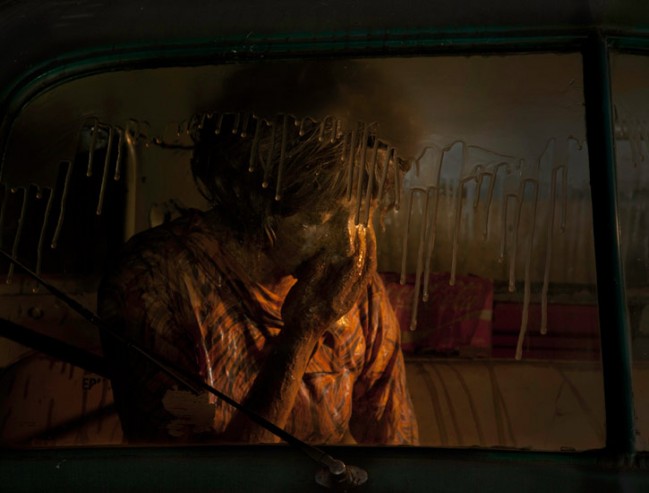
Edward Kienholz’s Five Car Stud depicts a horrific scene of racial violence during the civil rights era. Actually, the term horrific does nothing to illustrate the nauseating effects of this life-size interactive work currently on display at the Los Angeles Contemporary Museum of Art.
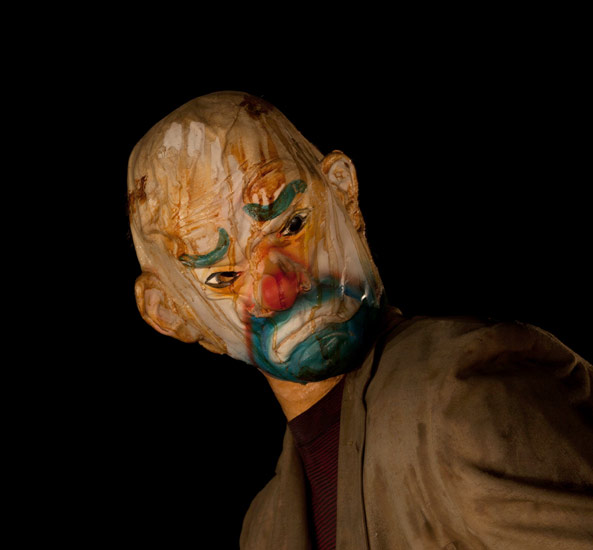
The piece is set up in a darkened room with a sandy dirt floor. Five cars form a circle, illuminating the focal point of the work with their headlights. Life-sized, white male figures stand next to their cars menacingly wielding batons and other weapons. One man holds a shotgun at his side. Clown-like masks and sagging skin cover their faces. The eyes are hollow and insipid, yet smirk at inflicting pain upon another human.
The sense of entitlement emanates not only from their facial expressions, but also from the positions of the bodies and the looming presence of each of these men. Garbed in jeans with the ruddy faces of moonshine alcoholics, they abuse and castrate another man, lassoing his foot like cattle, simply due to the color of his skin.
The victim lies in the center of the scene flanked by two men gripping his arms. Instead of casting an entire figure, Kienholz installs a rectangular trough in place of his torso. He filled the trough with water and six wooden alphabet blocks, two of the same letter, floating around, and leaving the viewer to piece together their meaning.
Kienholz spent three years working on this project between 1969 and 1972 during the height of civil rights era when activists had reached some victories for desegregation. However, through his depiction viewers realize that prejudice and unfounded bias continue to infiltrate society.
Kienholz is best known for using found objects to create jarring sculptures that comment on social issues within the United States. He created this work shortly before he relocated to Germany where it first appeared publicly. A private collector acquired the work and for 40 years it remained in storage. Los Angeles County Museum of Art is the first to display the work in the United States.
I do not exaggerate the gravity of this work. Guards stand at the doorway advising parents against allowing their children to witness it.
The pictures cannot convey the deeply unsettling feeling evoked by the piece. Perhaps it is the blatant intolerance, the flagrant violence, or simply the knowledge that things have not changed enough. Whatever the reason, whatever the effects, Kienholz has created a penetrating work that shocks viewers with its content but awes with the undeniable skill and ingenuity it took to mastermind.

TRXTR new show "Lucked Up" at Get Up gallery
 UK based artist TRXTR has a new show but this time in the United States and precisely in Las Vegas. The artist’s work touches on social and moral issues. TRXTR is true ti his style where photography is cleverly mixed with painting through a bunch of techniques
It is difficult not to feel anything when looking at the artist’s work – his work is often disturbing or disconcerting which makes atmospheres transpire to which the viewers ultimately react to it.
From the gallery “Concerns about exploitation, globalization and corruption appear over and over again, but the tone is ambivalent. He is not preaching to us, but reproducing some of the sickly sweet images of commercialism in a way that it is genuinely hard to tell if he is celebrating them or railing against them.”
From the artist “The luck of being born pretty, rich, handsome, gifted and in the majority is real luck in this world. For the rest there is Vegas and its clones where in the nano second before you’re screwed you can imagine what it’s like to be in the one percent.”
There is a twist at the opening night, TRXTR tells us about it – all purchases made inside of Get Up Gallery will be eligible for the “Fifty Buck Chuck” promotion. Each purchaser will get a chance to roll a dice. The number that is rolled will be multiplied by $50, and the discount will be applied to the piece purchased. This opportunity to save up to $300 will only be available on the evening of the opening.
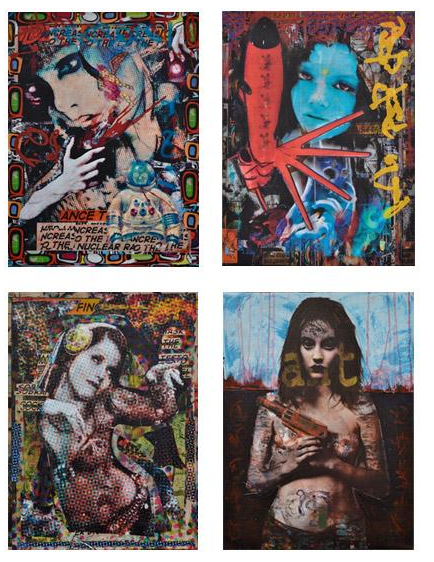
‘LUCKED UP’ the exceptional Trxtr solo show at Get Up Gallery in Vagas opening on 7th September 2012 from 7:00pm-11:00pm
When: 7th – 29th September.
Where: Get Up Gallery, 520 Fremont Street , Las Vegas , NV 89101 .
TRXTR Official Website
www.trxtr.com
Katrina Rupit new show at Westbank gallery
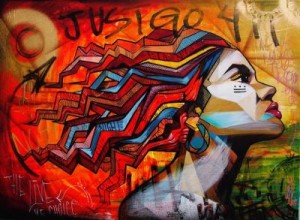
Over the last couple of years Kathrina has lived and worked in Dublin, Ireland and has become a vital fixture of the vibrant street art scene there.
Kathrina uses an array of mediums to achieve an extraordinary effect – From spray paints, newspaper collage and urban markers to assemblage of cardboard, door parts and even Popsicle sticks. She is constantly challenging the means of urban representation, reinventing the genre in a feminist context.
Her work is deeply tied to her Mexican roots, addressing social issues such as racial discrimination and embracing a culture without the curse of violence and gangs.
She is the voice of a new generation, producing artwork that is bold and seductive. Like Frida before her, she is conscious of the innate power of her gender. She excites the male gaze with her portraits being alive with a raw sexual energy. They are alluring and even provocative.
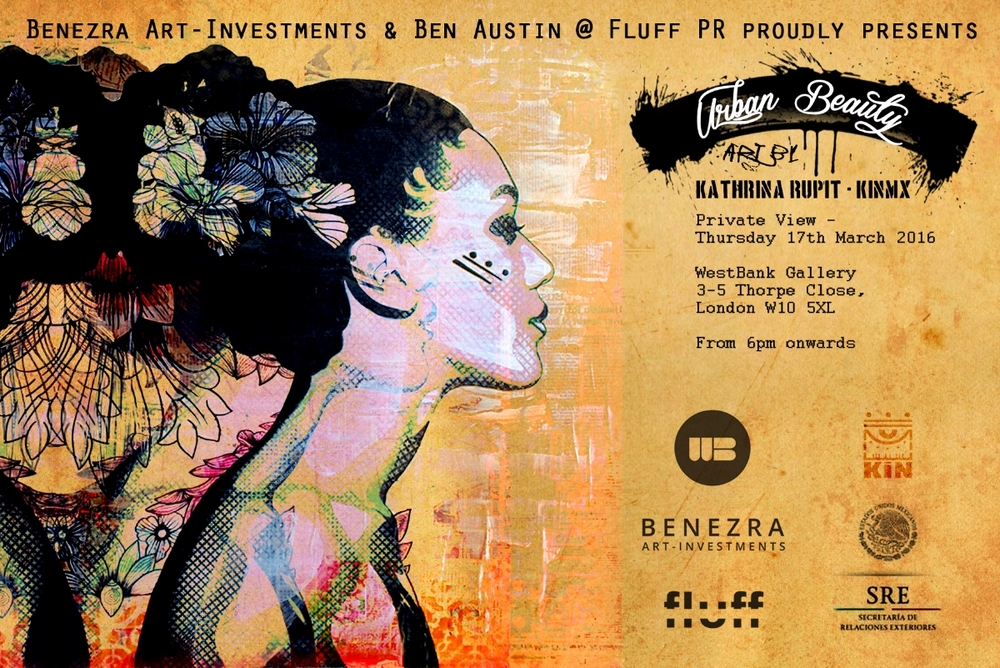
Kathrina’s technical ability and artistic representational skill are first rate, creating both an awareness of environmental issues and tapping into the Mexican concept of the cycle of life, seen in the celebration of ‘Dia de los Muertos’.
The physicality of life in Kathrina’s work is seen in her numerous performances and live events, which is a crucial aspect of her practice. She wants the work to be alive, she wants the audience to see the process in action and feel the creative energy as it happens.
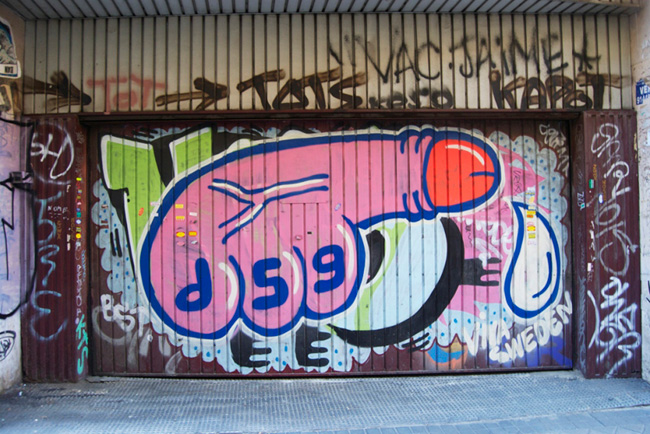
Street art from Madrid
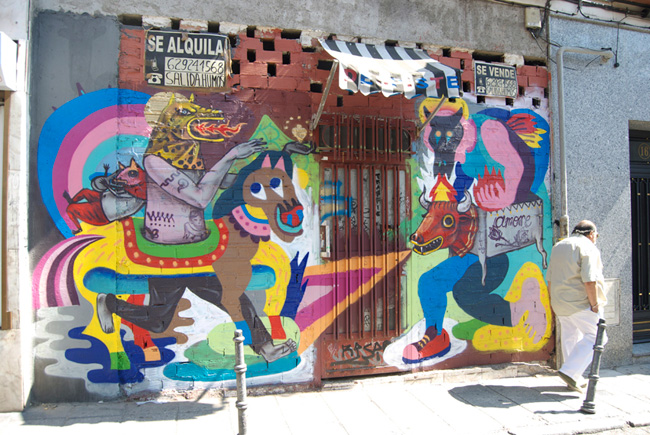
Miss Kaliansky kindly sent these awesome street art below spotted in the streets of Madrid
Featured artist: Saner | Eltono | Nano4814 | Remed | Mart1

Remed, Mart1
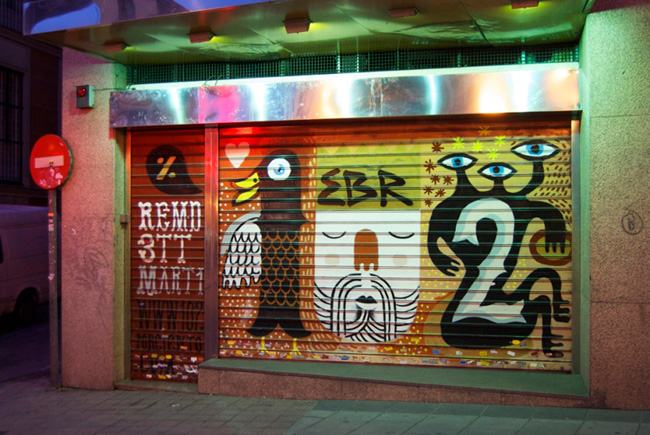
Remed, Eltono, Nano4814
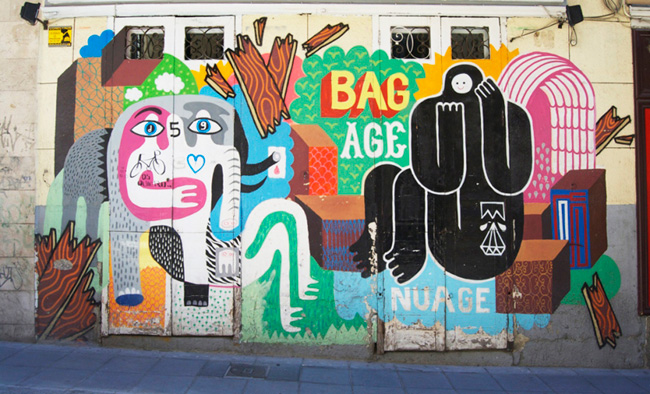
Saner
The incredible digital art of Erik Johansson
Erik Johansson is one of those guys who have raw talent. He excels on digital photography and produces outstanding results. And you know what? He has not have any formal training in photography or studio art — or even classroom instruction in Adobe Photoshop
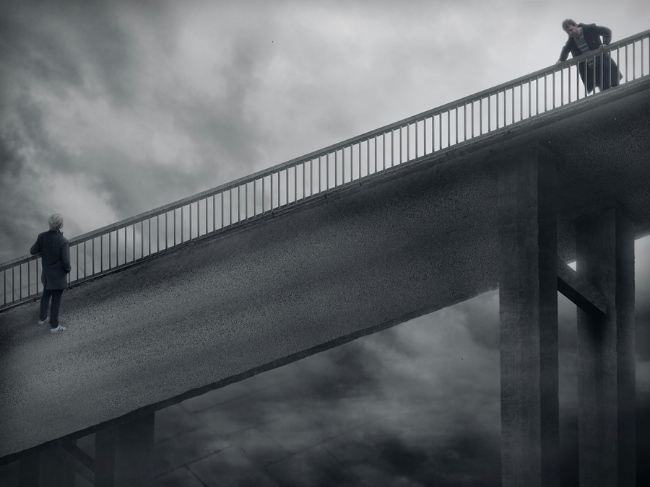
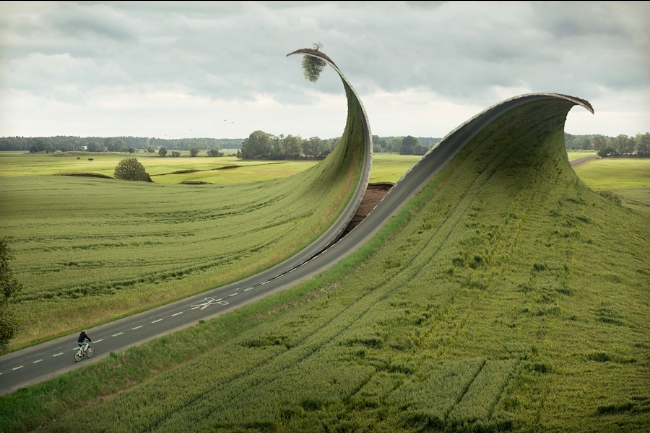
Erik Johansson is keen on surreal landscapes and often depicts characters trapped in their surroundings in some temporal break down.
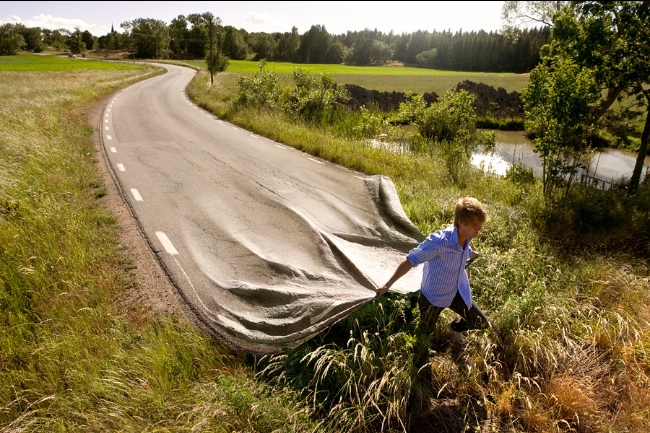
We have included below the Cut & Fold (2012) piece as well as a very interesting video that will show you how Erik Johansson got to the end result.
Here is what the digital artist says about the work: “Inspired by the cut-along border of a magazine coupon, I wondered what a landscape would look like if it were peeled back along a road’s dotted line like a coupon.”
Cut & Fold – Behind The Scenes from Erik Johansson on Vimeo.
Here are other works from Erik Johansson