Summer time and outdoors urban art exhibition sound like they are made for each other so you imagine my excitement when I heard about the Whitecross street party.
I am lucky enough to work quite near the area and had unfairly some might say went a few days earlier to get a sneak preview at the artworks which were starting to pop up everywhere on the walls of Whitecross street. The huge piece from Burning Candy had definitely open my appetite for more.
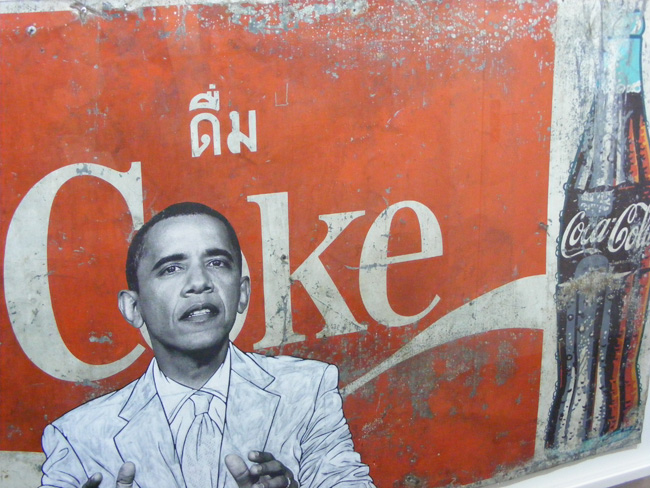
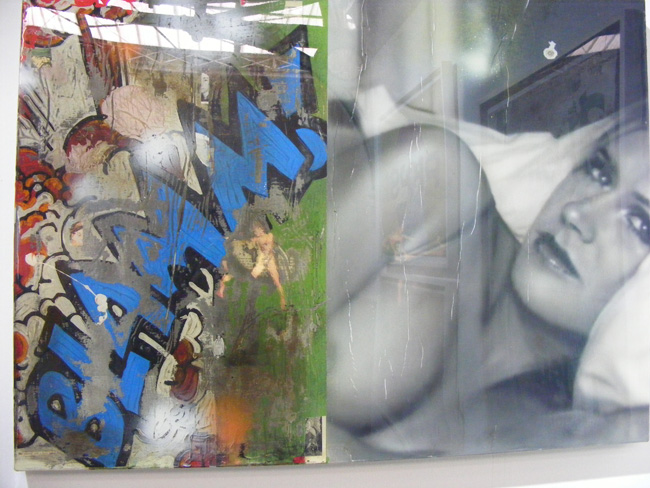
I turned up then early afternoon on Saturday and was happy to see that the street was fairly busy with heads going up and down the surrounding walls and fingers pointing at will. I was quick to join and enjoy Burning Candy, EElus or Best Ever pieces.
I was disappointed though by the lack of live events. I perhaps should have turned up earlier and could have attended the giant knitting event or was I expecting too much? Anyway, it was good to see some artists at it at least stenciling and spraying away.
Good day out overall and definitely some awesome pieces to go and see. The street exhibition runs until the 5th September.
Featured artists:
Best Ever | Burning Candy Crew | Carrie Reichardt | David Bray | Dead Leg | Dotmasters | Dr.D | Eelus | Filthy Luker | Gavin Turk | Giles Walker | Small | Mysterious Al | Mr.E.Dawe | Paul Insect | Peter Dunne | Ronnie Wood | Shepherd Fairey | Teddy Baden | Will Barras | Wreckage | Xenz
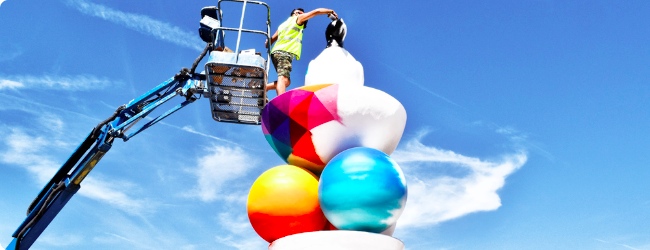
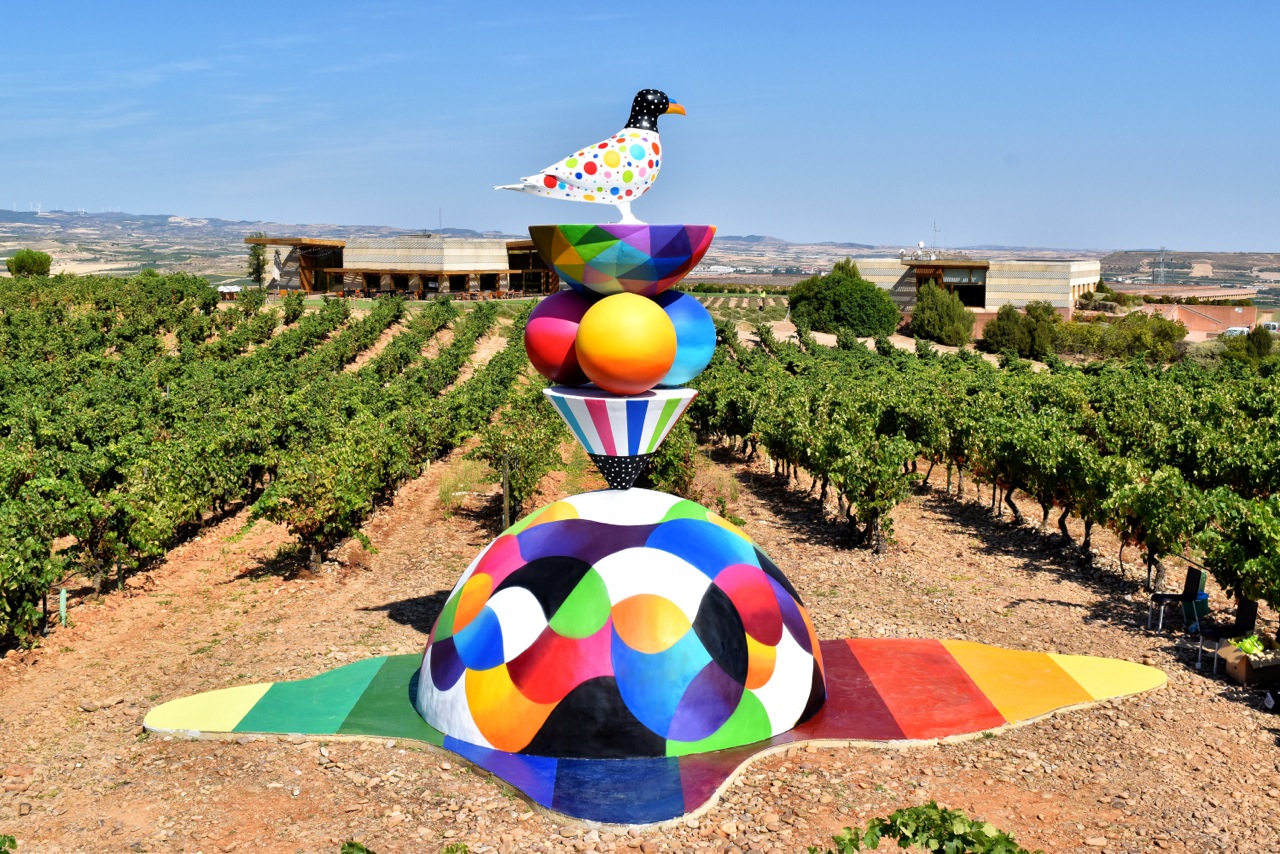
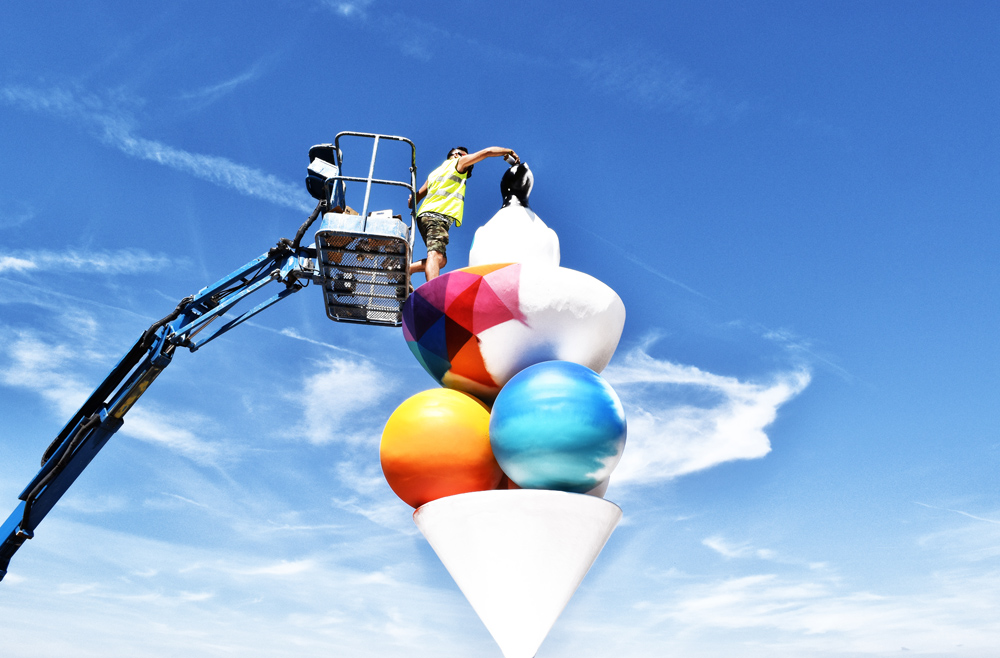
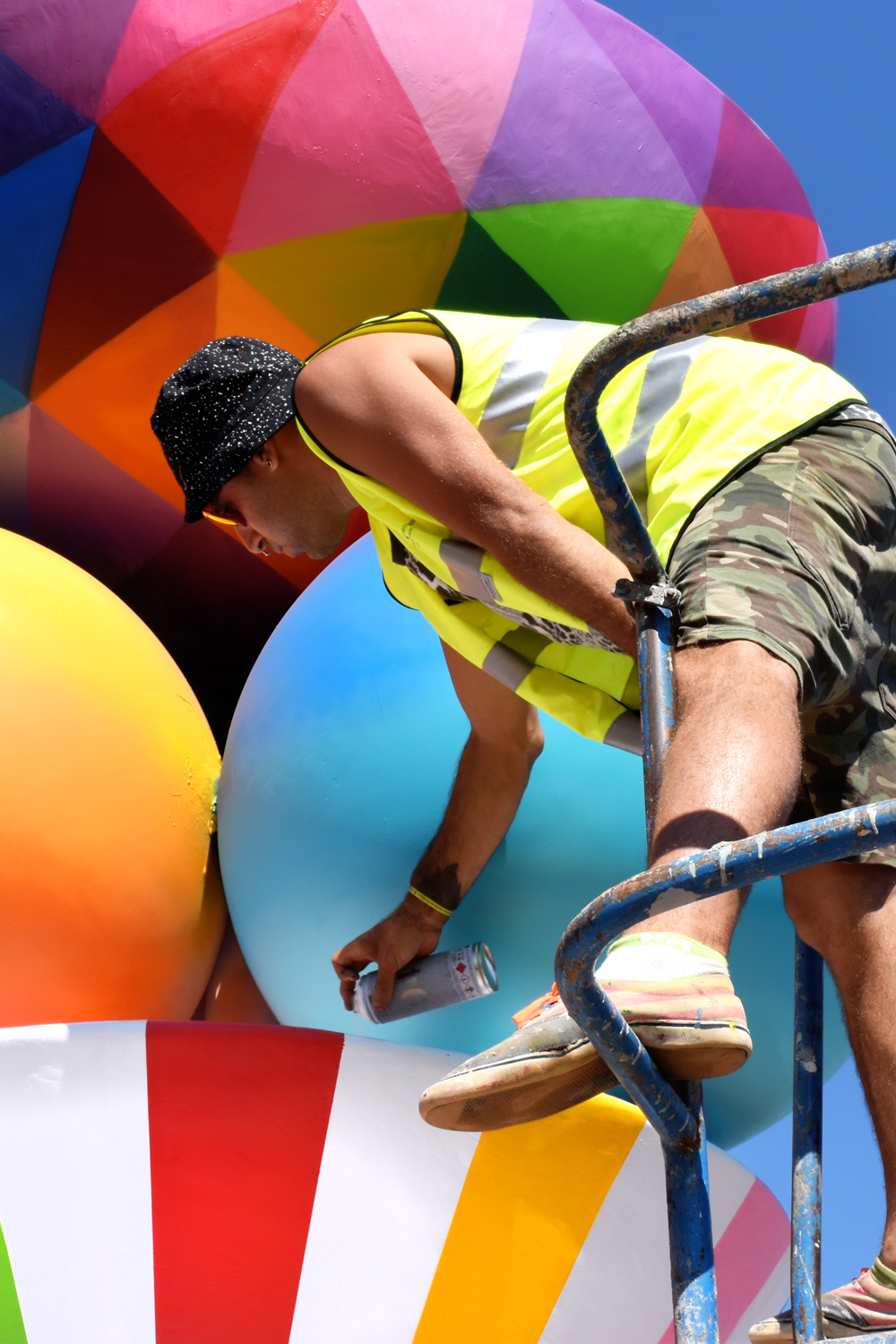
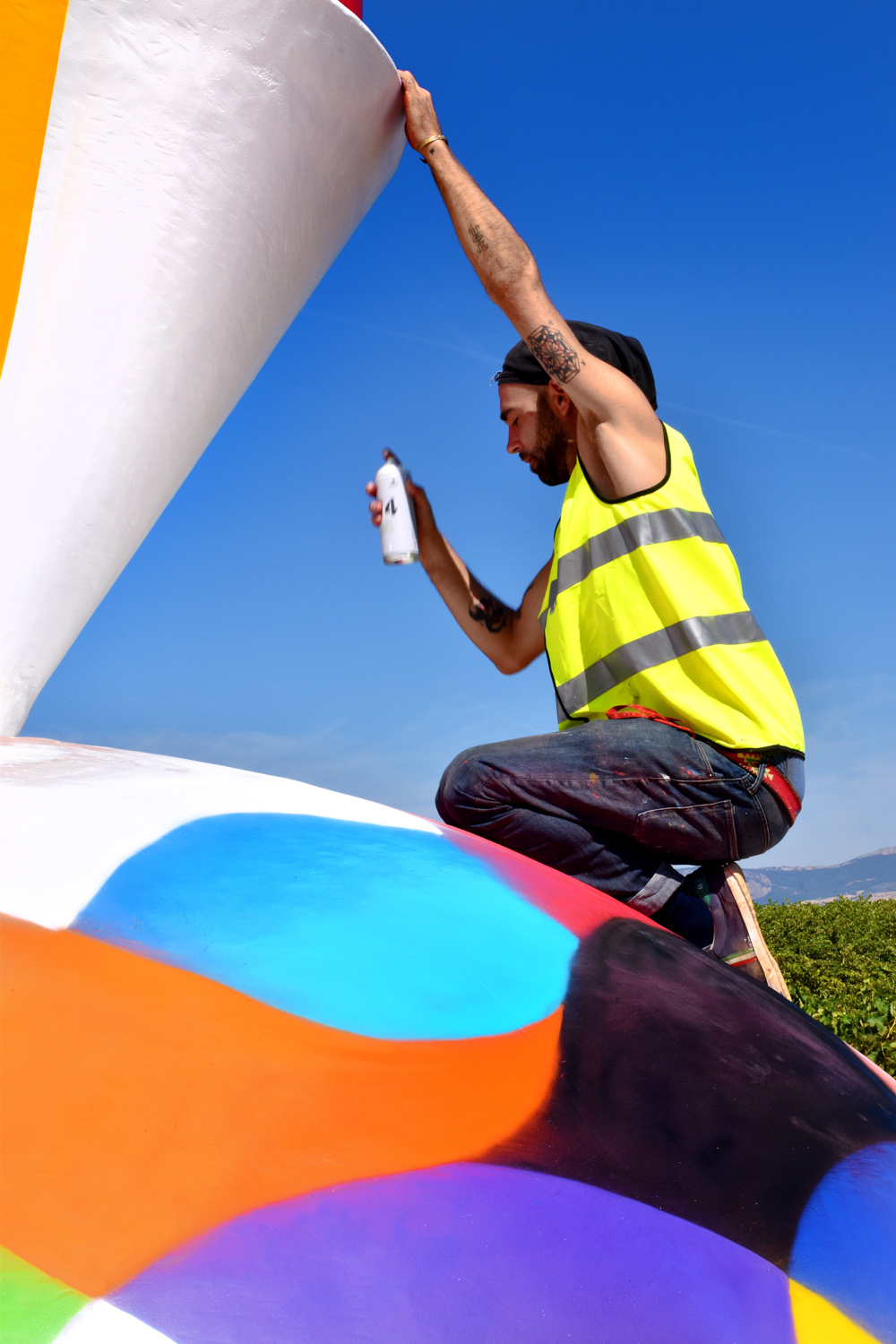
Okuda (Spain) and Remed (France) have renewed the symbolic sculpture located in the vineyards of the winery Campo Viejo in La Rioja, Spain this past week. The work entitled “A Bridge Between Sky and Earth” pictured by the artists was built in 2013 and became an icon for the wineries. Three years later, the sculpture is reborn with a new look, colourful and vibrant with the unmistakable graphic line of the two artists.
A 6 meters hight sculpture
The renewed appearance of this large public artwork, more than six meters high, is a celebration of the Campo Viejo Wineries with the art and this intense collaboration of the two artists.
The fourth limited edition label of Campo Viejo Art Series range signed by Okuda and Remed, will be presented with the image of the sculpture as well.
A long running collaboration between the two artists
Over the past four years we have had the opportunity to witness how this duo of artists, Remed and Okuda, has gradually created a lot of artwork and participated in several places around the world teaming up with Campo Viejo.
Okuda
Places as diverse as Mexico, Miami, Toronto, Warsaw, Madrid, London, Oslo, Zurich, Brussels, Dublin… have hosted the multiple stops of the Streets of Color, Rioja winery project in which the two urban artists have created a recognizable style in which the bright colors and geometric shapes intertwine in a unique way. “It is like a third artist were born from the collaboration of our two styles.” Remed says.
This ongoing collaborative journey between Okuda & Remed with the Campo Viejo winemakers celebrates the expressive nature of the wines and the sculpture in the vineyards was the first work and starting point for all other collaborations that have emerged on the edge of the years between the renowned Pernod Ricard brand and the two artists.
The artistic collaboration is managed by the cultural enterprise Nobulo since 2012.
More about the artists
REMED
Remed
Remed (Paris, 1978) is an expressive French Artist based in Madrid who is well known for his bold use of shapes and colour and large-scale murals. He started painting in 1995 in the privacy of his studio in his home town of Lille, but felt limited by a canvas framework so quickly moved his art to the streets.
Born in Santander, Spain, in 1980 and based in Madrid, Okuda is a passionate and internationally renowned Urban Artist.
Okuda has developed over the years a unique style of artistic expression characterized as “pop-surrealism meets Urban Art”. He uses geometric, bright-coloured abstract shapes with interplay of grey bodies and organic forms to depict contradictions about existentialism, the fake freedom of capitalism, the war between humans and themselves, and the meaning of life.
Since 2002, Okuda has received international recognition and now gets invited to participate in group shows and art events across the world. He has showcased his work at over 56 exhibitions and his portfolio expands a range of mediums from conceptual mixed media installations and mixed media canvas to mural paintings and Street Art.
Ever since two local winemakers – Beristain and Ortigüela – created the first vintage in 1959, Campo Viejo has represented the expressiveness, colour and vibrancy of Rioja.
The Rioja winemaking region is situated in the north of Spain, in the heart of the Ebro valley. It’s the most important Spanish wine region and in its heart lies Campo Viejo.Campo Viejo’s winemakers work hard to ensure that Campo Viejo wines are the very best expressions of contemporary Rioja, conveying the vibrancy of the region in a way that is in keeping with the expressive, fruit-driven style which today’s wine drinkers are actively seeking.
The first London solo exhibition by German artist Markus Keibel sees a continuation of his interactive site-specific installations, as featured in PORTIZMIR 2 (2010), the triennial of contemporary art held in Izmir, Turkey. Exploring semantic roots and the poetry of materials, Keibel’s work brings to surface enigmatic, abstract forms.
Since 2005, the Berlin-based artist has not only developed conceptual site-specific installations, but also an abstract idiom using different forms of human traces. The perception of viewers is the issue addressed by Keibel, whose current work investigates how colour interacts with viewers. His sculptures, paintings and works on paper draw their elements from simple materials, often using pigmented glass and acrylic colours to modify their mode of operation.
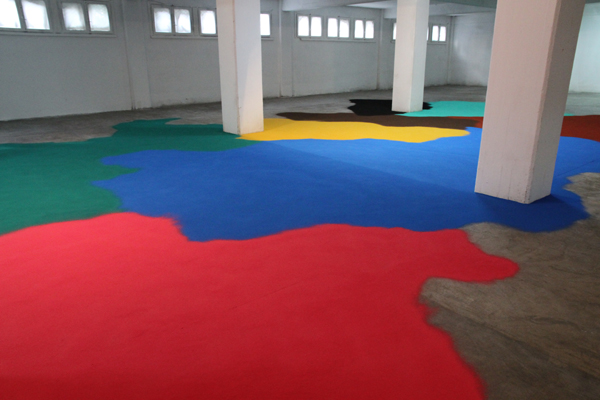
Created on-site especially for the Arch 402 Gallery, Inside Complexity will reveal a large-scale floor sculpture, designed for viewers to walk over and leave traces as they move. Characterized as an ever-changing form, the four concentrated circles—created using different coloured pigment powders—shift and disperse throughout the exhibition venue, causing the colours to lose their intensity. As part of the exhibition, the transformation of Keibel’s ever-changing floor sculpture will be captured both in a time-lapsed video and on canvas.
In order to create these final works, the gallery space will be closed the day following the Private View (11th Feb) when Keibel will use the transformed pigment areas to create big canvases (170 x 280 cm), revealing the transcribed traces of human movement.
Keibel’s interactive installations are less focused on how interaction with the work evokes feelings in the public, but rather, with how these feelings act on given materials, as the pigments ultimately seem to reveal a sentimental beauty. Rendering the pigments in his own specific mode of representation, Keibel not only prefigures subjectivity in the abstract but also his own subjectivity, from a viewpoint that questions the prescriptive experience.
Words from Necmi Sonmez
Where – ARCH 402 GALLERY | Cremer Street, E2 8HD | Tue-Fri 11-6 When – 12 February – 18 March 2011 / Private View 10 February 6-9pm
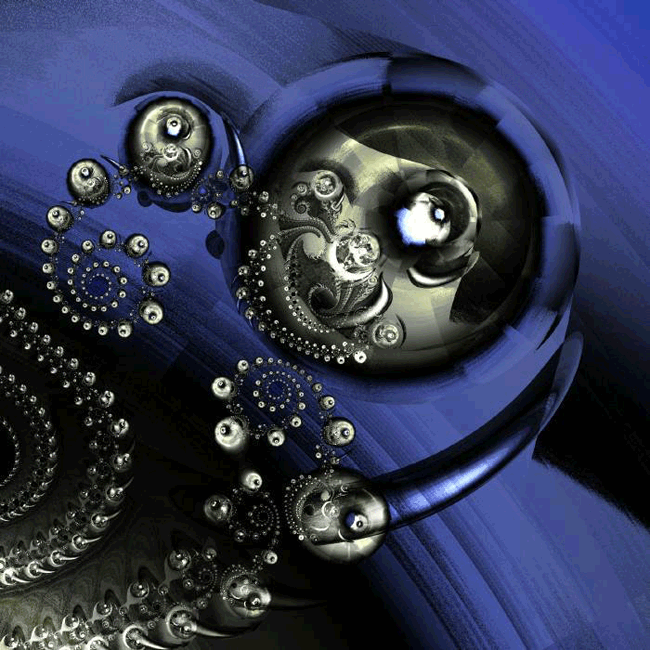
When I first heard about ‘fractal’ art, I did not have a clue what it could be so I thought I’ll investigate this further and was quickly to find out that Mr mathematics has its role to play here.
Before carrying on, it might be best to get out of the way a few terms definitions which shall shed some light on this form of art
The FIAC art fair has opened its doors to the public until the 27/10 and while loads is happening, a stroll around the Parisians parks i a must as a bung of artist have dropped some outdoors installation. This event is called Hors-Les-Murs
Make sure to head down to the Tuileries Gardens, Jardin des Plantes, National History Museum, and Place Vendôme, the Petit Palais, and the banks of the Seine River, situated on the left bank between the Pont de Solférino and the Pont des Invalides and you shoud get your dose of art
Highlights include an installation by Tadashi Kawamata on the iconic Vendôme Column in Place Vendôme, working in collaboration with the Comité Vendôme and its members, in particular a number of major jewelers that are based in the mythic square. The piece is entitled “Tree Huts at Place Vendôme, 2013.”
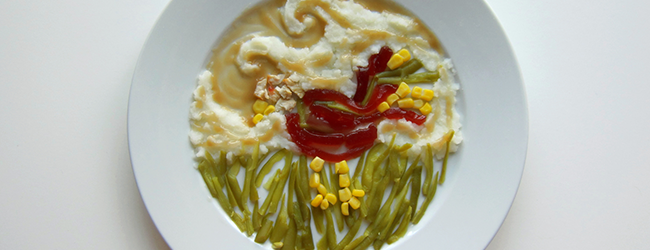
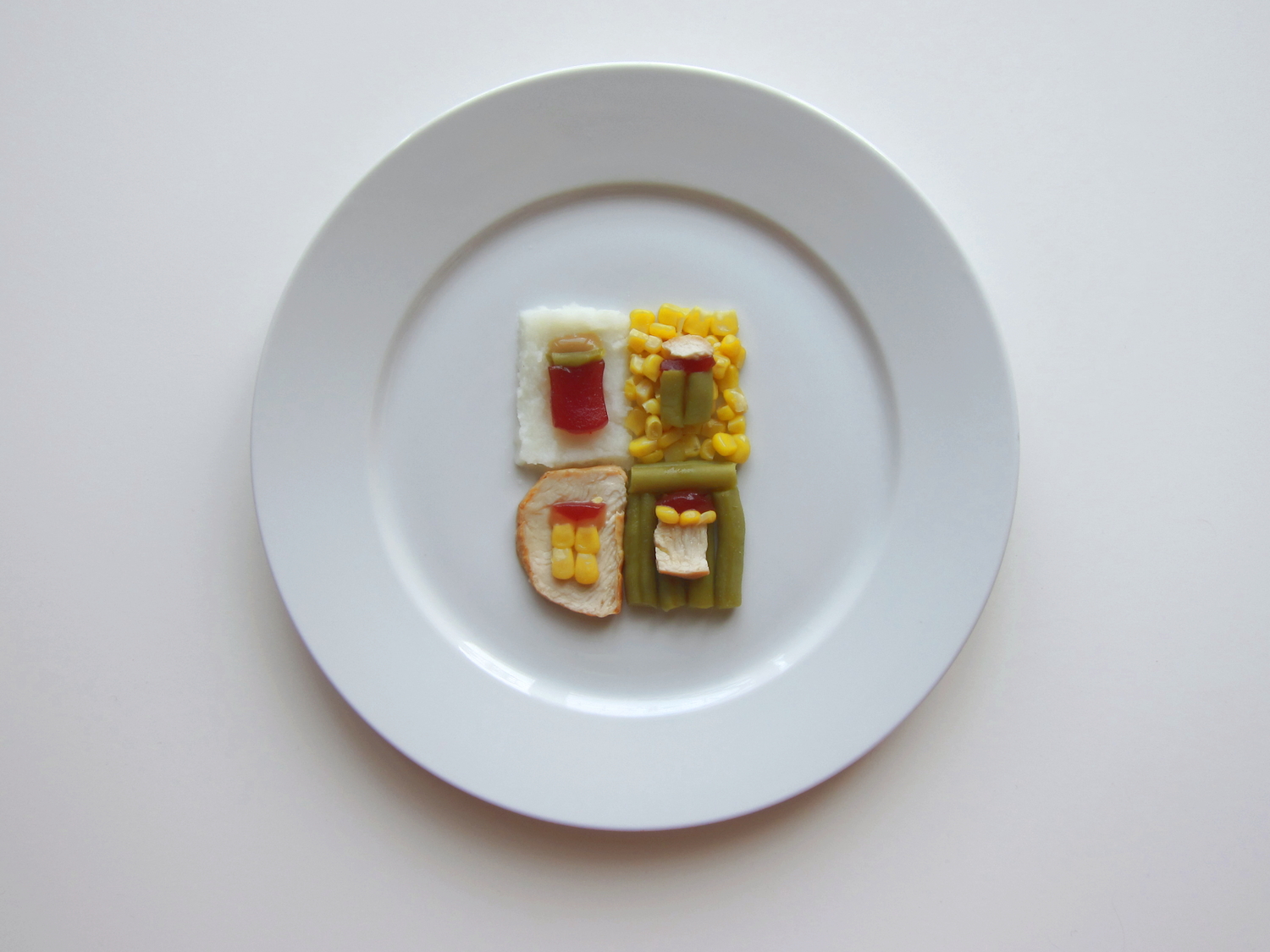
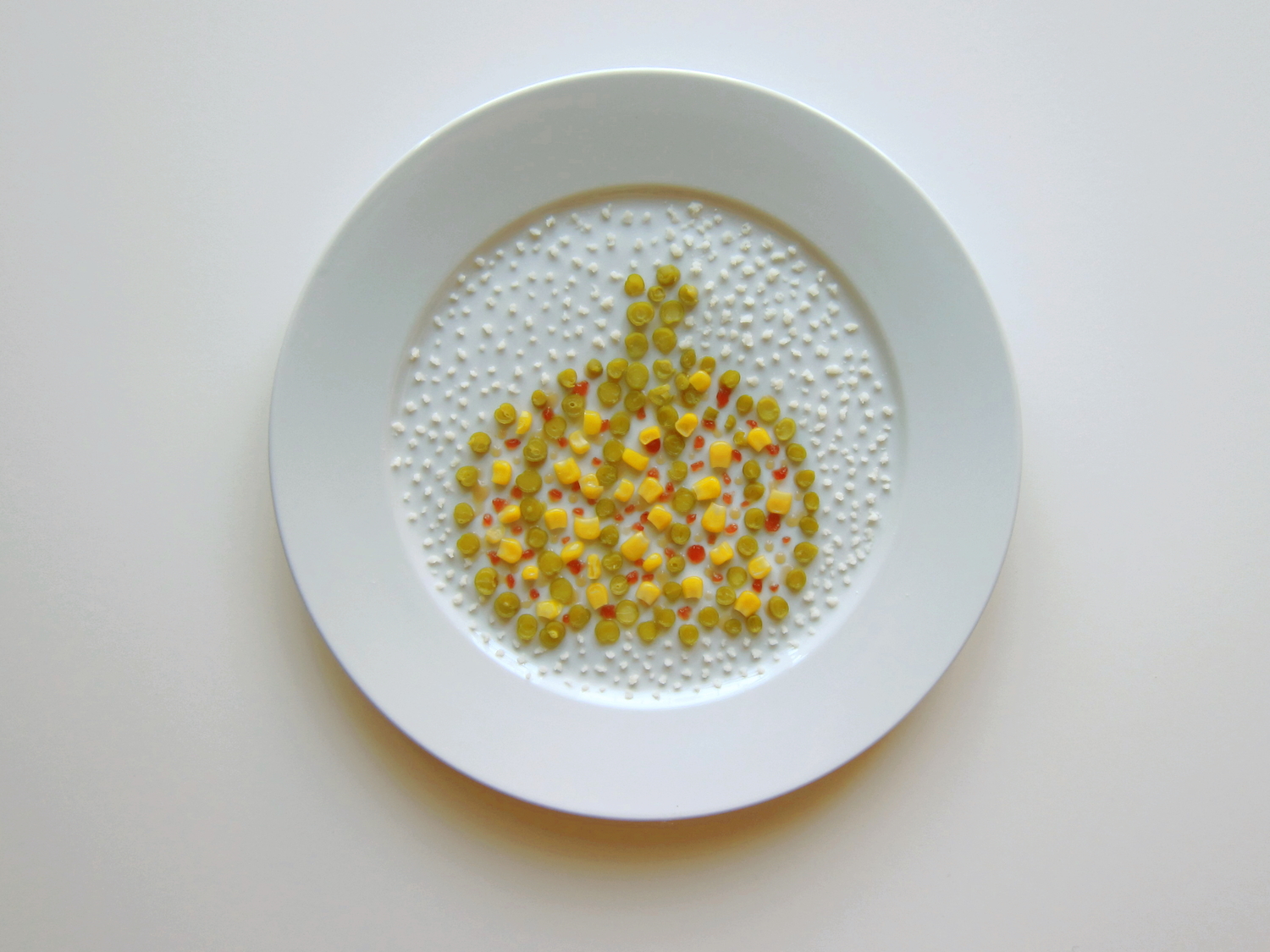
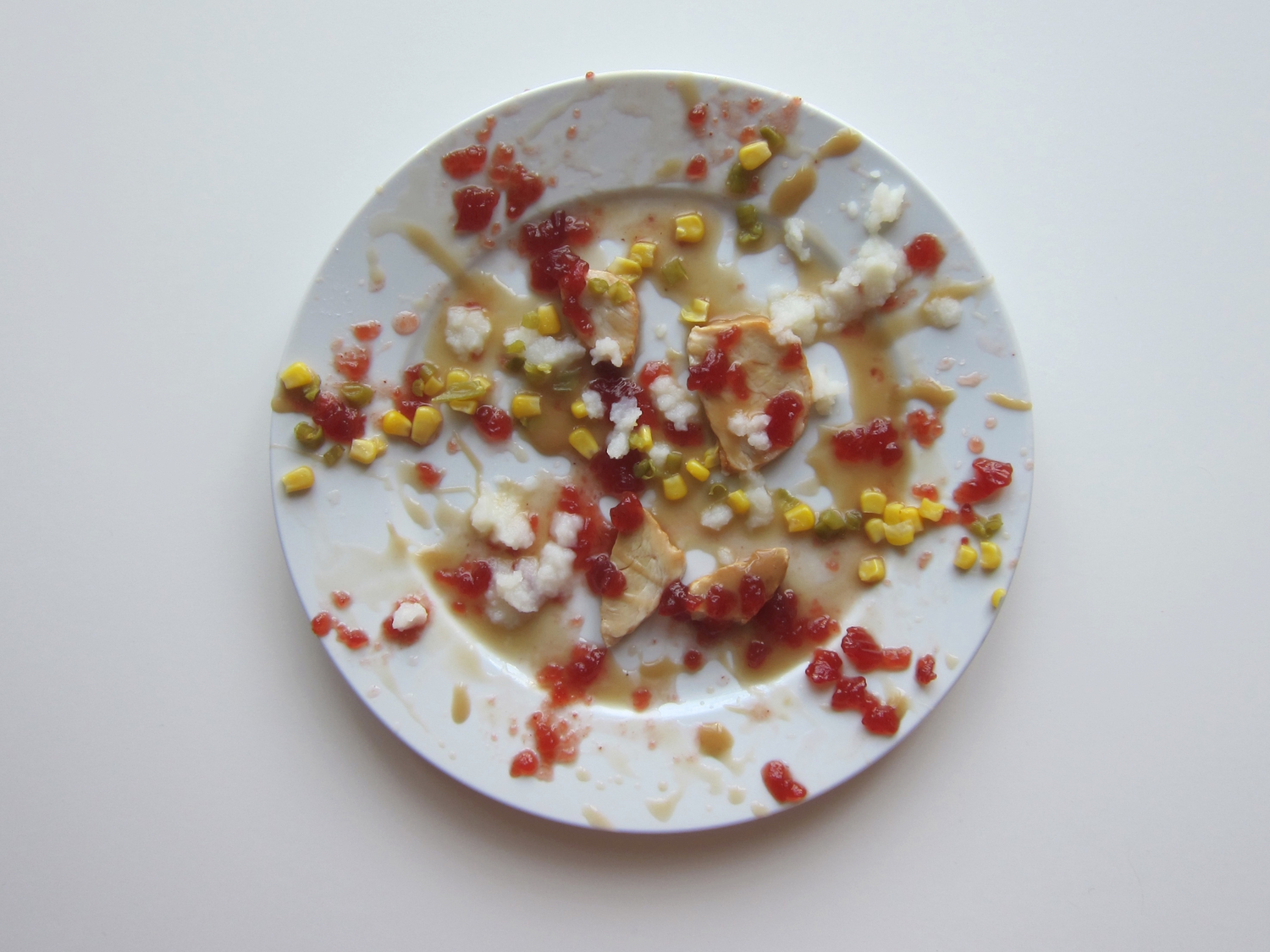
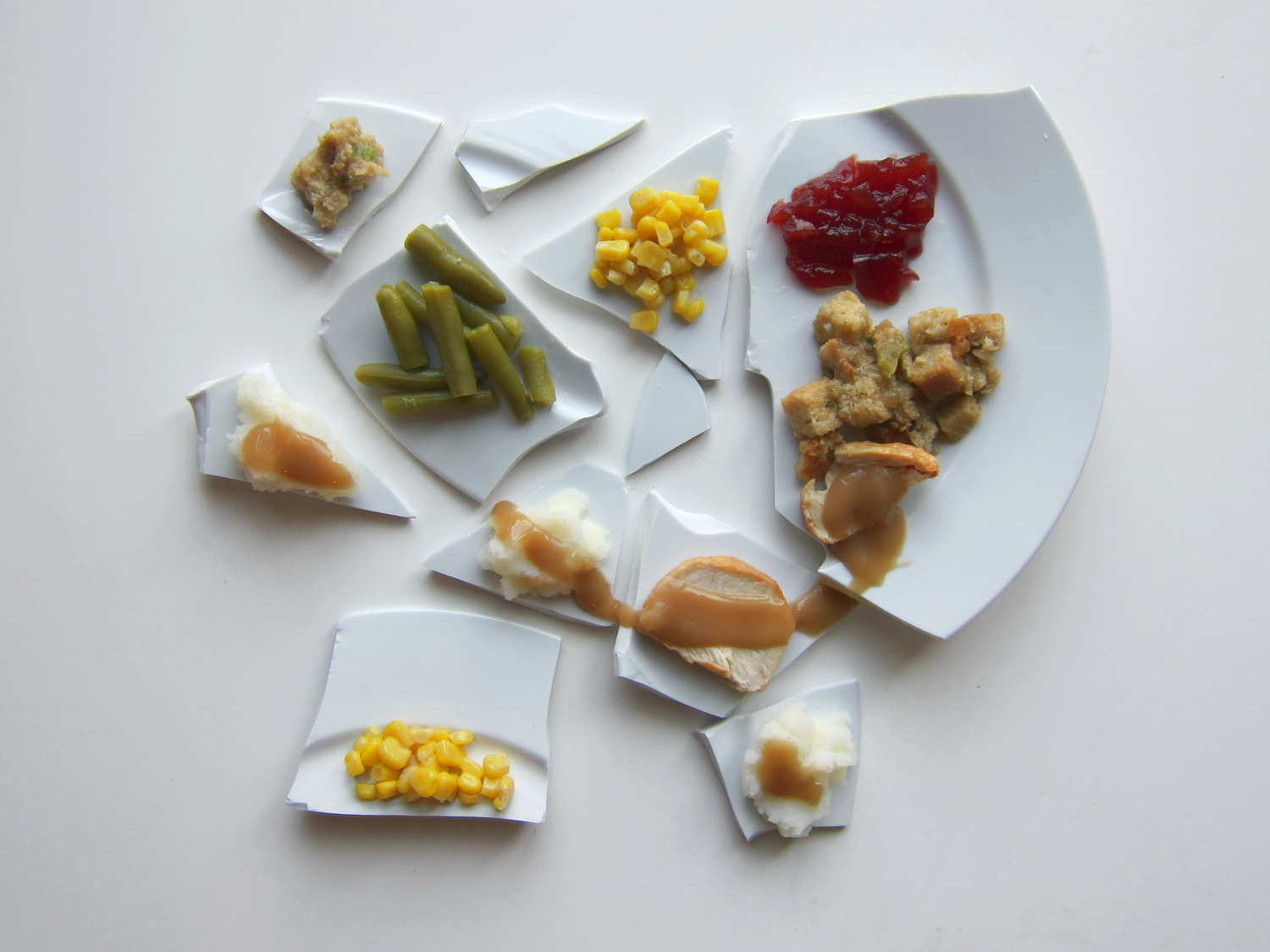
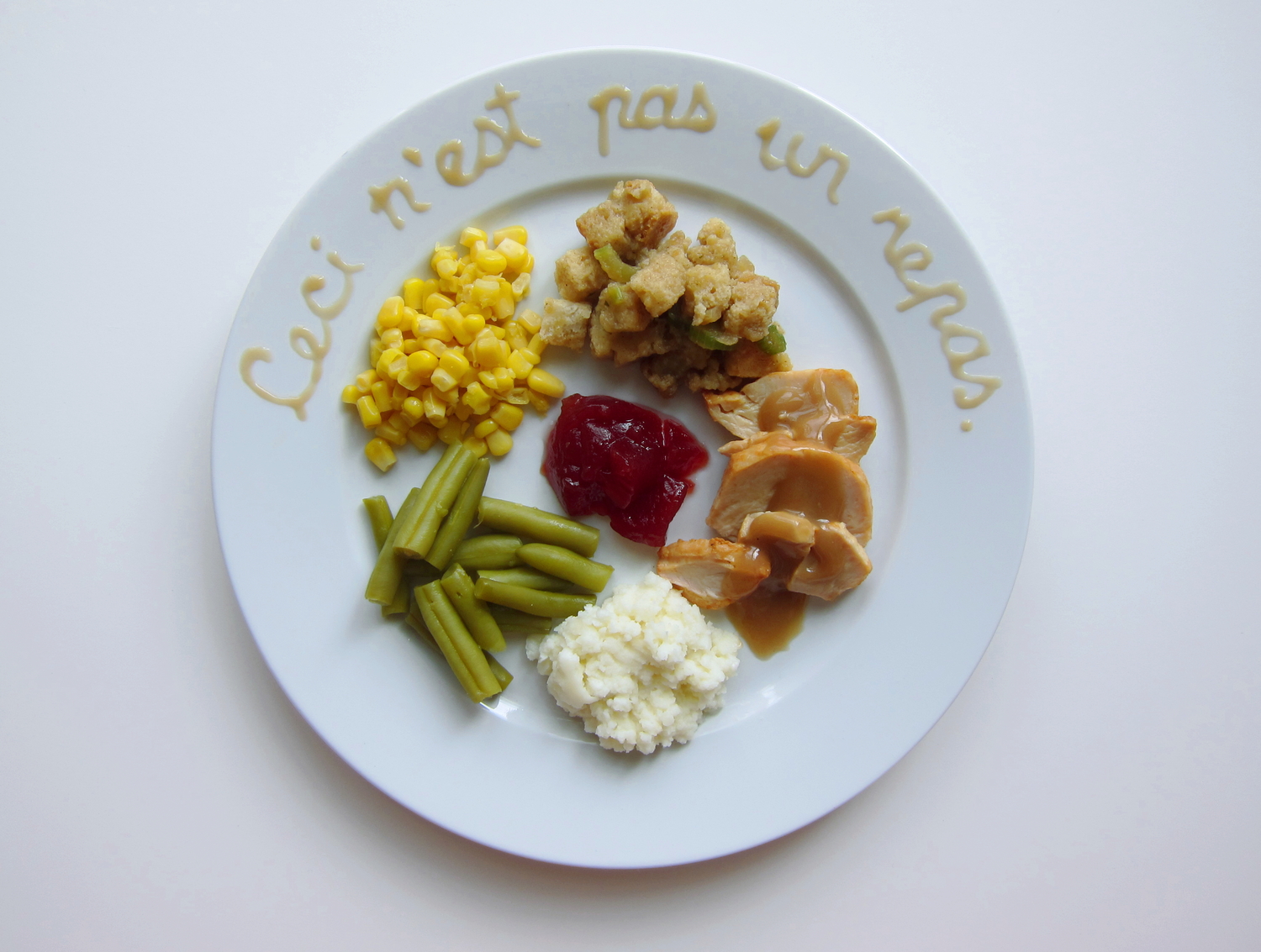
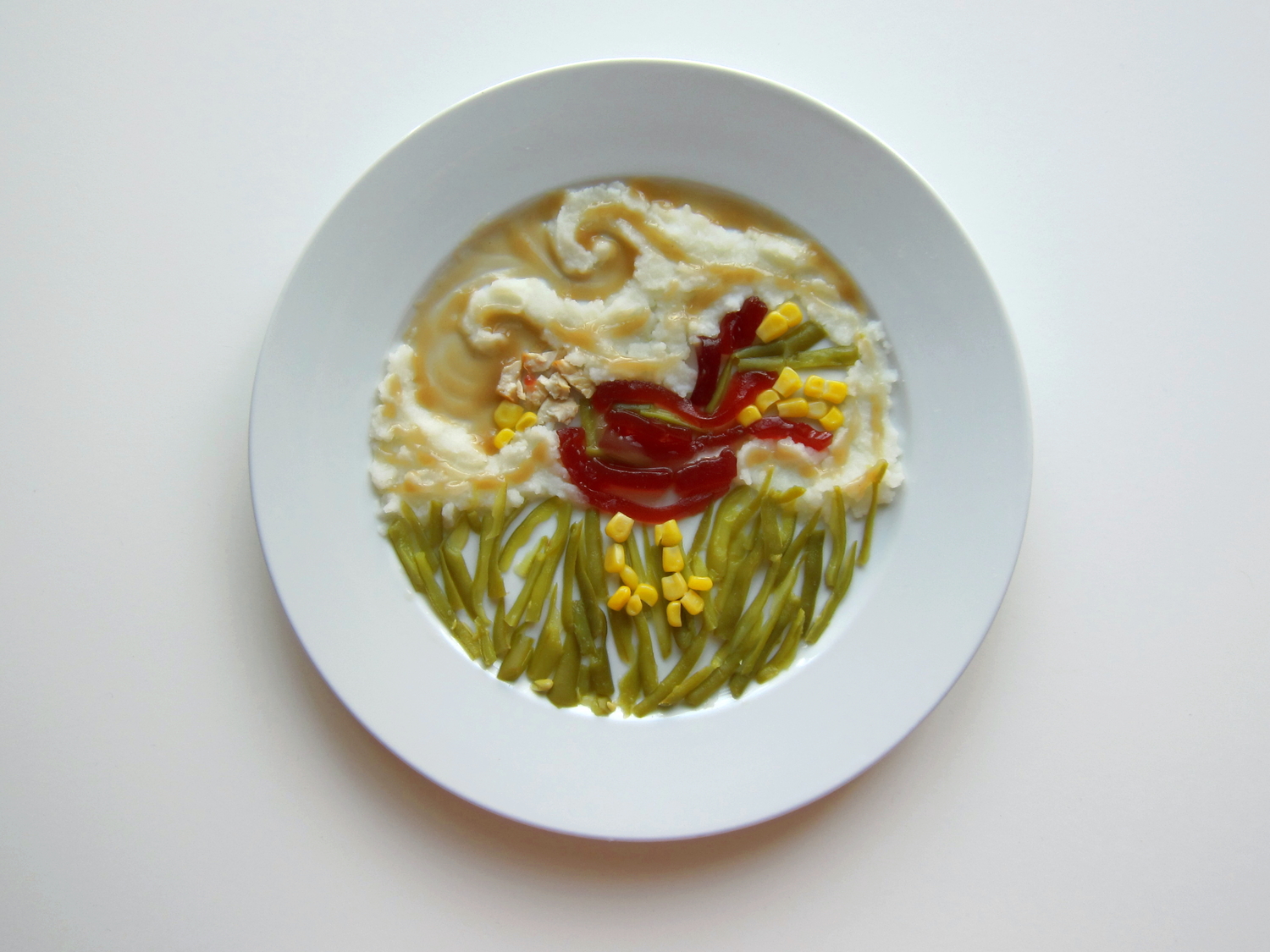
What not to like here? It is Thanksgiving today and San Francisco-based artist Hannah Rothstein transposes Thanksgiving dinners as plated by famous artists throughout history.
Andy Warhol
Georges Seurat
Jackson Pollock
Picasso
Rene Magritte
Vincent Van Gogh
All artworks (prints) are signed and limited edition and even better, %10 of profits will be donated to the SF-Marin Food Bank. For inquiries, write art@hrothstein.com.
MIX: Winter Group Show 2015 at Lawrence Alkin gallery forms the second of the gallery’s biannual group show programme, which showcases the breadth of artists that are associated with the gallery and introduces those who we’re big fans of and will be working closer with in the future.
The exhibition runs throughout December and January offering you the chance to enjoy a wide variety of art and artists over the coming couple of months. On display you’ll find new original works from our roster of contemporary and street artists alongside iconic pieces from world renowned names. Expect to see everything from oil on canvas through to neon/light sculpture.
‘Synthesis’ by Tom French | Art-Pie
Works on show from the following names:
Jake Wood-Evans | Jessica Albarn | Miss Bugs | Jeff Koons | Dan Baldwin | Zoe Grace | Banksy | Dave White | Ryan Callanan | Dean Fox | Tom French | Nick Smith | STIK | Laura Keeble | Damien Hirst | Nick Walker | Static | Jube Jube | David Walker | Jackie Berridge | Shuby | Ai Wei Wei | Michelle | Mildenhall | Kim Smith | Will Blanchard (Wildcat Will) | Lucy Sparrow | Matthew David Smith
WHAT – ‘MIX’ winter show WHERE – 42 New Compton Street, London WC2H 8DA WHen – Until 16/01/2015
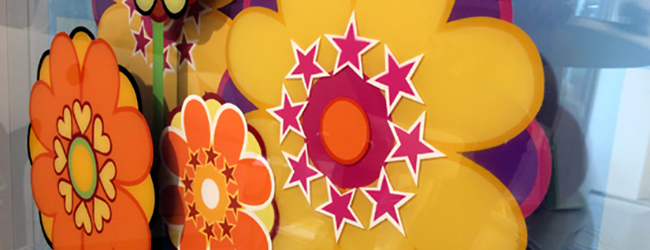
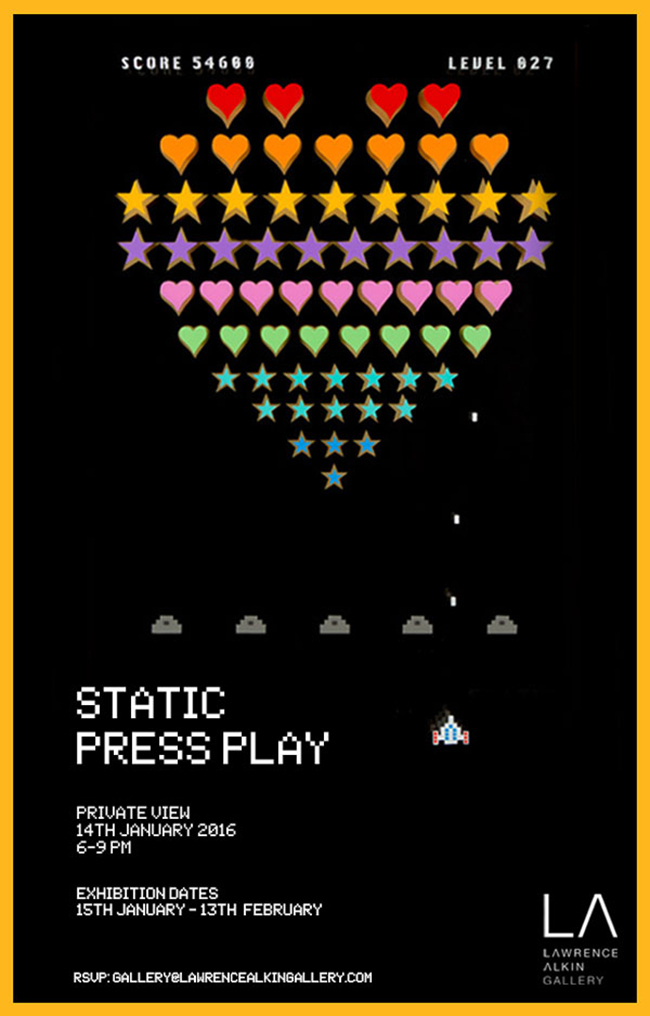
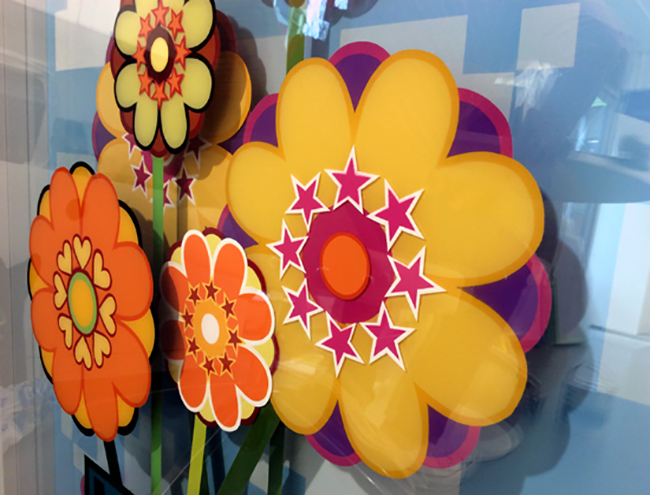
Opening their 2016 exhibition programme, the Lawrence Alkin Gallery welcomes STATIC to host a solo exhibition presenting their unique layered glass reinterpretations of 8-bit video game graphics.
The show has been born out of the duo’s massively successful Game On! image released early 2015. Press Play reflects on the sub-culture of gaming and how since its inception in the mid-twentieth century it has carved for itself its own sub-culture and global following, which now has far reaching influences. The new work and exhibition also reflects back on how these early graphics have come to influence and inspire contemporary design.
Featuring images from a host of well-known, iconic, games from both arcade machines and early home entertainment systems such as Tetris, Asteroids, Space Invaders, Super Mario & Pac Man, this show promises to start your year with a bang!