Designs of the Year

I must admit I don’t often think about how design is all around me. I could say it is embedded in my life, from when I wake up to when I go to bed. My alarm clock, the typography in my book, the label on my favourite bottle of plonk and the lamp I switch off at night.

If you think design is just function, think again. Immerse yourself in the top floor of The Design Museum with their Designs of the Year exhibition.

This array of international pieces span: Architecture, Digital, Fashion, Furniture, Graphics, Product and Transport. Feast your eyes on this ‘look book’ across the design spectrum for the museums Design Awards. A high profile judging panel decide the best entries in each of the seven categories. The category award winners and the overall winner of the Design of the Year Award shall be announced in April 2012.

Turning function on its head, the Design Museum display also includes works poking fun at design in computer functions with – Your Browser Sent A Request That This Server Could Not Understand – an illustrated depiction of the internet by Koen Taselaar.

Designs of the Year looks outside the box; not just new spangled technology or expensive materials. Noma Bar (above) produces simple shapes, that reveal hidden possibilities, whose negative and positive spaces draw the eye every time. There are designs that are simplistic, that save lives. The Earthquake Proof Table by Arthur Brutter and Ido Bruno (below) is astonding in its clean back to basics design that could help thousands.
 

The Earthquake Proof Table


Shopping online and on the move is nothing new but South Korea have taken mobile and digital aspects to the next level. Homeplus Tesco Virtual Store is the result – below. Choose your item from their virtual store!

Holographic shopping en route home?Augmented reality is given a breath of fresh air by Swappu, creating a ‘holo-deck’ feel, well, okay it’s not quite up to Star Trek level. The animations are great and the playfulness of it will be a hit for kids. Its a soft and easily lovable digital world that shall no doubt advance rapidly.

See the app in action here > http://www.youtube.com/watch?v=sBmLWdjtzPw

© 2012 Dentsu London

One Thousand Cranes for Japan is a charity project that aims to inspire and bring people together to be part of a final creation. Members of the public can choose, download and print off the paper designs to fold into their own origami creation. A chance to be part of the designs final creation, it’s nothing groundbreaking, but it’s not meant to be.

Image by Anomaly/Unit9  anomaly.com

The Comedy Carpet (below images) takes typography bold and big. It reminds us font is more than just Arial and Times New Roman selected on a computer screen. This gigantic installation, created by Why Not Associates, sprawls out in front of the Blackpool Tower and features over 160,000 granite letters embedded in concrete. It refers to the work of more than 1,000 comedians and comedy writers, giving a visual form to jokes, songs and catchphrases.

The Comedy Carpet in progress

Comedy Carpet, Blackpool

The Crates (below) by Naihan Li & Co is a product that is a must for the clothes obsessed, and those who need organisation of all their essential fashion items. See just how functional a plain industrial looking crate can be, reacting to our clothing hoarding and need for storage.

This work is in stark contrast to Sarah Burton‘s now infamous handmade lace that’s delicately on display. This painstakingly handcrafted work was stitched into the nations memories on Kate Middleton’s wedding dress.

The wide spectrum at the Designs of the Year should open up your eyes to the flexibility and intricacy of design and its ability to problem solve, whilst looking back to the past for inspiration.

With mass market production all to easy to snub, design is at an exciting point; using mass production processes to save lives but taking us back to simplicity, creating unique angles on our lives.

The Designs of the Year exhibition runs 8 February – 4 July at The Design Museum. For tickets and information click me!
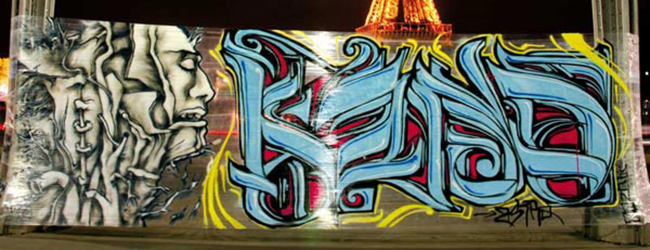
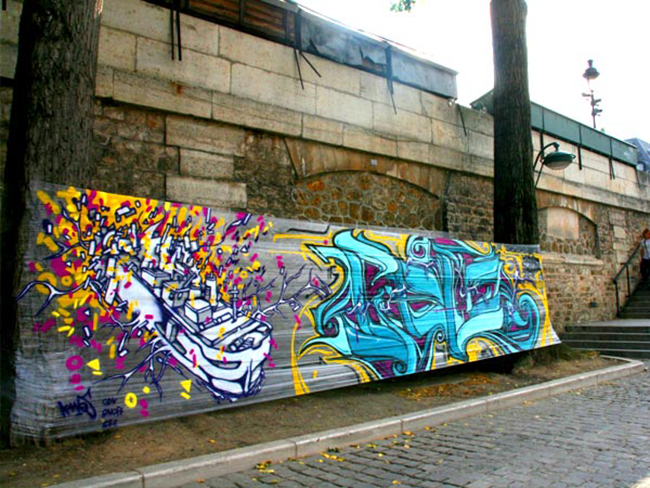
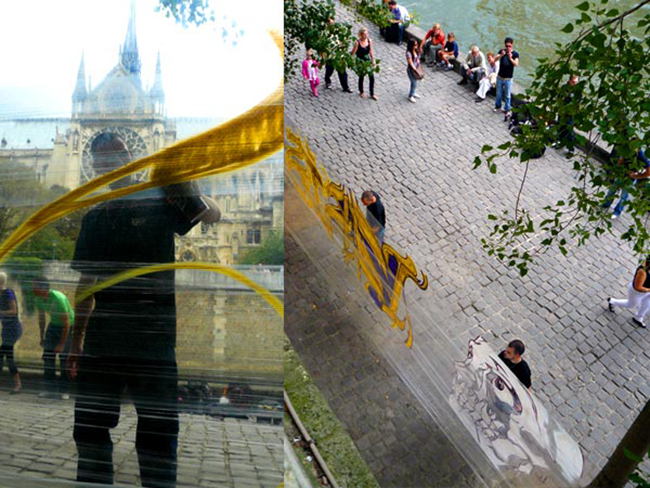
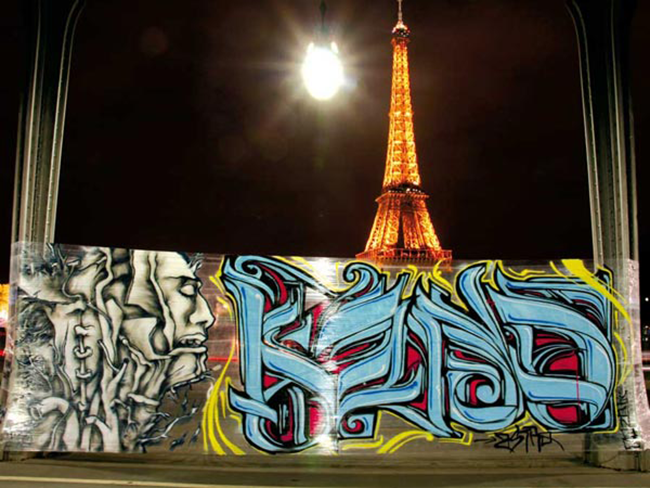
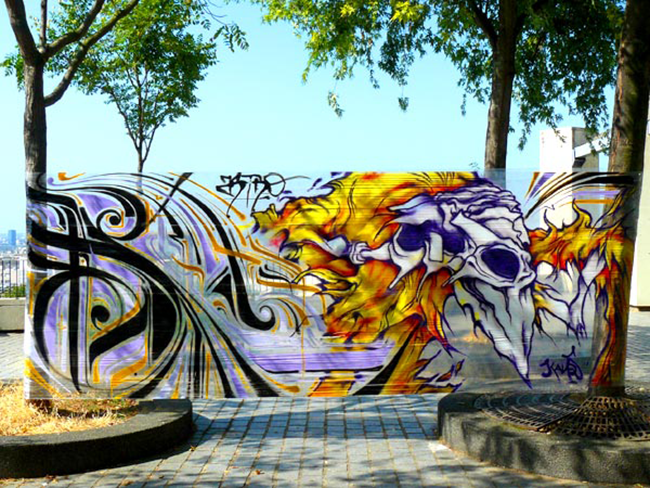
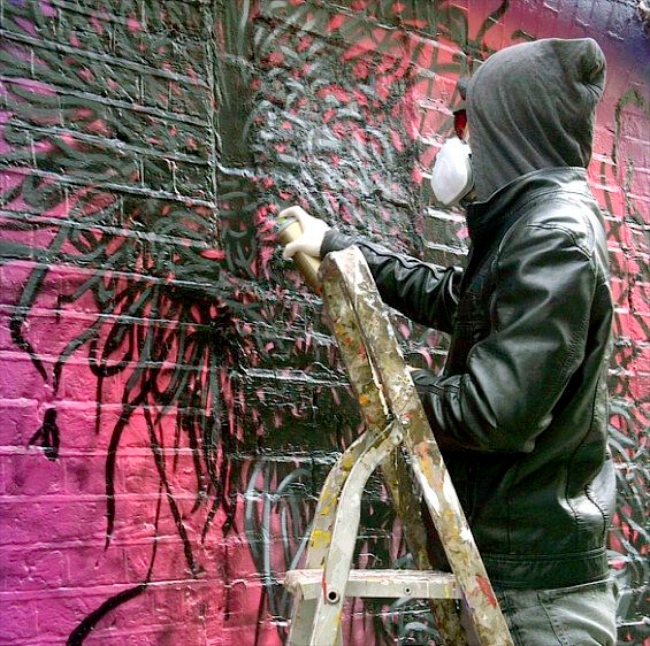
Splash on cellophane, not walls

Should the thought of being arrested and possibly get a jail sentence for spraying on walls refrain you from expressing your creativity, look no further we have got a solution.

1. Get down to your corner shop or supermarket and buy cellophane rolls, loads of them.
2. Find two trees or pillars quite close to each other and start rolling the cellophane around one of them
3. Stretch the roll to the other tree and again roll it around
4. Tear off
5. Smile
6. Get your cans out
7. Spray.

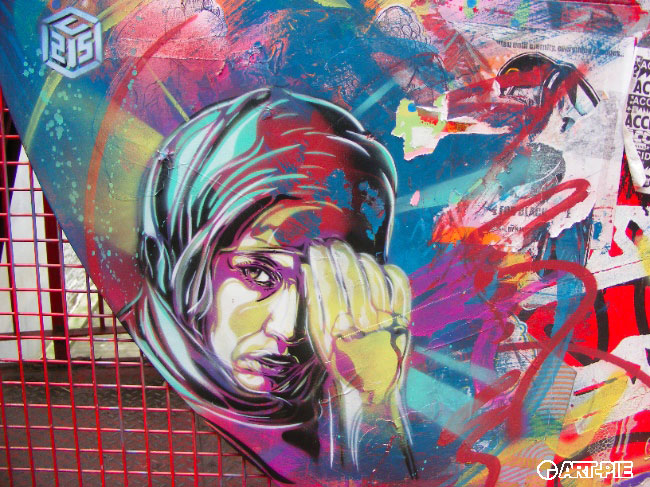
We have included below shots from the collective CelloGraff who are keen “cellophane street artists” (<– just made that term up) as well as a video showing how they do it

Graffiti on cellophane by CelloGraph | Art-Pie

Graffiti on cellophane by CelloGraph | Art-Pie

First seen on Design Taxi

Remi/Rough and Steve More at Blackall studios: urban abstract

Remi/Rough and Steve More are leading a new school of post-graffiti artists and this will be the first UK exhibition to showcase the movement.

A is an exhibition at the forefront of an urban abstract movement whose roots come from a time before the hype of street art. Interest in this movement is steadily gaining momentum and Remi/Rough and Steve More are amongst its finest exponents. Continue reading Remi/Rough and Steve More at Blackall studios: urban abstract

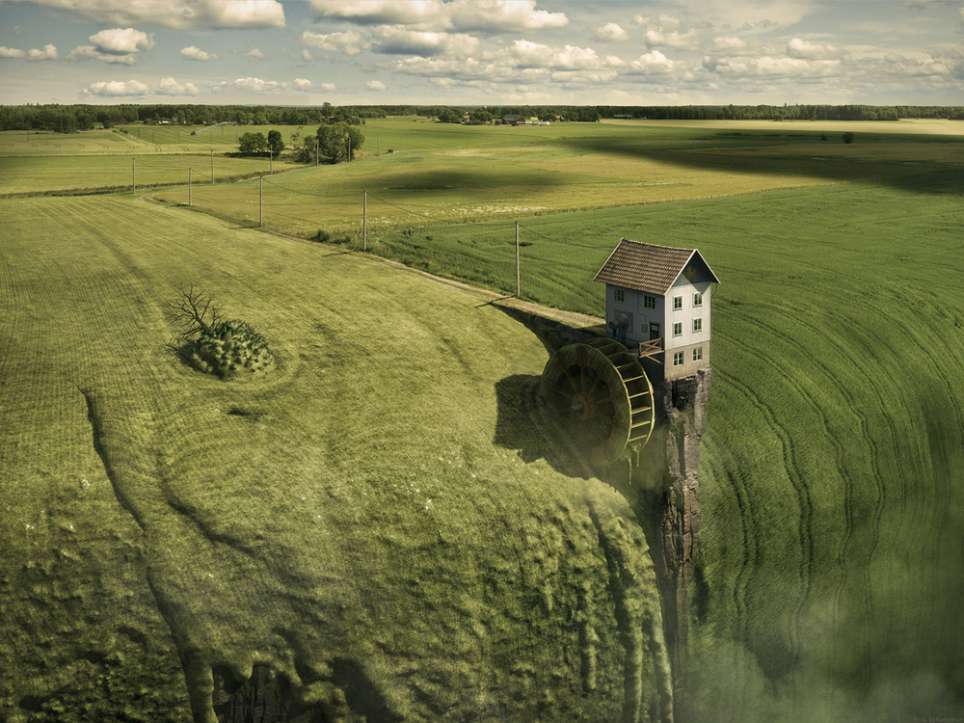
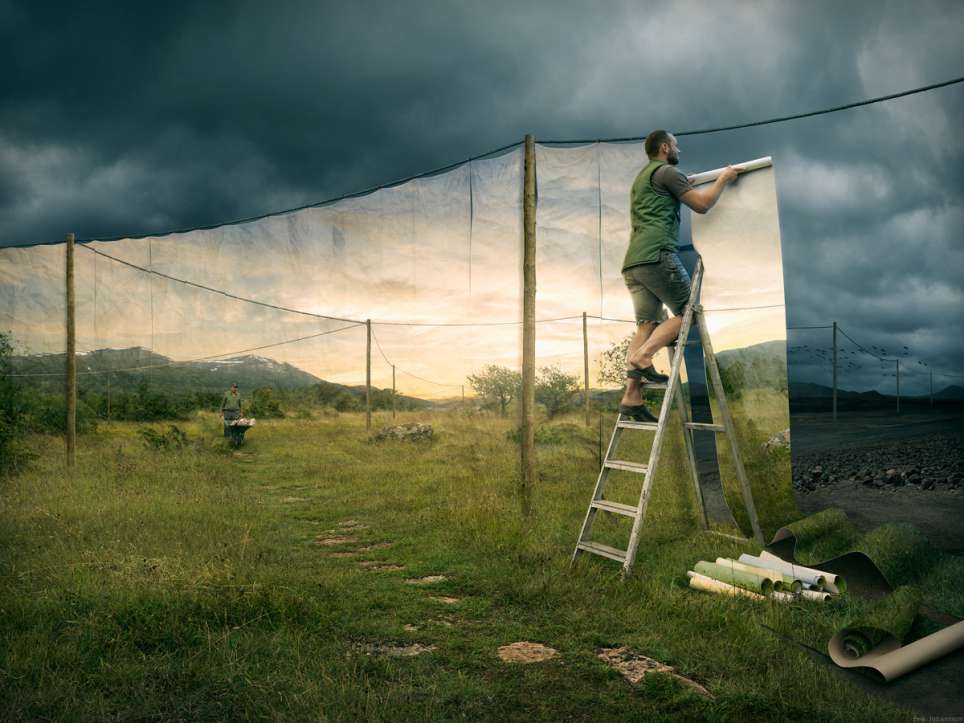
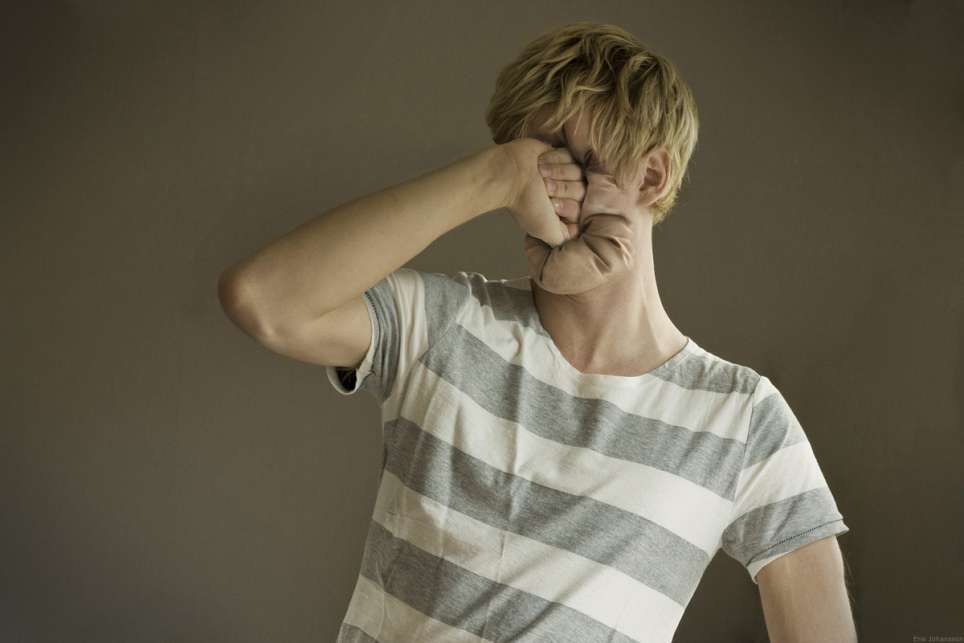
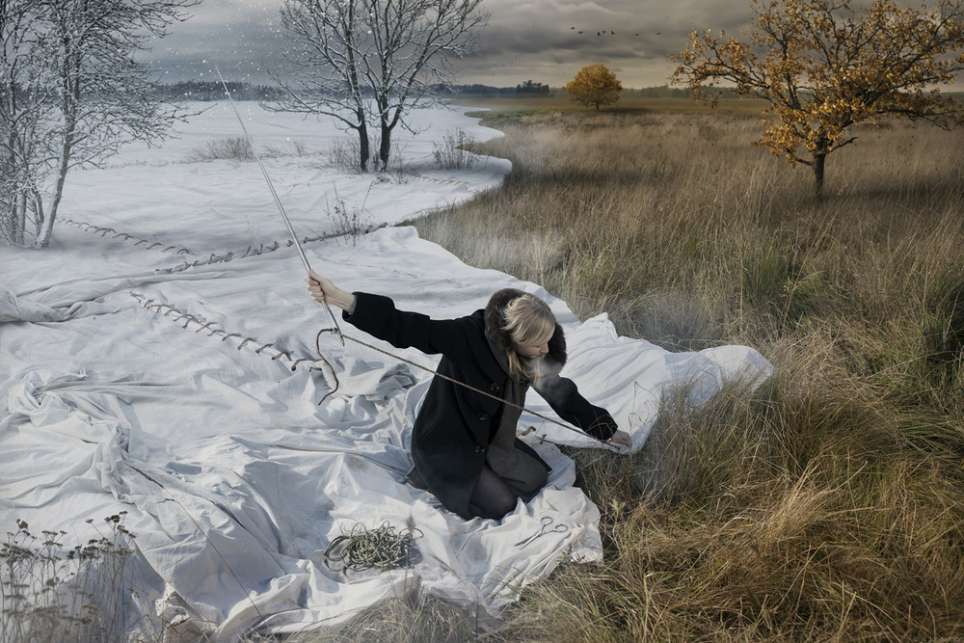
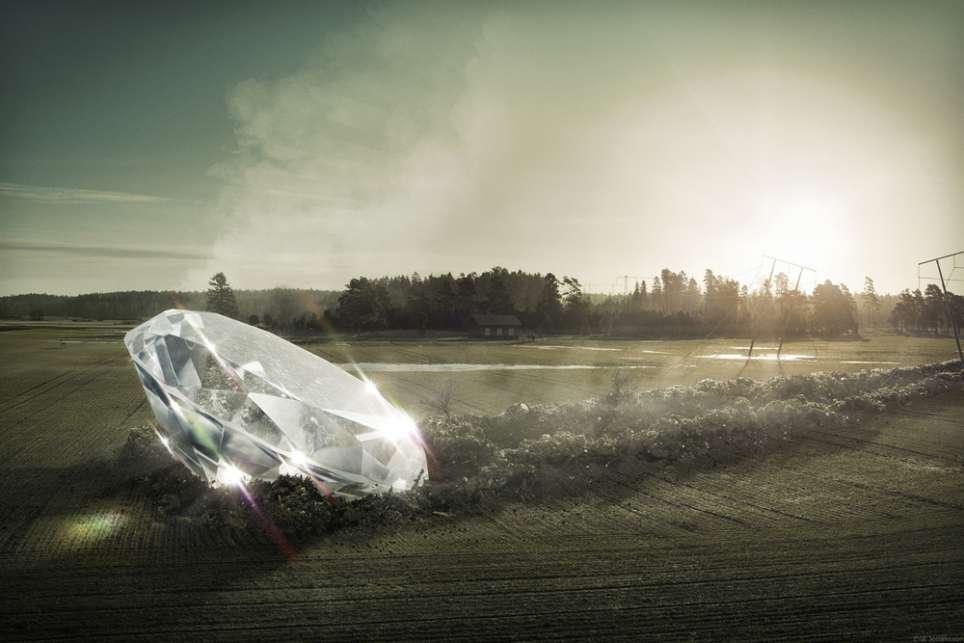
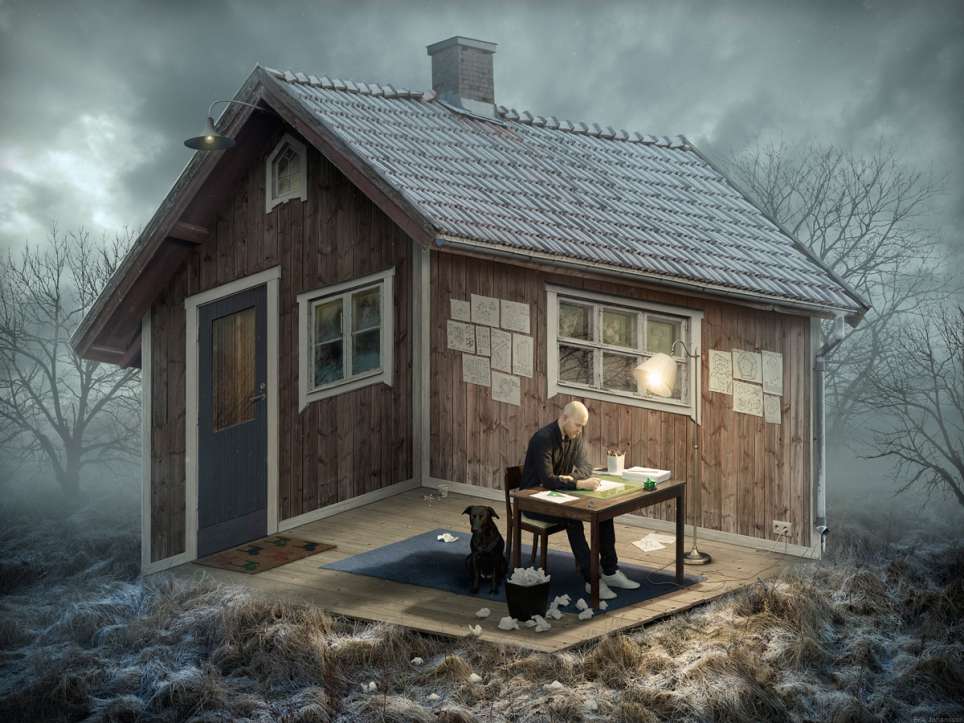
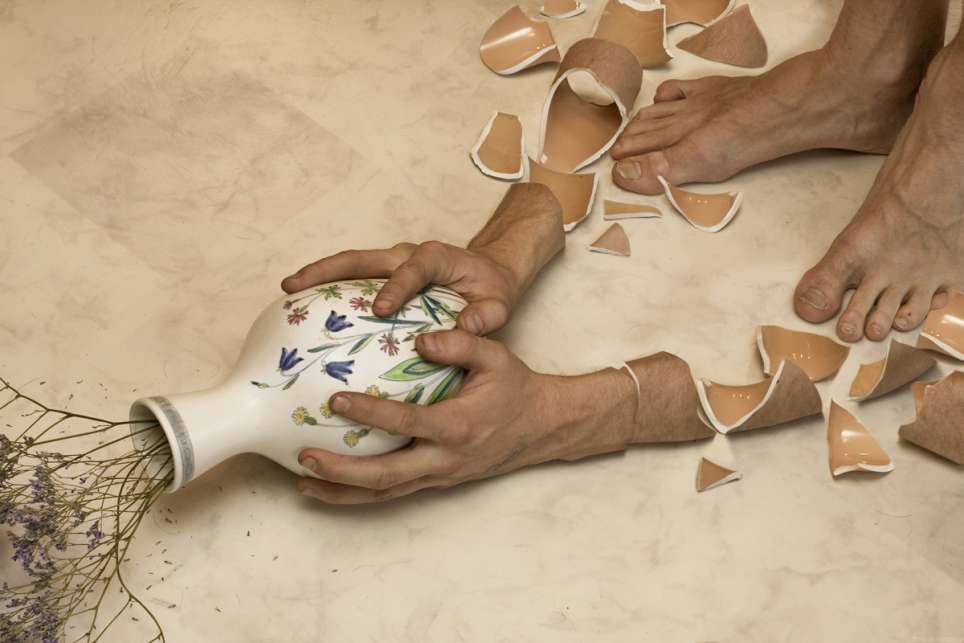
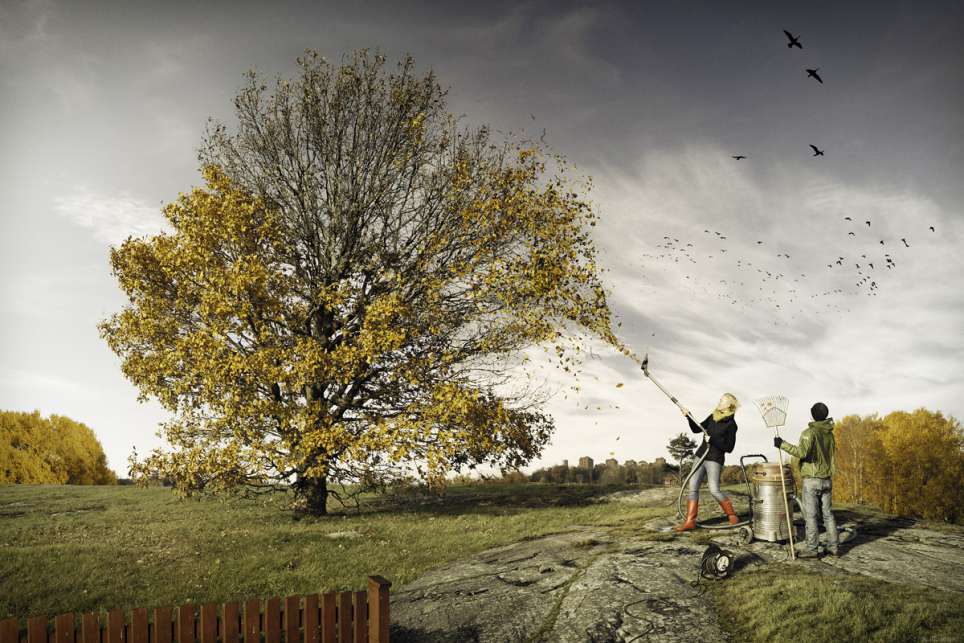
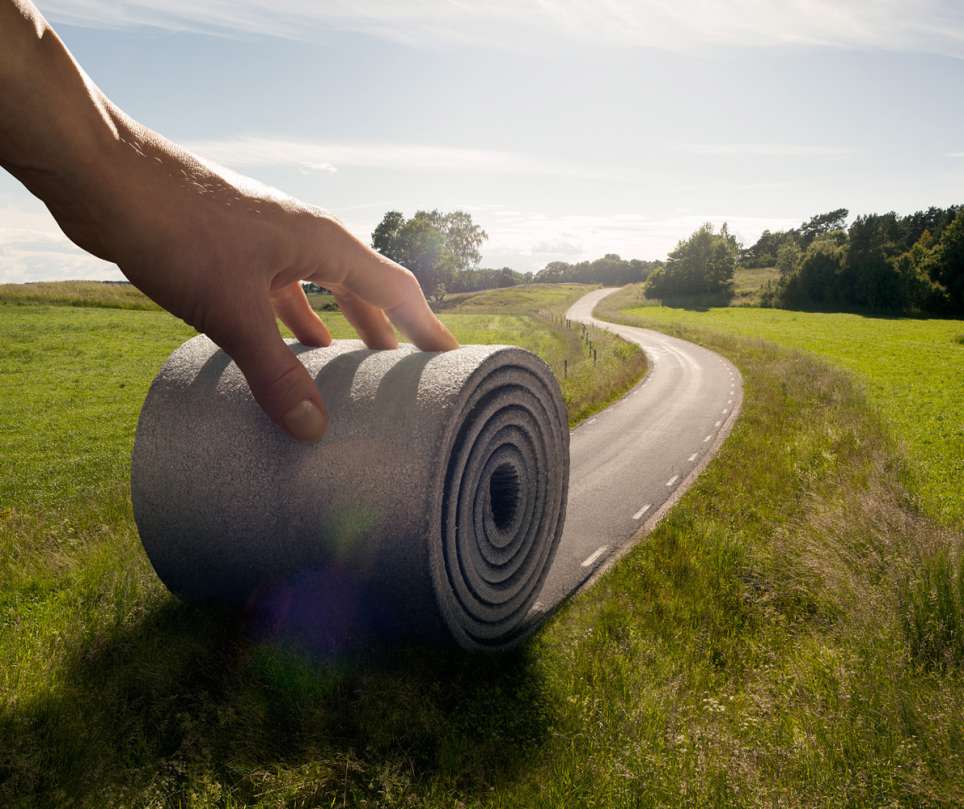
10 inspiring photo manipulation by Erik Johansson

This is no the first time we write about Erik Johansson and his extraordinary ability to photo manipulate daily life scenes. Erik  is a full time photographer and retoucher from Sweden.

Erik doesn’t capture moments, he capture ideas in the form of little pieces which he later turn into an imaginative photo manipulation.

We included 10 inspiring works from this digital artist as well as video from Erik who explains how he goes about to create such images. It is definitely worth a watch!
Erik Johansson | Art-Pie Erik Johansson | Art-Pie Erik Johansson | Art-Pie Erik Johansson | Art-Pie Erik Johansson | Art-Pie Erik Johansson | Art-Pie Erik Johansson | Art-Pie Erik Johansson | Art-Pie Erik Johansson | Art-Pie Erik Johansson | Art-Pie

Find out how Erik does it!

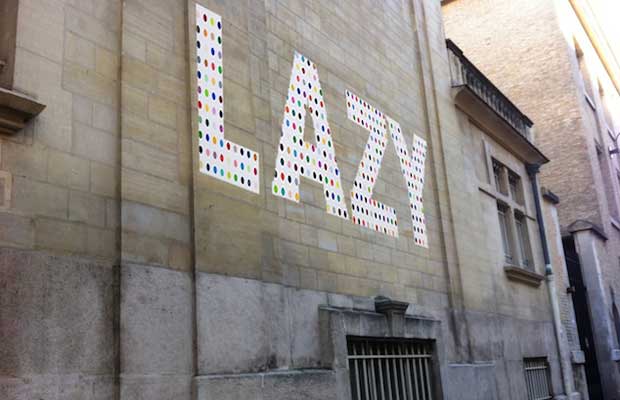
Look Damien Hirst, I bet you have not done that

Damien Hirst must be used to getting all sort of good and bad criticism by now and although he has got simultaneous show all over the world right now and therefore is regarded as a major player in modern art, I can’t help to think that his latest spots series does not deserve all the fuss currently going about it.

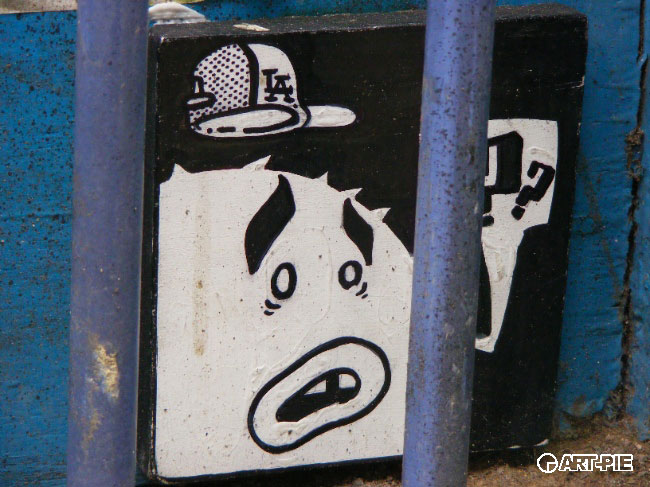
What best to describe how I feel that this street art piece “lazy”. No need to say more.

Photo by Laurence Billiet
Seen on Vandalog

LAZY

Banksy new pieces in Los Angeles

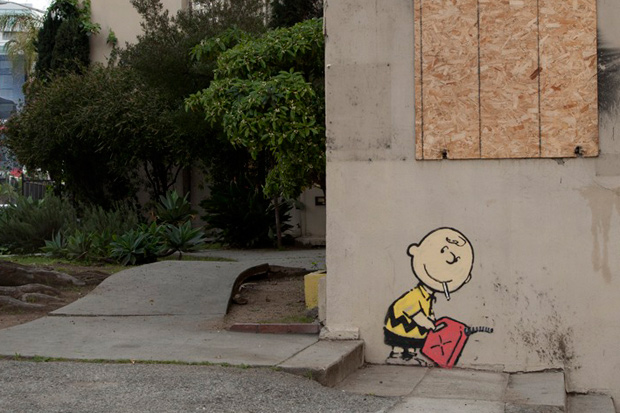
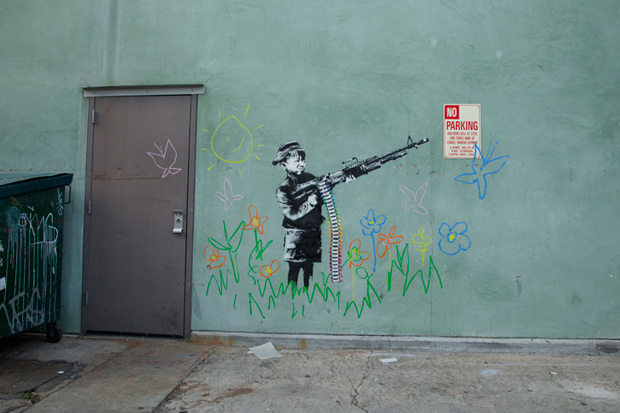
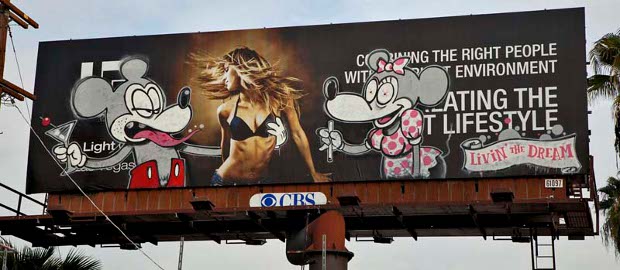
Everybody is talking about so it would be almost rude not to feature the three new pieces Banksy has just dropped in Los Angeles.

The first piece depicts Charlie Brown holding a gas can, this piece was dropped on what looks like a house that burnt down. The second one is a child holding a gun and firing crayons.

And the most recent and probably the bolder one can be spotted on Sunset Boulevard and features the vision of the artists on Mickey and Minnie Mouse.

We will all have understood here that Banksy is preparing the ground for the upcoming Oscars.

Banksy in Los Angeles

Confronted with Castration: Edward Kienholz’s "Five Car Stud"

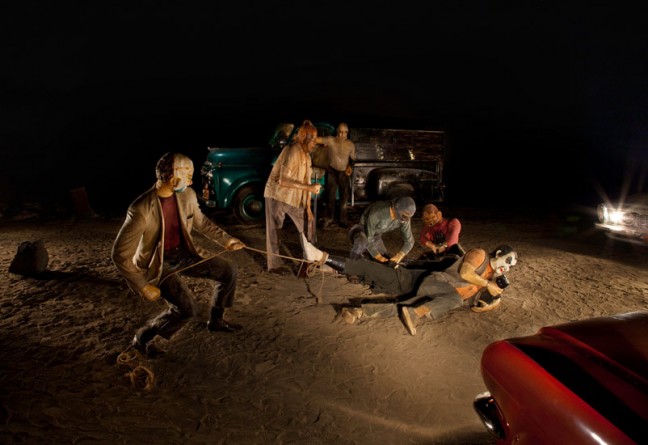
Edward Kienholz’s Five Car Stud depicts a horrific scene of racial violence during the civil rights era. Actually, the term horrific does nothing to illustrate the nauseating effects of this life-size interactive work currently on display at the Los Angeles Contemporary Museum of Art.

The piece is set up in a darkened room with a sandy dirt floor.  Five cars form a circle, illuminating the focal point of the work with their headlights.  Life-sized, white male figures stand next to their cars menacingly wielding batons and other weapons.  One man holds a shotgun at his side.  Clown-like masks and sagging skin cover their faces. The eyes are hollow and insipid, yet smirk at inflicting pain upon another human.

The sense of entitlement emanates not only from their facial expressions, but also from the positions of the bodies and the looming presence of each of these men.  Garbed in jeans with the ruddy faces of moonshine alcoholics, they abuse and castrate another man, lassoing his foot like cattle, simply due to the color of his skin.

The victim lies in the center of the scene flanked by two men gripping his arms.  Instead of casting an entire figure, Kienholz installs a rectangular trough in place of his torso.  He filled the trough with water and six wooden alphabet blocks, two of the same letter, floating around, and leaving the viewer to piece together their meaning.

Kienholz spent three years working on this project between 1969 and 1972 during the height of civil rights era when activists had reached some victories for desegregation.  However, through his depiction viewers realize that prejudice and unfounded bias continue to infiltrate society.

Kienholz is best known for using found objects to create jarring sculptures that comment on social issues within the United States.  He created this work shortly before he relocated to Germany where it first appeared publicly.  A private collector acquired the work and for 40 years it remained in storage.  Los Angeles County Museum of Art is the first to display the work in the United States.

I do not exaggerate the gravity of this work. Guards stand at the doorway advising parents against allowing their children to witness it.

The pictures cannot convey the deeply unsettling feeling evoked by the piece. Perhaps it is the blatant intolerance, the flagrant violence, or simply the knowledge that things have not changed enough.  Whatever the reason, whatever the effects, Kienholz has created a penetrating work that shocks viewers with its content but awes with the undeniable skill and ingenuity it took to mastermind.

10 ‘surreal’ GIFs related to Salvador Dali & his art

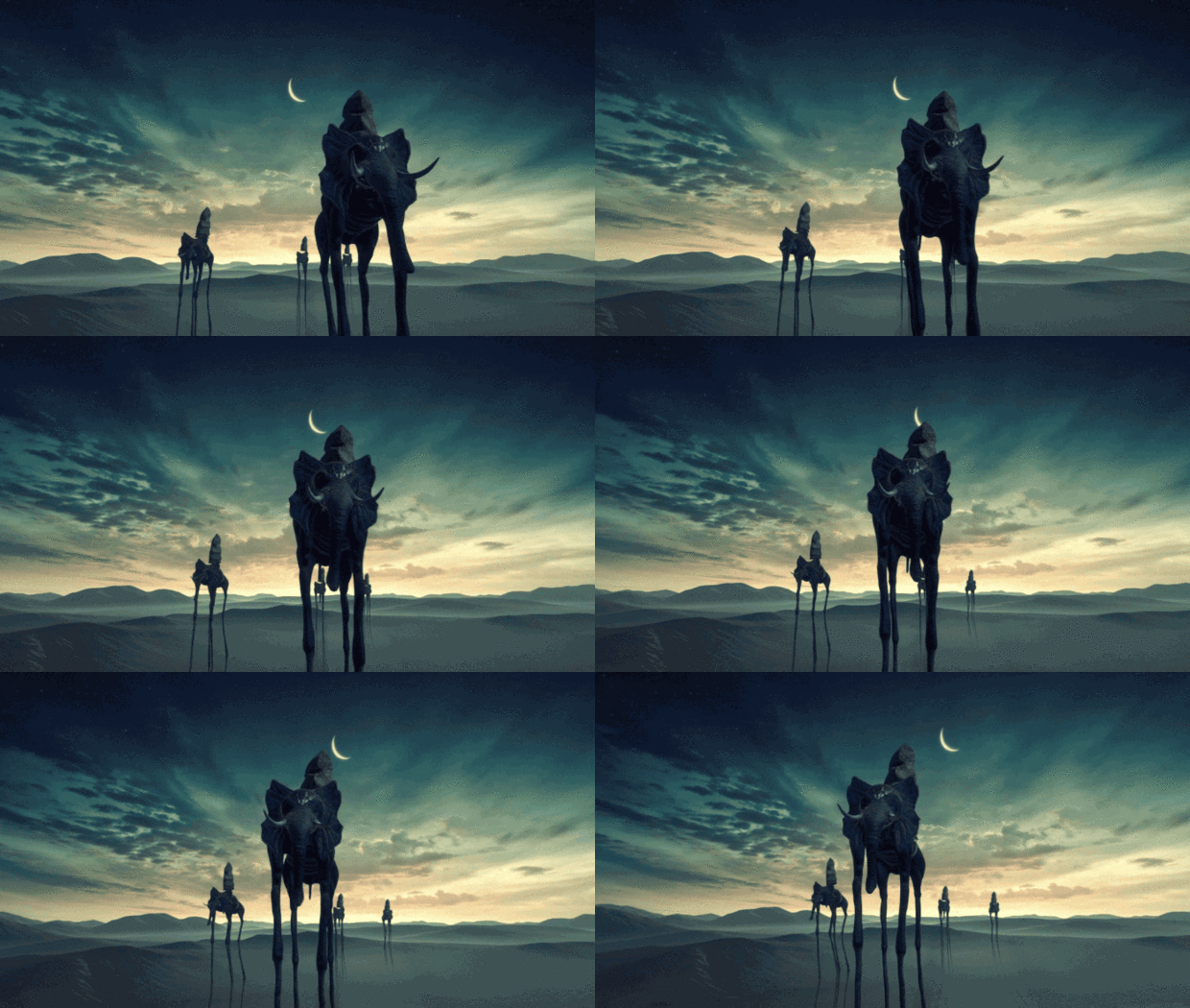
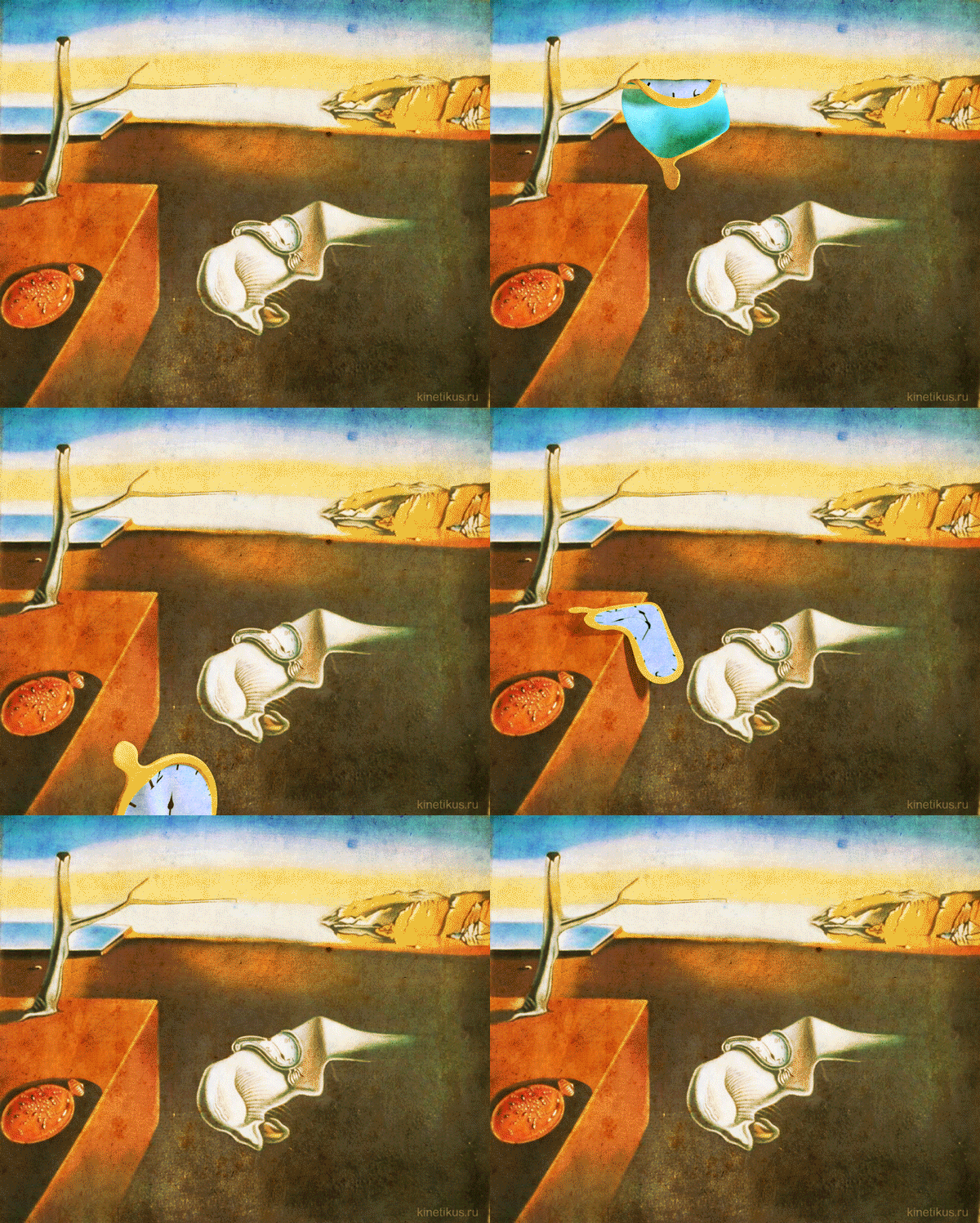
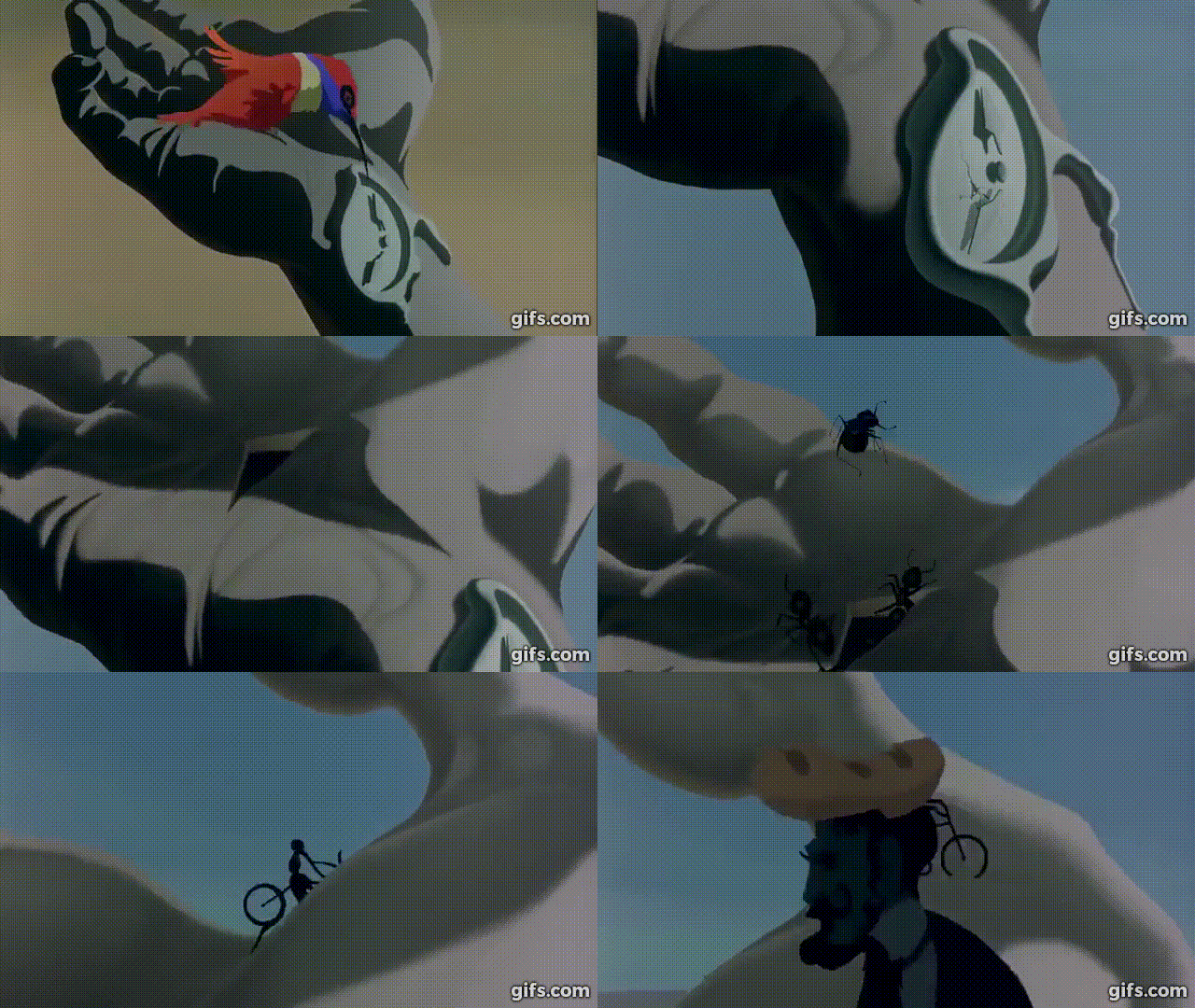
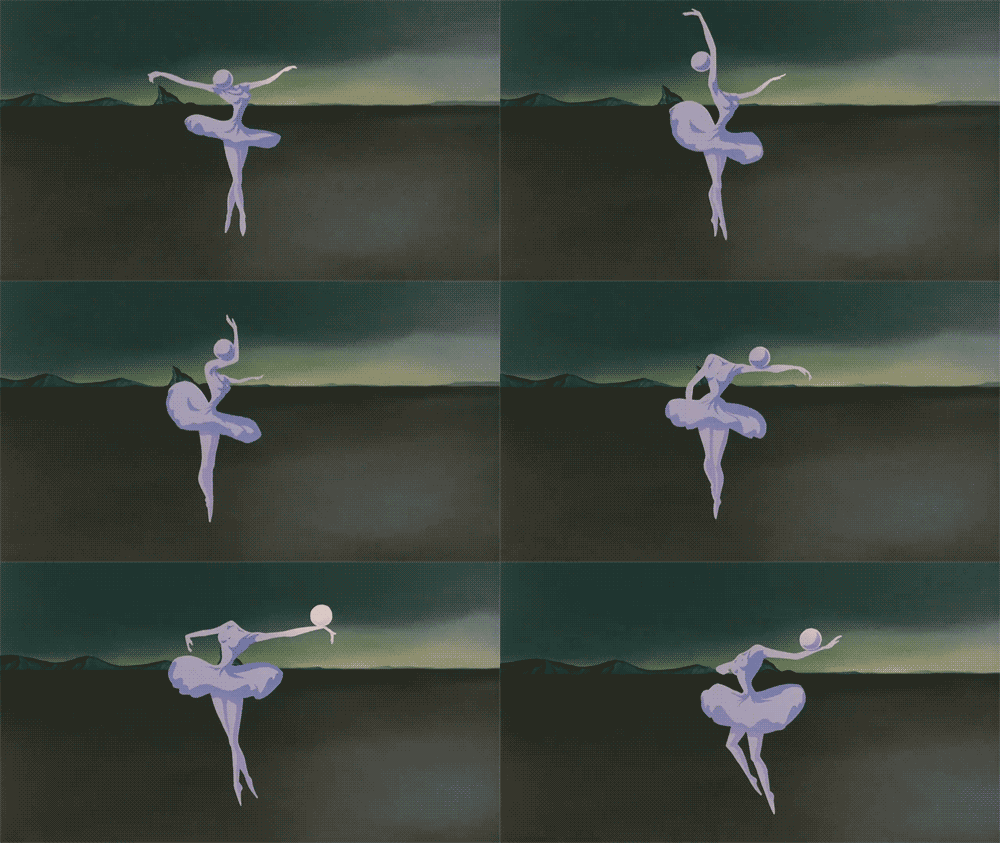
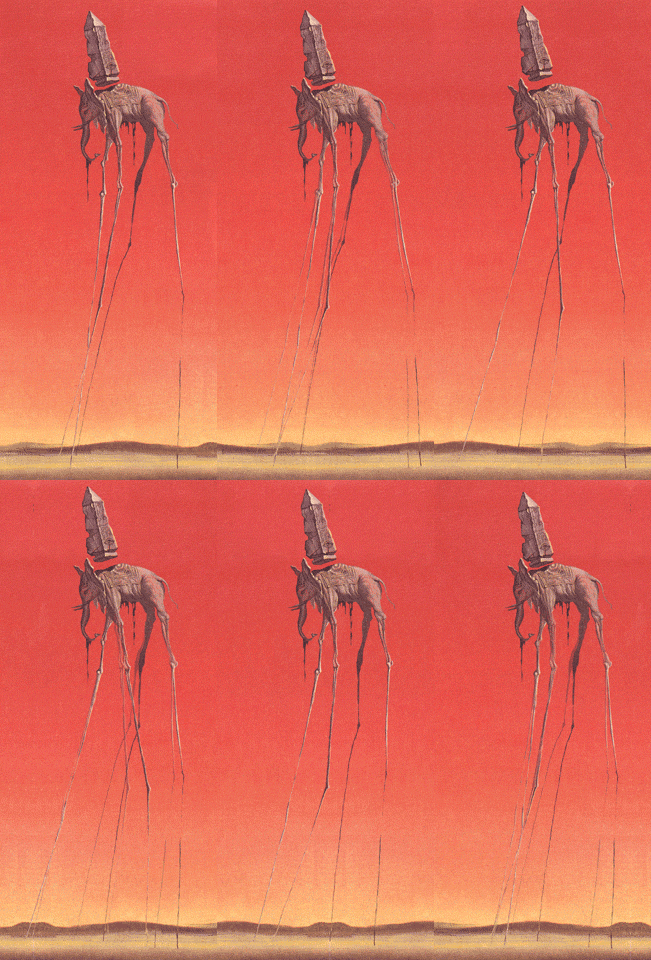
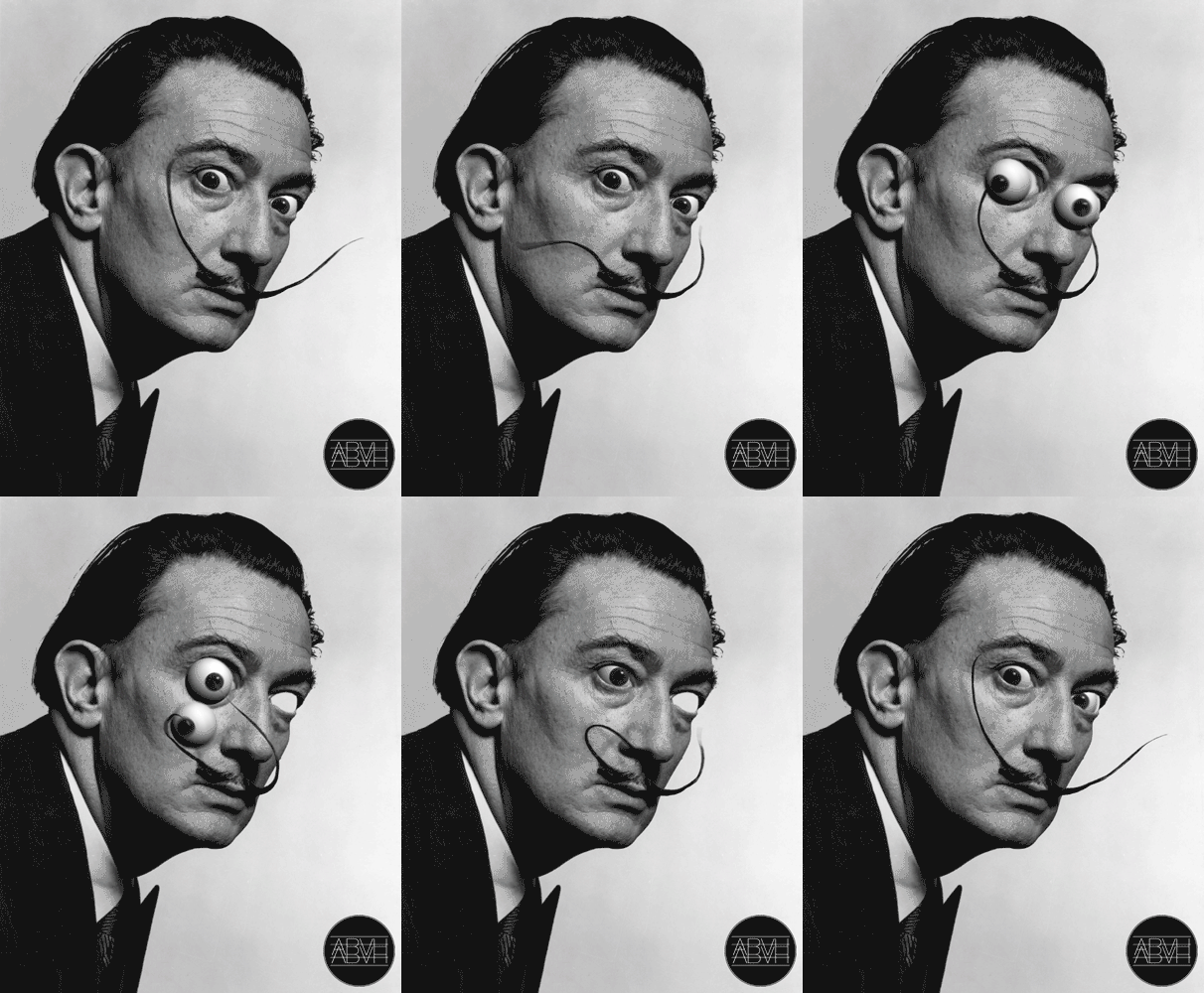
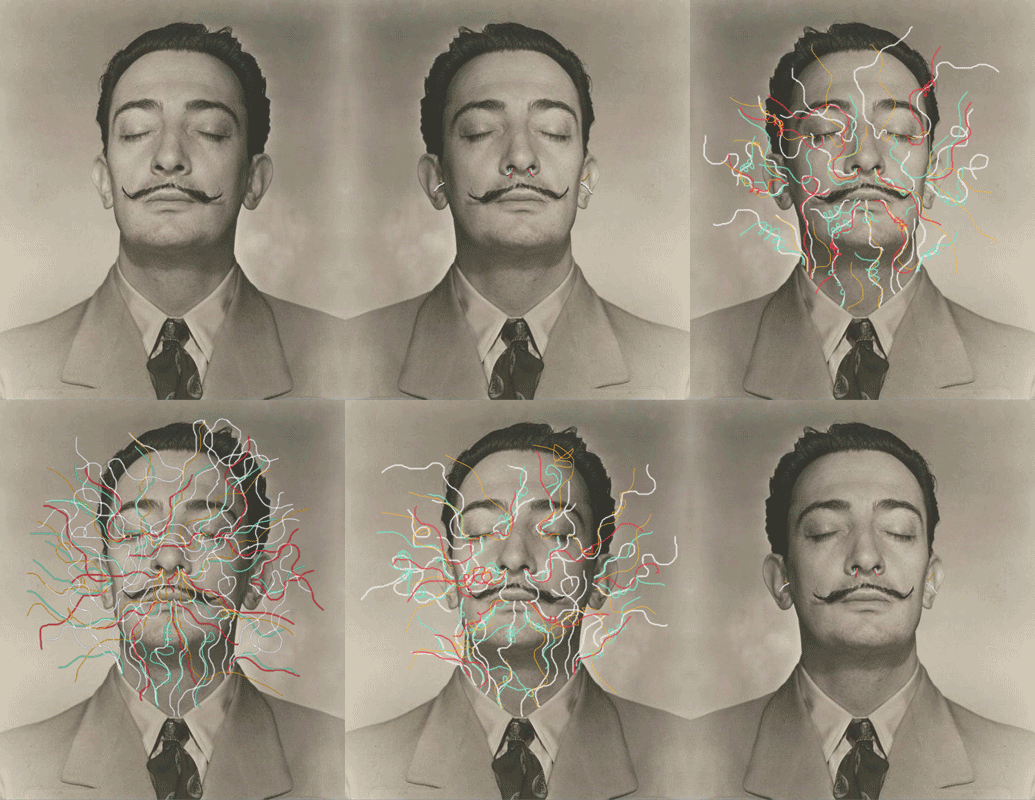
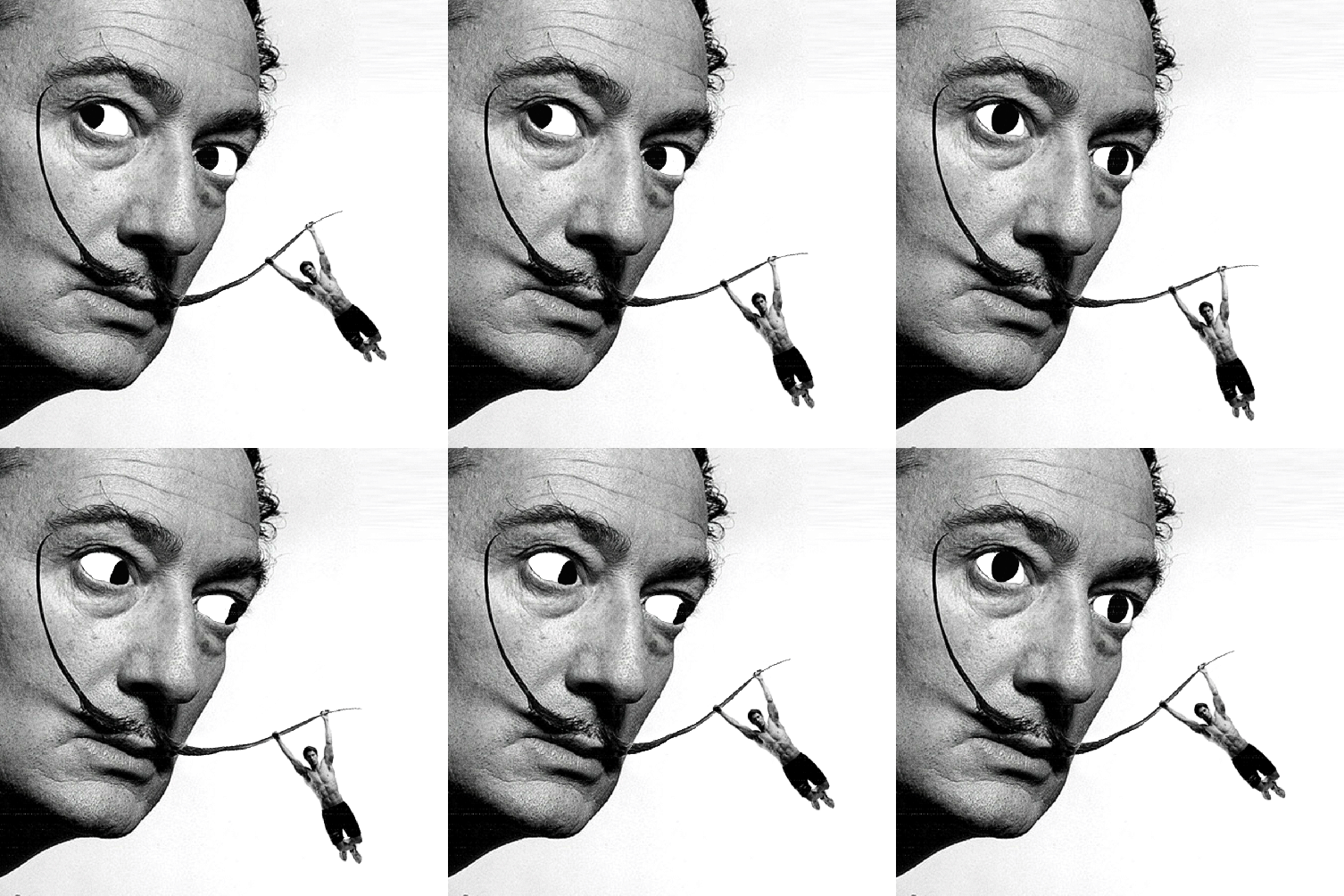
We love animated GIFs as well as Salvador Dali so here is 10 animations we found combining the two. Enjoy

Salvador Dali | Art-Pie Salvador Dali | Art-Pie Salvador Dali | Art-Pie Salvador Dali | Art-Pie Salvador Dali | Art-Pie Salvador Dali | Art-Pie Salvador Dali | Art-Pie Salvador Dali | Art-Pie

About Salvador Dali

Salvador Domingo Felipe Jacinto Dalí i Domènech, Marqués de Dalí de Pubol (11 May 1904 – 23 January 1989), known as Salvador Dalí (Catalan: [səɫβəˈðo ðəˈɫi]; Spanish: [salβaˈðoɾ ðaˈli]), was a prominent Spanish surrealist painter born in Figueres, Catalonia, Spain.

Dalí was a skilled draftsman, best known for the striking and bizarre images in his surrealist work. His painterly skills are often attributed to the influence of Renaissance masters. His best-known work, The Persistence of Memory, was completed in August 1931. Dalí’s expansive artistic repertoire included film, sculpture, and photography, in collaboration with a range of artists in a variety of media.

Dalí attributed his “love of everything that is gilded and excessive, my passion for luxury and my love of oriental clothes”to an “Arab lineage”, claiming that his ancestors were descended from the Moors.

Dalí was highly imaginative, and also enjoyed indulging in unusual and grandiose behavior. His eccentric manner and attention-grabbing public actions sometimes drew more attention than his artwork, to the dismay of those who held his work in high esteem, and to the irritation of his critics.

STREET ART ENCOUNTERS