Banksy new pieces in Los Angeles – part2

This is the follow up of the first set of new pieces from Banksy spotted in Los Angeles last week, read about it here

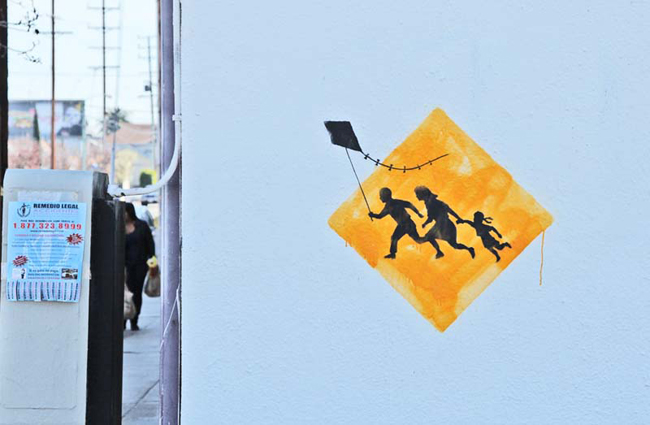
Two more pieces can be now seen in L.A. One is located not far from the USC campus and depicts what looks like a family running with a kite, understand here the comparison with the illegal immigrant caution signs that can be seen along the Mexican border.

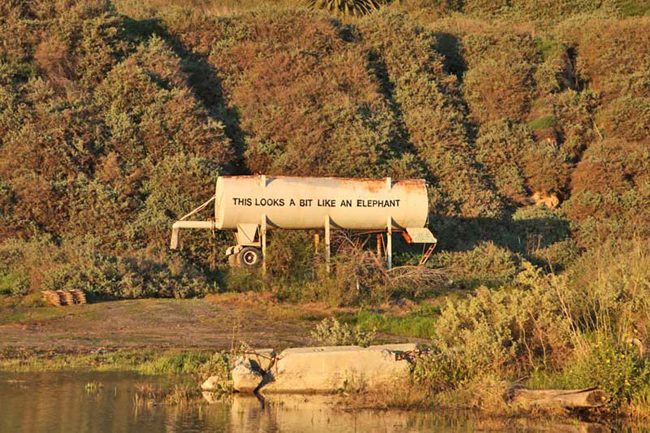
Another quite quirky piece has been done on an abandoned oil tanker. A simple message says on it – This Looks A Bit Like An Elephant

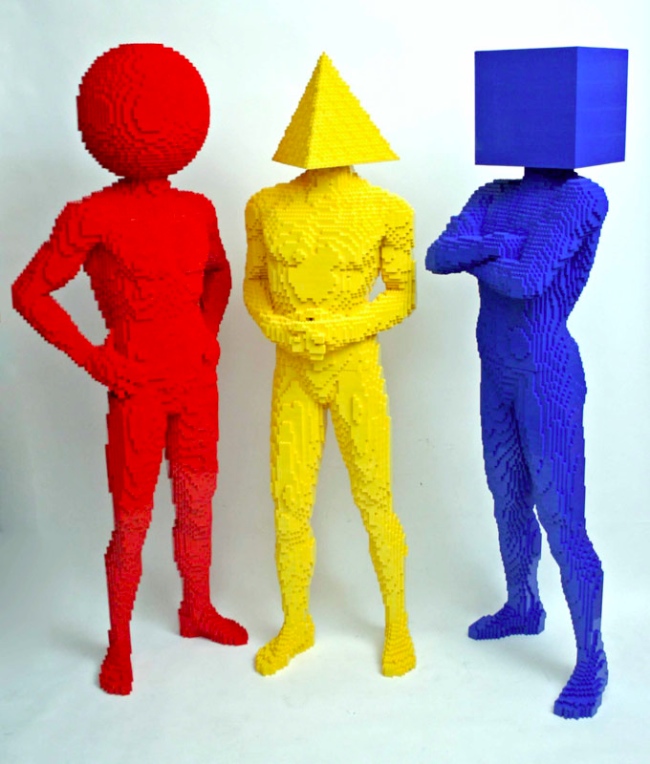
Lego art: be prepared to be amazed

When Ole Kirk Christiansen came up with the idea of that brick we call LEGO, I can say with confidence that he was most probably miles away from thinking that one day, people all aver the world would use his brick, and in some cases, ton of them to create pieces of art.

There is even today some sort of art movement that has sprung. How about that?

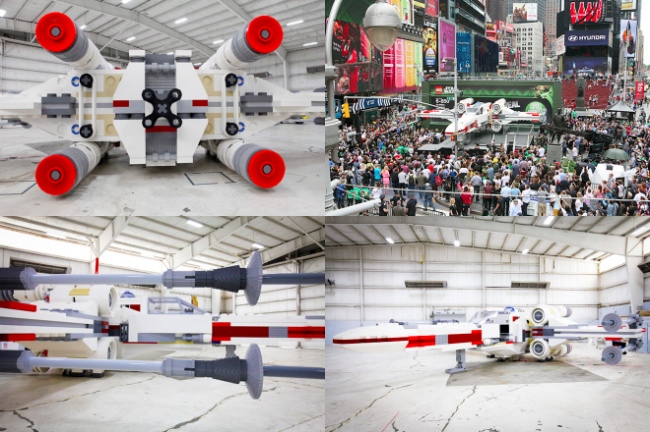
One very recent example of the frenzy that surrounds LEGO and art can be this life-sized Star Wars X-Wing fighter that was made from 5,335,200 individual bricks. Yes you heard it, over 5 millions of brick were used. It was 11 feet tall, 43 feet long 44 feet wide, and weighed almost 46,000 pounds. This is, as of today the largest model ever built.

Brick X wing | Art-Pie

But while some art purists may argue that the Brick X Wing is not really art but more a clever engineering poroject, and we would tend to agree, some other artists we feel, have really taken the brick and turn into an art medium.

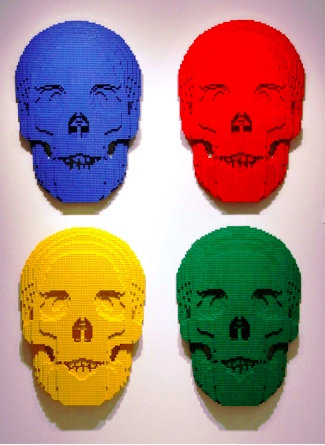
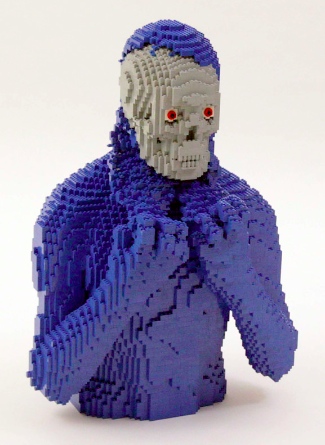
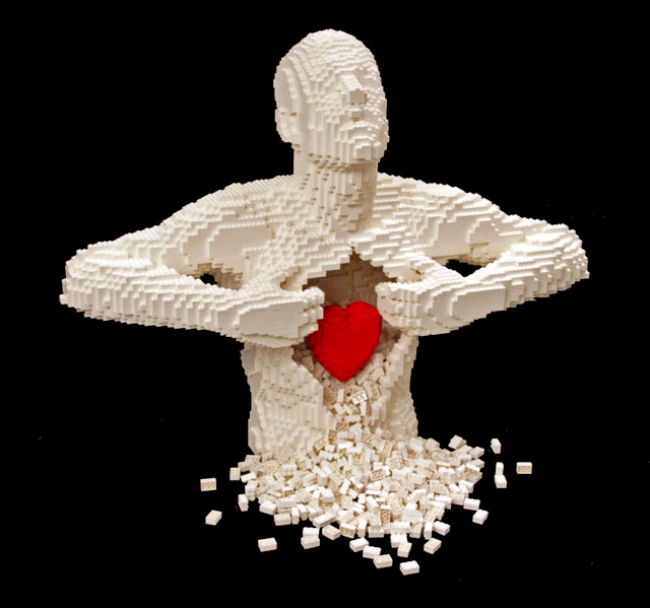
Nathan Sawaya is certainly one if these artists (we already published something about him) and has gained a recognisable art LEGO style with his Dali-esque statues that are intricate and perception-bending. We have included some of Nathan Sawaya’s works at the bottom of this post.

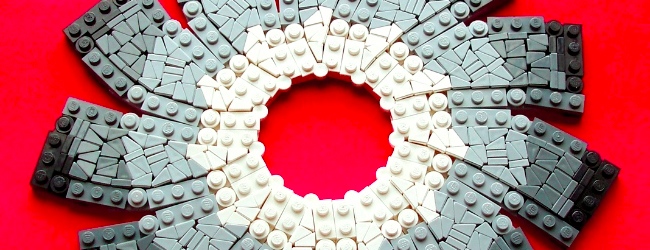
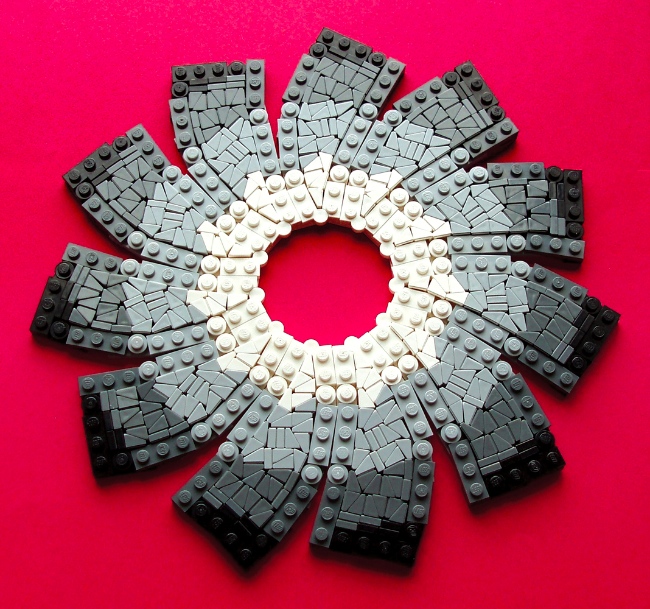
Other interesting artists are Katie Walker who builds mosaics, we have included one example below.

Katie Walker
Katie Walker LEGO | Art-Pie

Nathan Sawaya
Nathan Sawaya | Art-PieNathan Sawaya | Art-Pie

Nathan Sawaya | Art-Pie

Nathan Sawaya | Art-Pie

Gordon Cheung’s at Edel Assanti gallery

This is it. It is lunch and I am craving, not food, but a good art show to go and check out, preferably a short distance from the office.

I quickly gathered my thoughts and here I am on my way to Zari gallery on Newman street (London) or this is where I thought I was going, should I rather say.

I stand there now and as I look up, I realise that I am in front of a gallery called Edel Assanti (the galleries are next to each other but I had never realised there were two separate ones until that day).

As I step in the gallery, I cannot help but noticing the simplicity and sobriety of the venue, which is not a bad thing at all, since it enables the viewer to focus only on what matters – the artistic output from the current show.

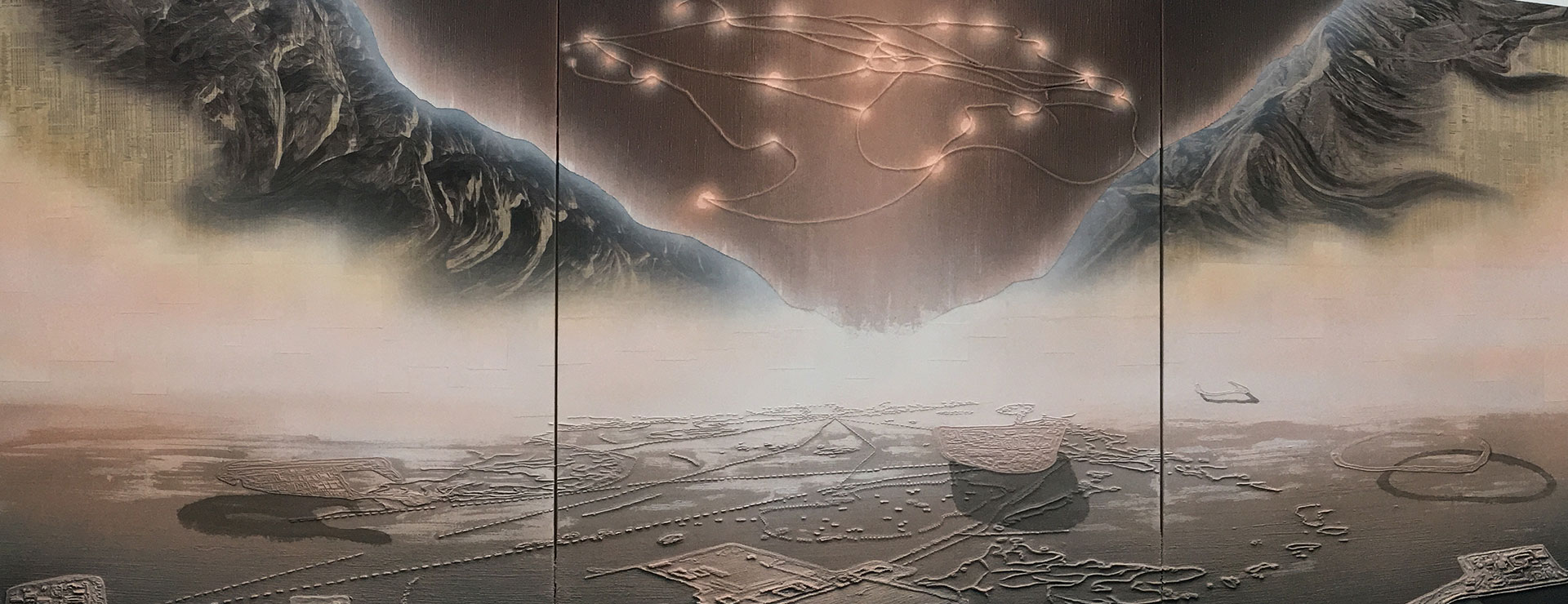
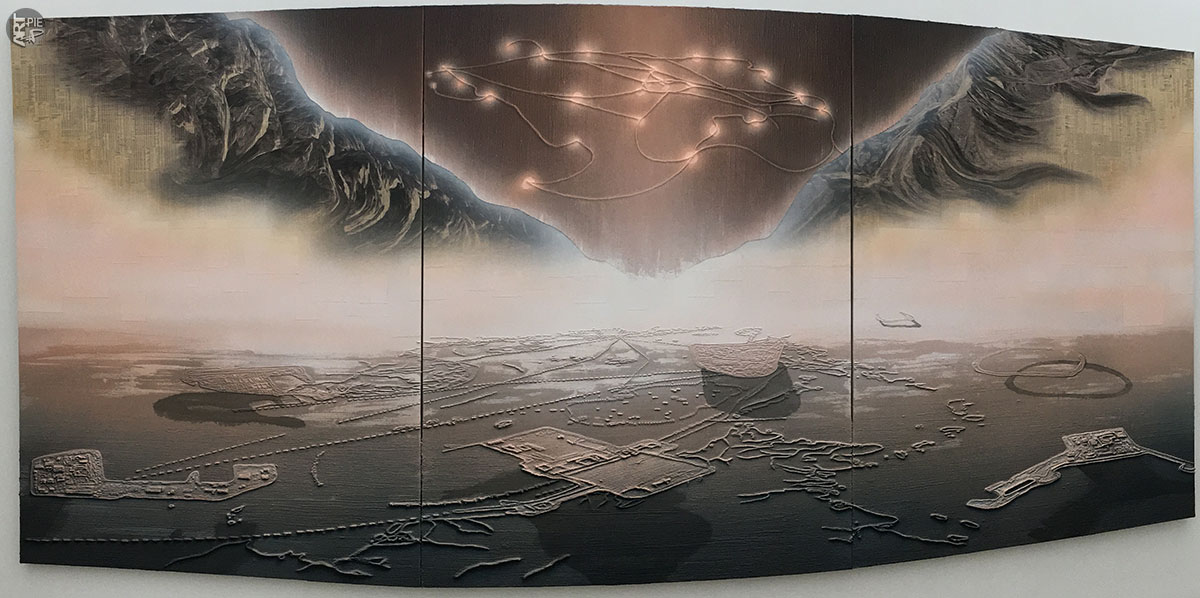
A quick nodding to the gallery assistant and here I am, almost trotting towards the back of the gallery to look at ‘Great Wall Of Sand‘.

Gordon Cheung Unknowns Knows at Edel Assanti gallery | Art-Pie
Great Wall Of Sand (Click to enlarge)

This very large piece drew my attention right away, because all large pieces usually do, but also because I could not make out what I was looking at from far.

I still can’t.

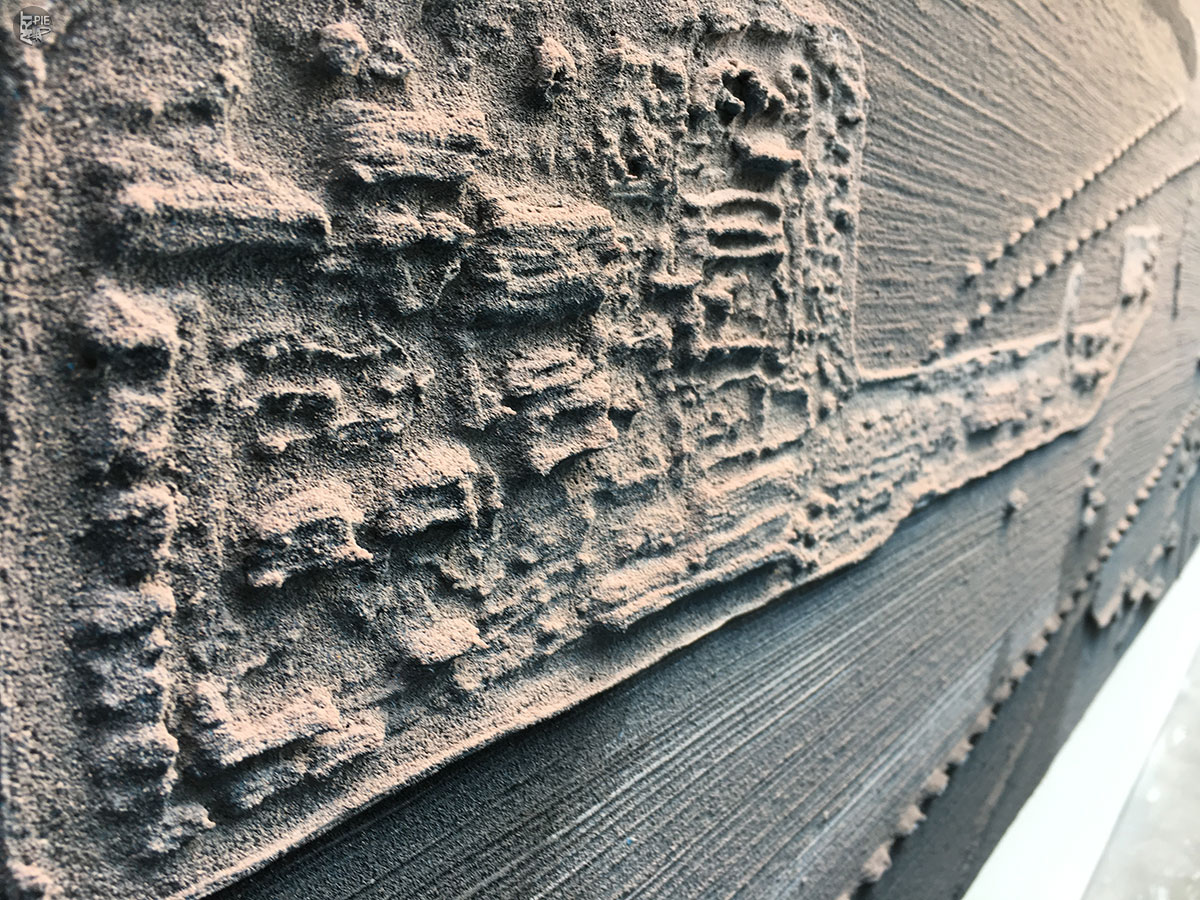
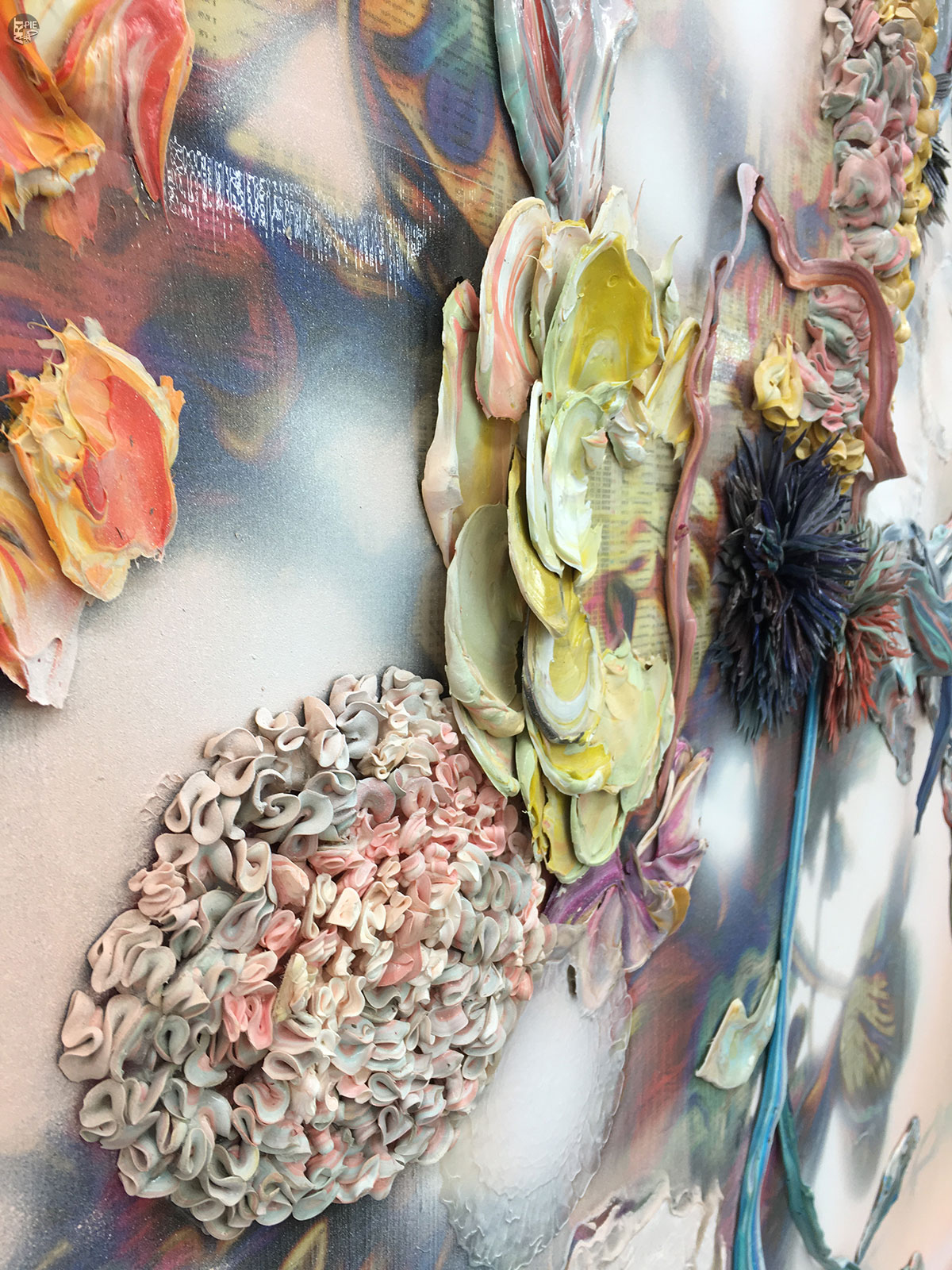
Now, what really needs your attention is the relief in this piece, which you cannot figure out at first but come closer and closer and you’ll see that actual sand (see below) is included in Gordon Cheung’s work.

Gordon Cheung Unknowns Knows at Edel Assanti gallery | Art-Pie

Samples of what looks like newspapers also help to make up some of the background of this artwork.

A beautiful and dreamy piece.

Gordon Cheung Unknowns Knows at Edel Assanti gallery | Art-Pie

Alongside the large pieces (of what looks like sceneries – more pics below), 2 other different types of works are on display –

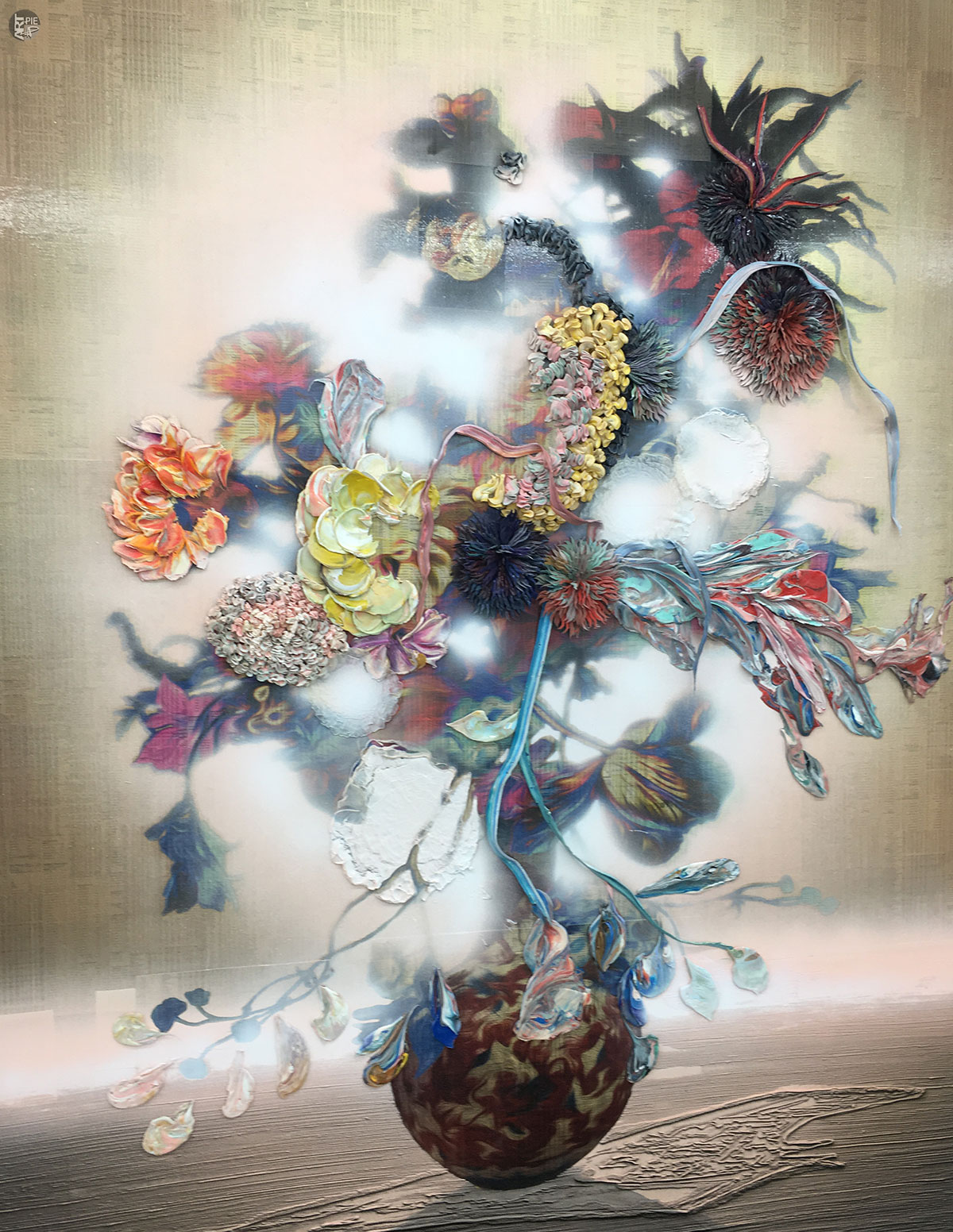
The first one is using plain pigment paste (and later painted on) and stuck sand on canvas again (see previous post) and depicts flowers in a vase like I have never seen it before. Although, the aesthetics of the piece did not wow me, I can appreciate the various technics and the ‘refreshing’ take on such a subject.

Gordon Cheung Unknowns Knows at Edel Assanti gallery | Art-Pie

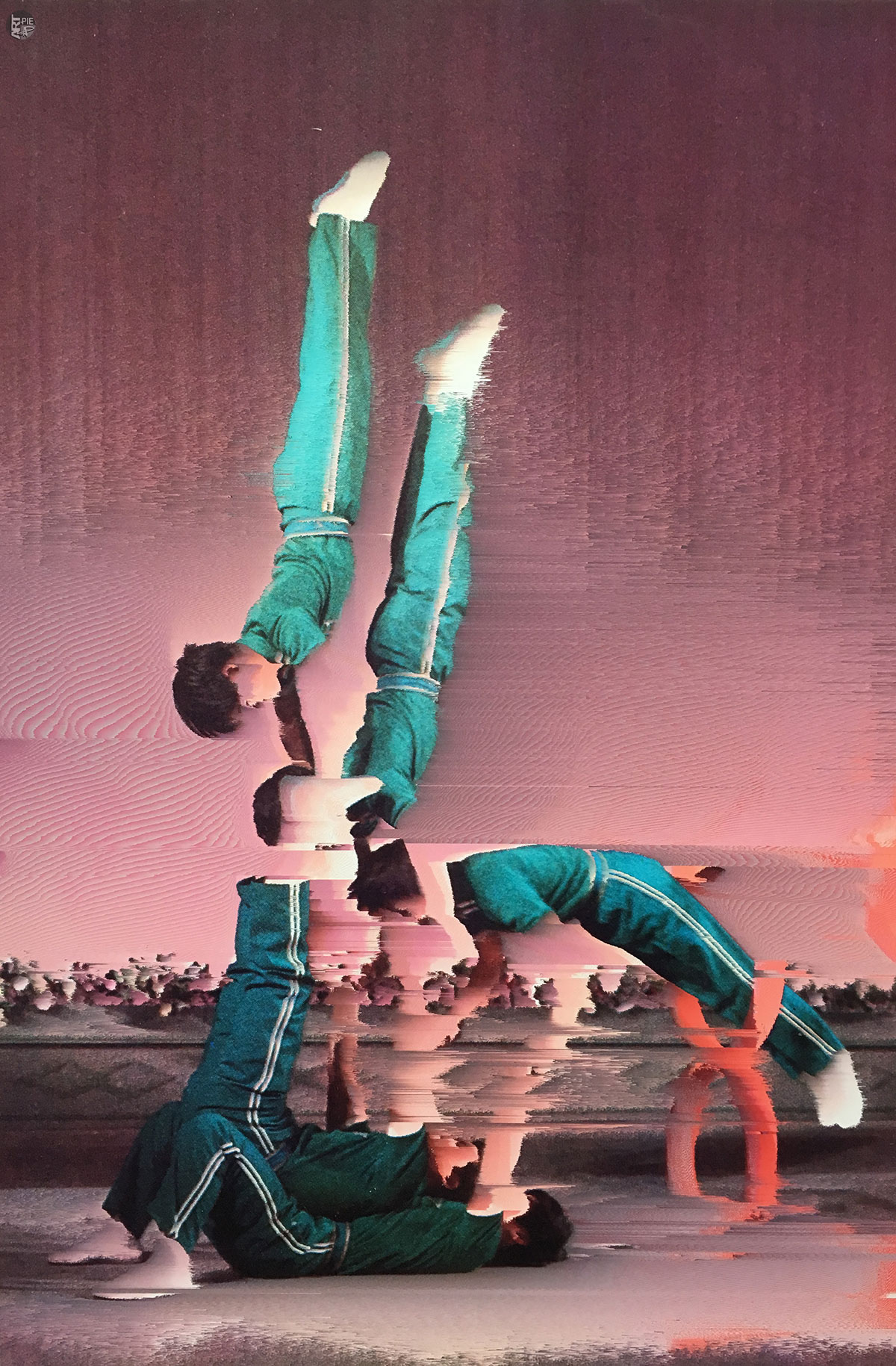
The second type of work is radically different with the rest and is a series of what may look like collages. It also reminds me of some times where you watch TVs and the signal gets weak – you know what I mean I am sure.

I must have been distracted by the other type of artworks in this show, since as I was going through the photographs I took, I felt urge to go back and have another look at those.

Gordon Cheung Unknowns Knows at Edel Assanti gallery | Art-Pie

Last time we saw Gordon Cheung’s works was 7 years ago and we are glad to see that the artist is still pushing the boundaries as much as in terms of the colour palette he used than disrupting the usual and common perception of a painting being flat

More – http://edelassanti.com/artists/33-gordon-cheung/exhibitions/

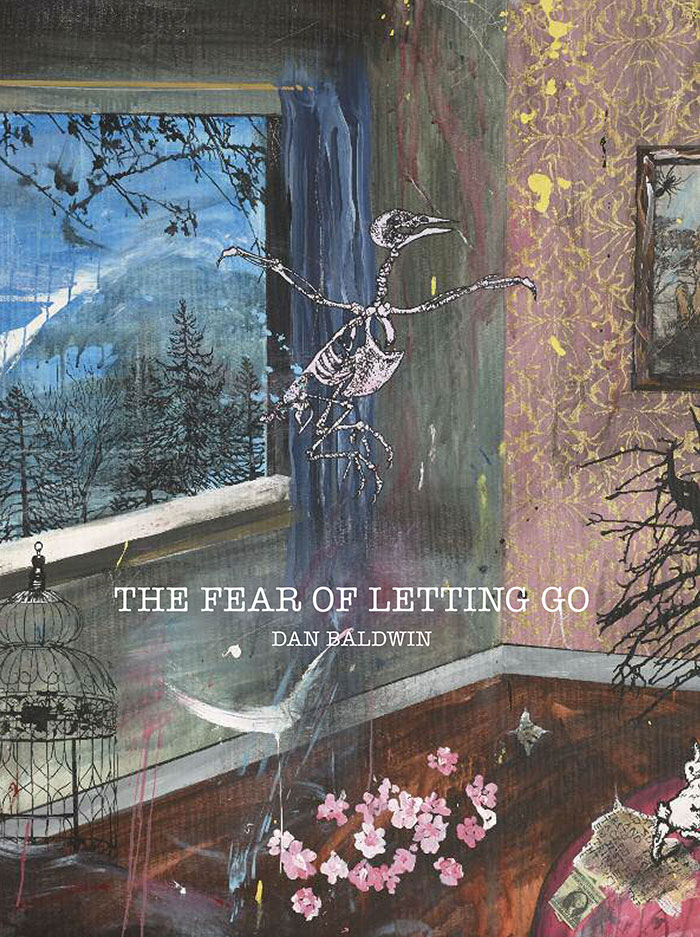
Dan Baldwin’s new show ‘The Fear Of Letting go’ at Lawrence Alkin gallery

'The Fear Of Letting Go' by Dan Baldwin | Art-PieIn conjunction of Dan Baldwin’s new show, ‘The Fear of Letting go‘, we are offering a copy of the book that the artist is simultaneously releasing.

Entitled ‘The Fear of Letting go’, you will find all the artworks from the show and more. Last but not least, Dan will sign the book!

To win this book, you just need to subscribe to our newsletter by filling out the form below.

Fear not, if you are already subscribed, just share this article on your favourite social media platform (use the buttons at the top of this article)

About the show

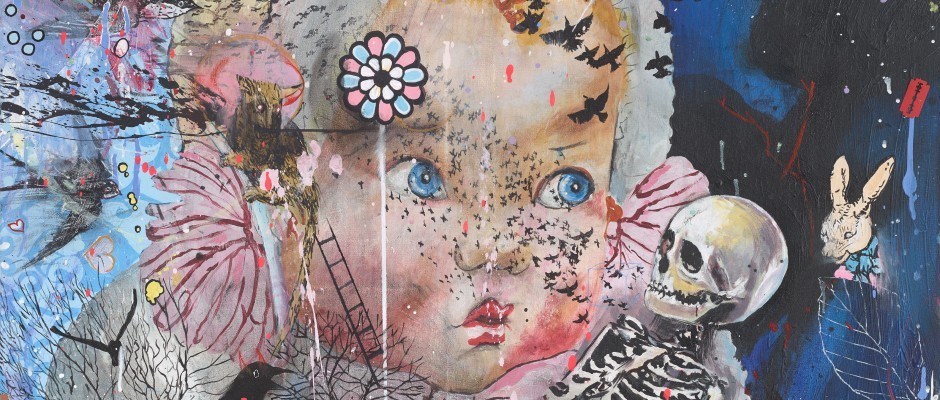
The Fear of Letting Go’ charts a new direction in Dan Baldwin’s creative practice. His approach to making this new work is more structured and, for the first time ever, Baldwin is planning and constructing his paintings, methodically creating links and dialogues between the different media on show.

Following his sell out New York show ‘The End of Innocence’, this latest collection on display will feature new paintings, bronzes, ceramic vases and original works on paper and wood. ‘The Fear of Letting Go’ will be Baldwin’s most autobiographical and intimate body of work to date.

The work on display successfully retains Baldwin’s signature dense and multifaceted aesthetic, as well as continuing and progressing his engagement with bronze sculpture. His obsession with incorporating found objects and sentimental ephemera is still abundantly apparent as he invites the viewer to delve deep into his past, reassessing feelings of nostalgia.

'The Fear Of Letting Go' by Dan Baldwin | Art-Pie

“This new work is a lot to do with memory, childhood and innocence –
most of the new paintings are contained within a room, or an environment. I’ve always said it’s about life and death, but in this body of work it’s more personal…”
Dan Baldwin

Read the interview of Dan Badlwin by Lawrence Alkin gallery –

WHAT- ‘The Fear Of Letting Go’ by Dan Baldwin
WHERE – Lawrence Alkin Gallery, 42 New Compton Street, London, WC2H 8DA
WHEN – 1st October- 14th November, Monday to Saturday 11am –7pm, or by appointment

www.lawrencealkingallery.com

We will pick up the 50th entrant to this competition as the winner!

So what’s next for the Fourth Plinth?

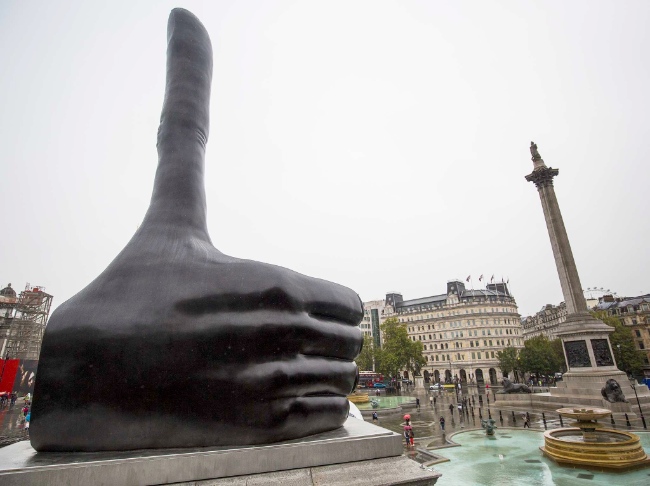
Thumbs Up by David Shrigley | Art-Pie
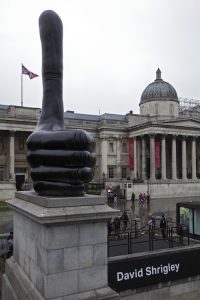
Thumbs Up by David Shrigley

If you have been near Trafalgar Square in London, you must have noticed a 7m high sculpture looking like a thumbs up.

This particular pedestal on the square is called the Fourth Plinth and the current artist showing their works is David Shrigley.

So what’s next for the Fourth Plinth?

2018 & 20 shortlists announced

London’s National Gallery has revealed the five shortlisted proposals for the 2018 and 2020 Fourth Plinth commissions by artists Huma Bhabha, Damián Ortega, Heather Phillipson, Michael Rakowitz, and Raqs Media Collective.

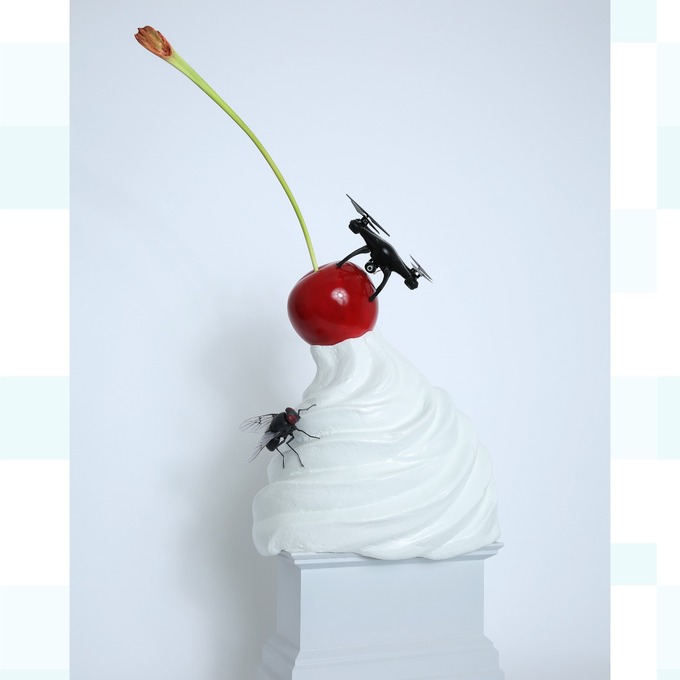
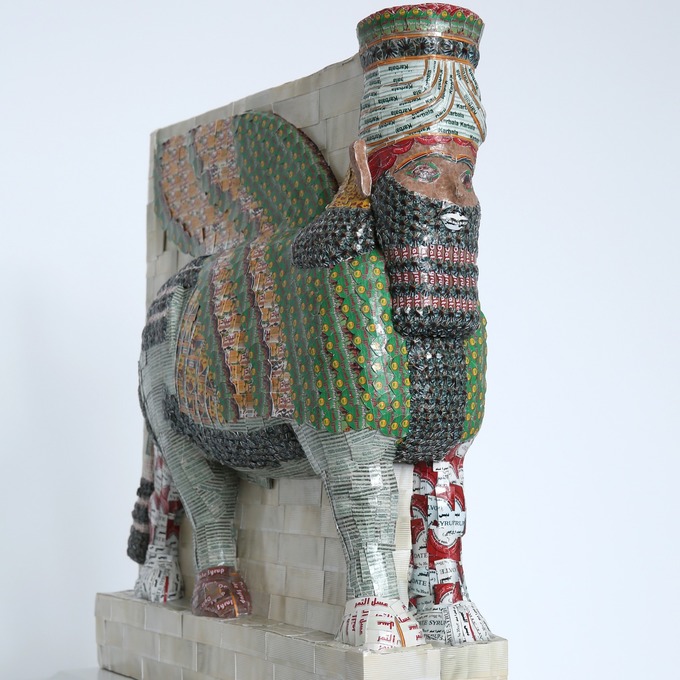
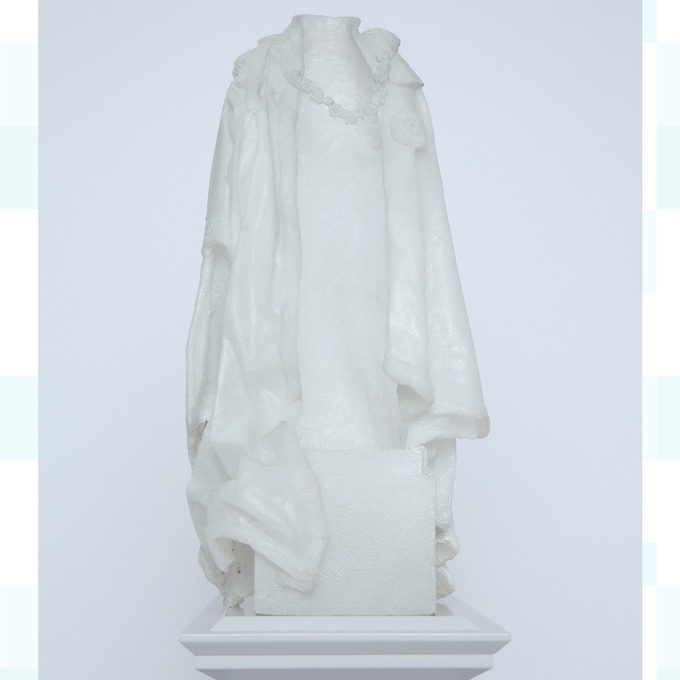
The shortlisted proposals, which are currently on show in the National Gallery’s Annenberg Court until 26 March 2017, include an empty white robe, a recreation of a sculpture destroyed by ISIS, and a scoop of parasite-covered ice cream.

Not long now to find out which two works will be selected to finally stand on the plinth in 2018 and 2020.

Shortlisted sculptures in images

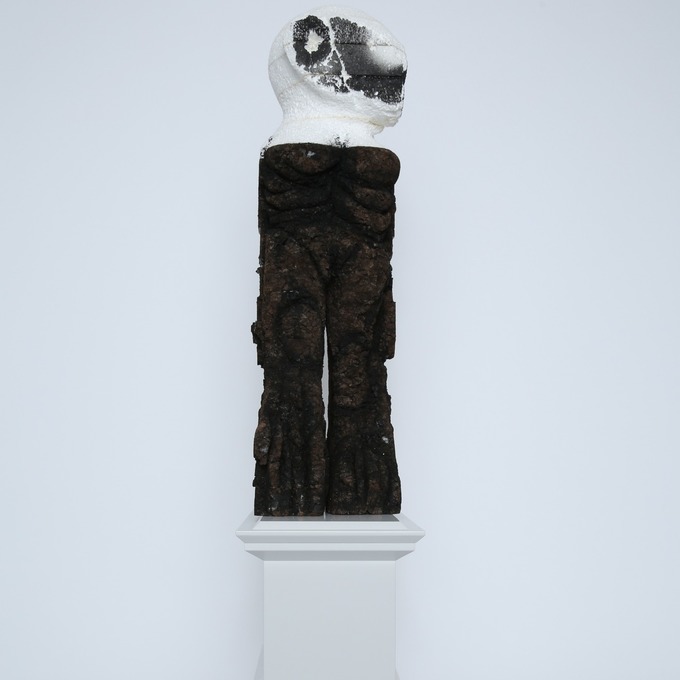
“Untitled” by Huma Bhabha
– an imposing figure, the scale reflecting a modern comic sci-fi movie.

Untitled, by Huma Bhabha | Art-Pie
Untitled, by Huma Bhabha

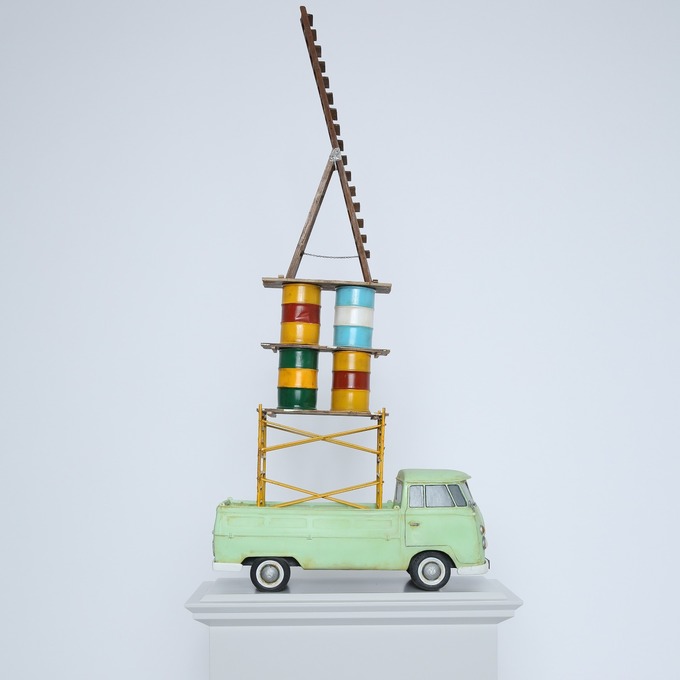
“High Way” by Damián Ortega
– a playful and precarious construction of a truck, oil cans, scaffold and a ladder.

High Way, by Damian Ortega | Art-Pie

“THE END” by Heather Phillipson
– explores the extremes of shared experience, from commemorations and celebrations to mass protests, all while being observed by a drone’s camera.

'THE END' by Heather Phillipson | Art-Pie

“The Invisible Enemy Should Not Exist” by Michael Rakowitz
– a recreation of the Lamassu, a winged bull and protective deity, which was destroyed by ISIS in 2015.

The Invisible Enemy Should Not Exist, by Michael Rakowitz | Art-Pie

“The Emperor’s Old Clothes” by Raqs Media Collective
– explores how power can be both present and absent in sculpture.

The Emperor's Old Clothes, by the Raqs Media Collective | Art-Pie

About the Fourth Plinth

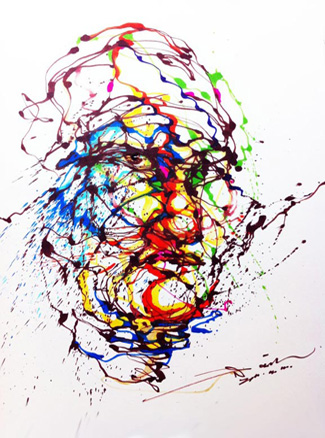
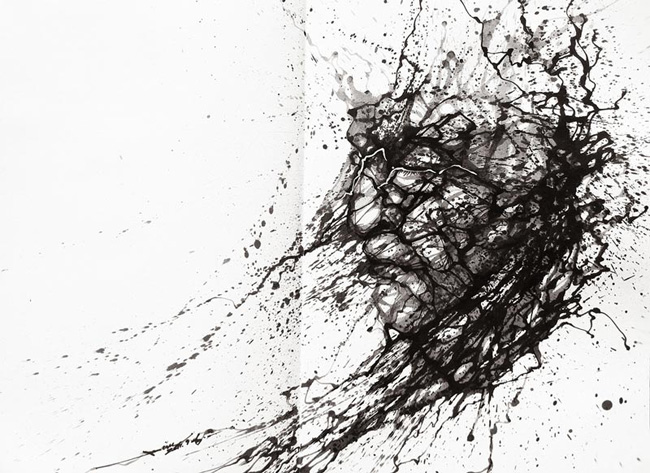
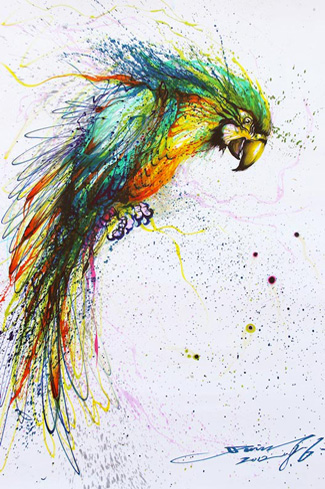
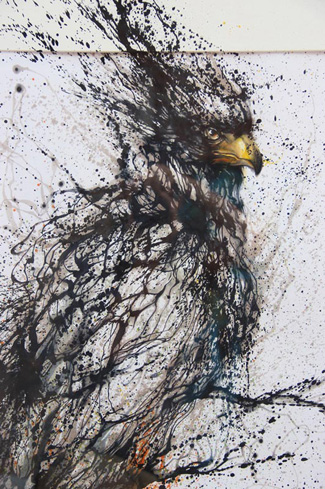
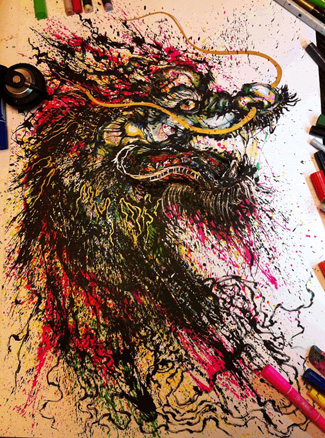
Splatter series from Hua Tunan

Chinese Art has been pushing its way through Europe and America lately and many movements and talents are starting to emerge from it. One of this very skilled and inspiring artists is Chen Yingjie (aka: Hua Tunan) who lives in the coastal city of Foshan, China.

With a background of classical Chinese painting and illustration, Hua Tunan has diverged into a remarkable and unique street art style. His art is a perfect example where two radically different styles – Classic Chinese painting v. Western Graffiti are married to give eye watering results. Hua Tunan would use ink painting, drum rhythms and a variety of cultural symbols.

Pictures of the ‘splatter’ portraits series are shown below. Look closer and what might appear as a splash to you actually reveal a face or shapes. The color palette is another remarkable thing in Hua Tunan art. Thumbs up all round.

Hua Tunan's Splatter series

Hua Tunan's Splatter seriesHua Tunan's Splatter series

Hua Tunan's Splatter seriesHua Tunan's Splatter series

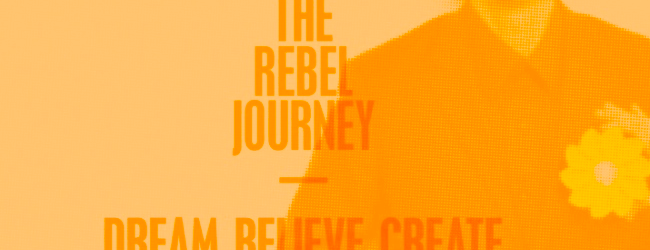
The Rebel Journey, a book by Hogan Rebel

The Rebel Journey by Hogan Rebel | Art-Pie

Hogan Rebel recently released his book Rebel journey: Dream-Believe-Create
, narrating the career of a dozen of famous modern rebels, and defining the founding values of the Hogan Rebel lifestyle collection.

We were asked to look closely at one of these artists, Paola Pivi, to come up with a quote for an upcoming video. You can see the video below.

Here are a few words from the artist herself –

What’s your definition of rebel?
Not a sheep, not a wolf.

Who do you consider rebel?
Somebody who creates their own system.

What’s your dream?
Freedom and peace, which I lost the day I saw somebody was about to abuse a person I love and I started a trial to try to defend him.

In what you believe?
Now that I see on my own skin how unbelievably hard it is to try to stop bad actions in other men, I respect whoever did something like this.Why man creates?To develop our brain.

——-

The Rebel Journey, a book by Hogan Rebel

RECURSIVE on Repetition

RECURSIVE blog banner

I’m very pleased to say

1) I have a new project in the works and

2) Art Pie is again media sponsor!

This project is smaller in scale than This ‘Me’ of Mine, but just as interesting. RECURSIVE explores the inner repetitive thought processes, both ones we’re aware of and ones we’re not. The works in the exhibition show evidence of this recursive thinking in action through the work. My goal for the blogsite is to create a place to discuss what repetition is, how it affects us, and why we’re so drawn to it. So far, that is working really well!

Here’s an example:

janeboyer

Submitted on 2014/05/16 at 1:03 pm

I’ve been thinking of how I feel about the change in repetition, and really, how would I put it into words?I can remember feeling ‘solid’, meaning I knew who I was in relation to where I was and who I was with. Mechanization made communities prosperous, providing most of the work for a local population.

I knew what products I could depend on, where to buy them and how much they would cost. I knew I would need to save money to afford more expensive things I wanted. There was stability in knowing products were readily available and in constant supply. I came home with products I liked in shopping bags. I could smell the production process of tires and toothpaste on the air, knowing they smelled polluting.Now, as someone involved in a digital world, I work where I do not live, I purchase products from all over the world which are shipped to me.

I feel guilty at the thought that less wealthy people than I (and I am not wealthy!) make the clothes I wear and have produced them in a very foreign place in unknown circumstances and at unknown costs to the environment. I feel ‘transparent’ as I share quirky little thoughts on twitter and downright exposed when I post anything on Facebook. I feel impinged by knowing that I can never decide to remove my profile on Facebook. I feel hectic and rushed even though I sit at a table most of my day typing on a keyboard.

I see almost no one, except my husband, throughout my workday. In short, I feel boxed, constrained, observed and strangely non-material in a world that I struggle to comprehend, as my thoughts flit from task to task, page to page, and site to site.

Ian Pickering

Submitted on 2014/05/16 at 4:50 pm

I am not sure that repetition is mechanisation. Farming is repetitive as is much basic craftwork. I am also tempted to suggest that change has always produced a response that things have got worse. Feeling transparent. That is an insight and I understand the idea of being simultaneously connected but isolated.

codedimages

Submitted on 2014/05/16 at 5:17 pm

I recognise your descriptions. I do feel though that I work where I live, but the product of that work is then spread instantly to all parts of the globe and to anyone who cares to take an interest. Working alone is lonely.

I envy those who have a physically located group to associate with and are able to share ideas face-to-face. I don’t know if any of this has repetition at its core though. I do know I would not want to turn the clock back entirely. I feel privileged to be able to discuss ideas with people all over the world.

Being able to find like-minds wherever they might be is a huge plus for the web. On the other hand I need to find a better balance, where at least some portion of time is spent physically co-located with other artists. I will be working on that aspect in the days, weeks, months and years to come.

Kay

Submitted on 2014/05/17 at 1:46 pm

A few thoughts on a great topicI knit and crochet so there is much repetition involved in those actions. By chance I found and continue to find those repetitions creative. The stitching can also have a meditative quality to it, awakening me to the moment.

I don’t expect every repetitive action to have a meditative quality to it however I do recognise actions which are engaging and enlivening and those which have a dulling effect.I have had interesting on-line conversations and got connected to collaborative on-line projects -which I would never have come across without the digital world – I do value them. What I find with digital media is that it is all too easy to get stuck in repetitive actions which don’t lead to anything in particular.

The impact of some digital repetition is to dull / numb the brain. Perhaps that is why we crave the connection with humans who aren’t glued to the screen. The connections can perhaps be more random, intuitive and exploratory.I also think that repetitive digital actions in office spaces are questionable. The assumption seems to be that if people are at the screen they are working and even engaged in their work.

I don’t agree. Humans create and work in a range of ways. As a fellow human I need variety and stimulation through words, textiles and other random moments to develop. This becomes more important as I get older. I work with older people and am obsessed with memory, aging, loneliness and isolation! A few of the comments here refer to people experiencing a sense of isolation even in a world of virtual connections.

I think it is essential to create spaces which integrate the virtual and physical nature of life (I love the makers library network). Isolation is a killer. As a human I want to be awake to this and create repetitions which sustain me and who know others around me.

——

We hope you’ll join us and join in the conversation…

Go to RECURSIVE

STREET ART ENCOUNTERS