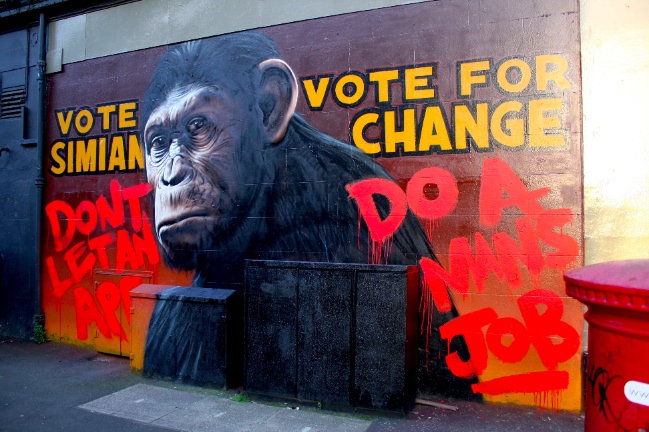
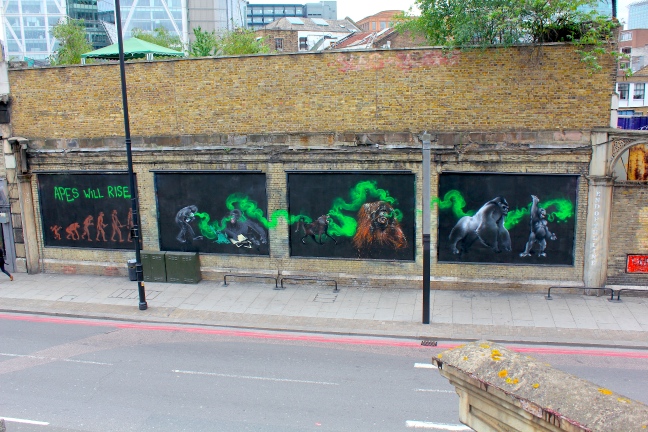
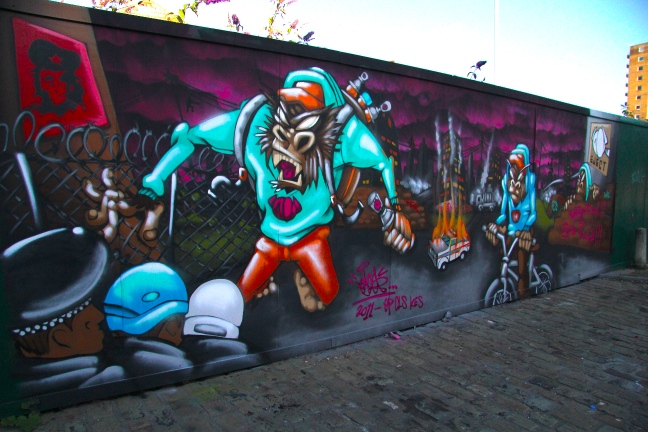
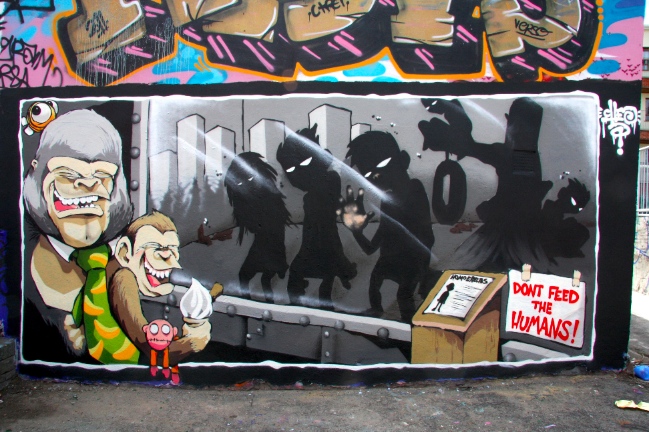
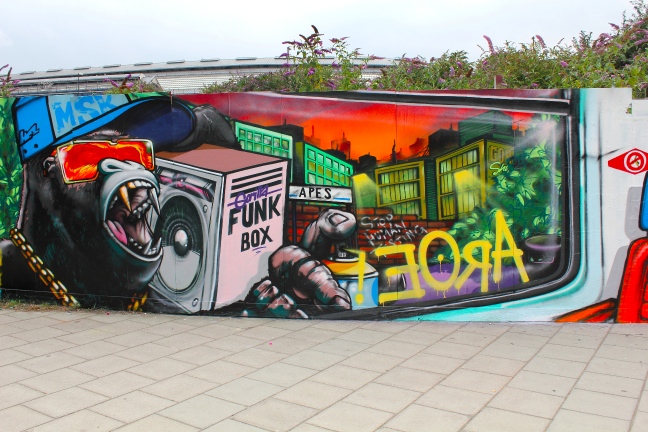
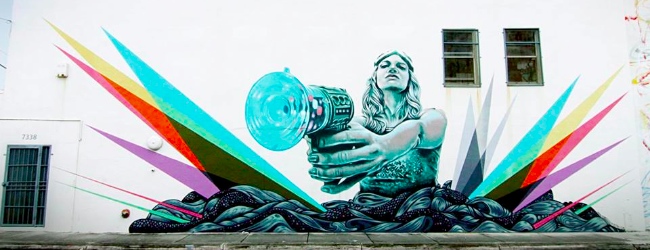
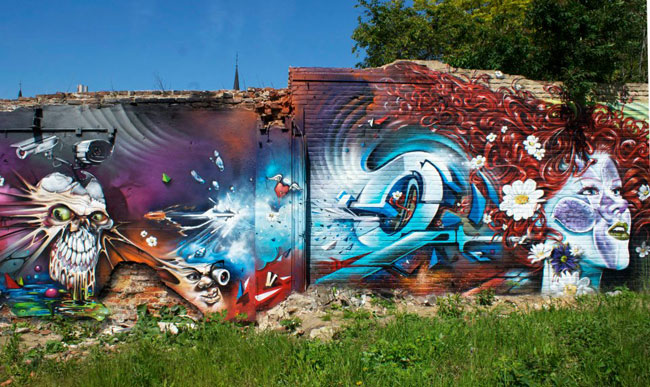
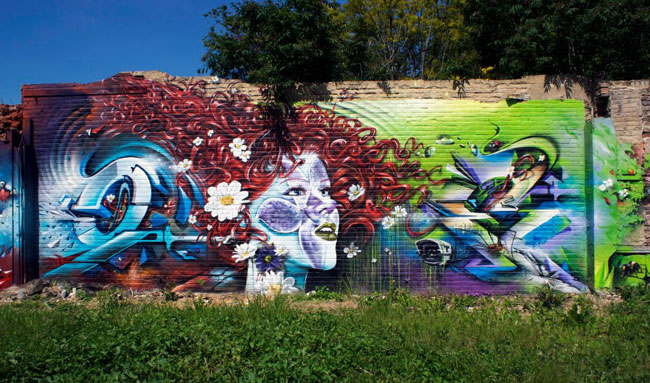
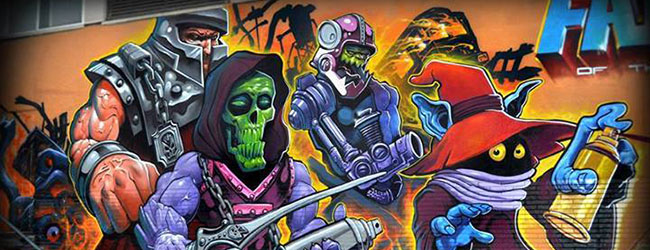
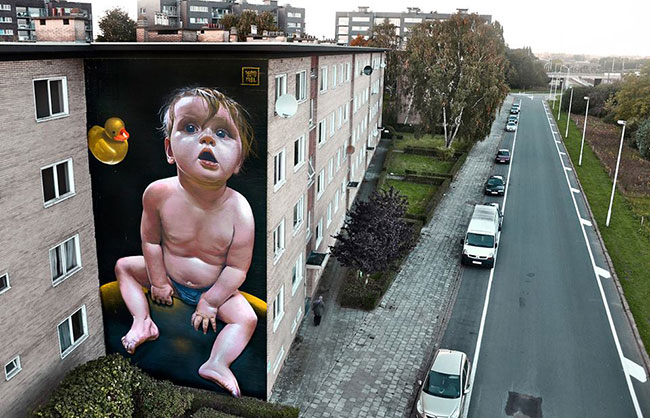
I was glad to find out about this exciting project pushed by Bruce McClure – showcasing some of the best in UK street art / graffiti talent with a distinctive inspired theme – ape.
Beyond the very well put together time-lapse videos, the concept is as motivating and is looking at encouraging a bit of friendly rivalry between cities like Bristol, London or Manchester.
Featured artists : Aroe (Brighton) | Smug (Glasgow) | Cheo (Bristol) | Eject (Manchester) | End of the Line (London)
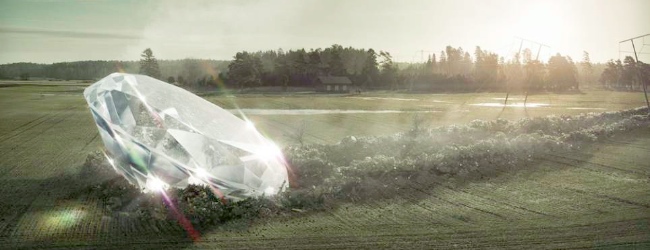
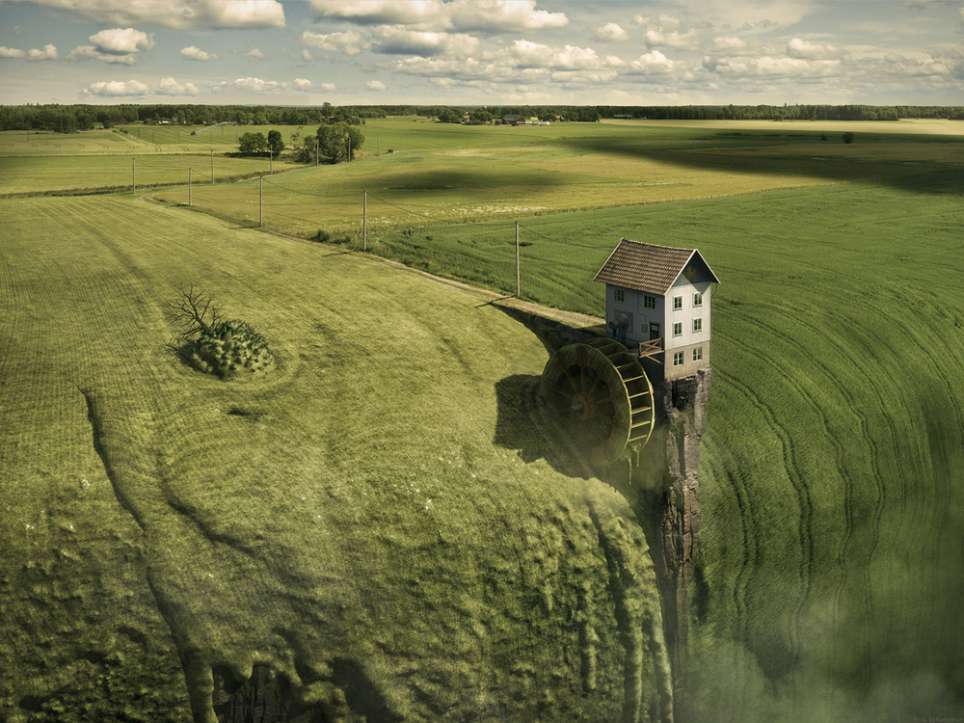
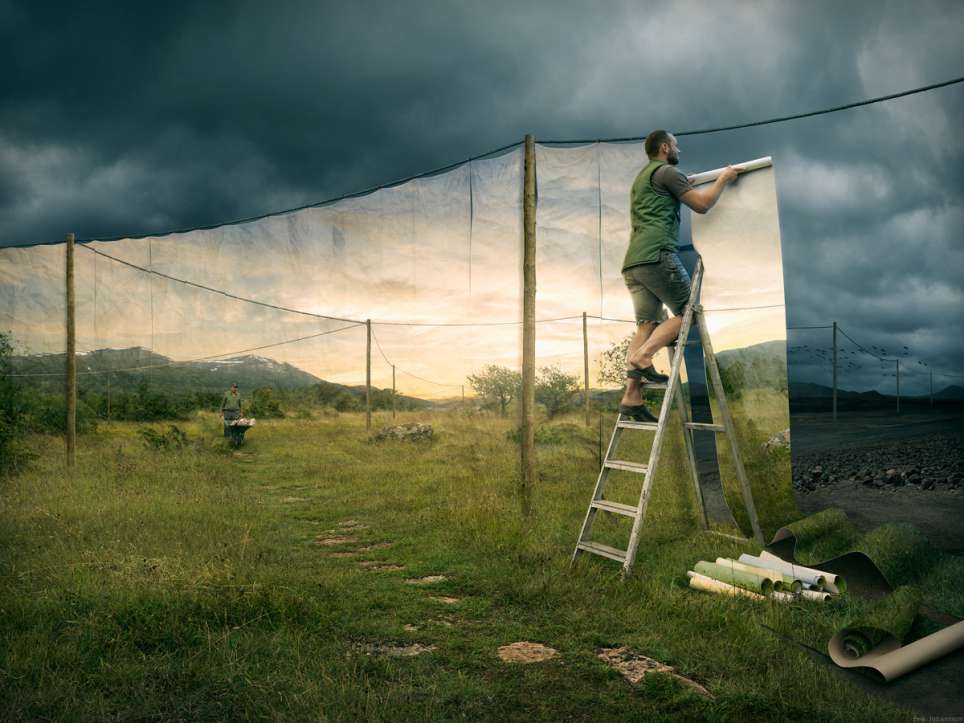
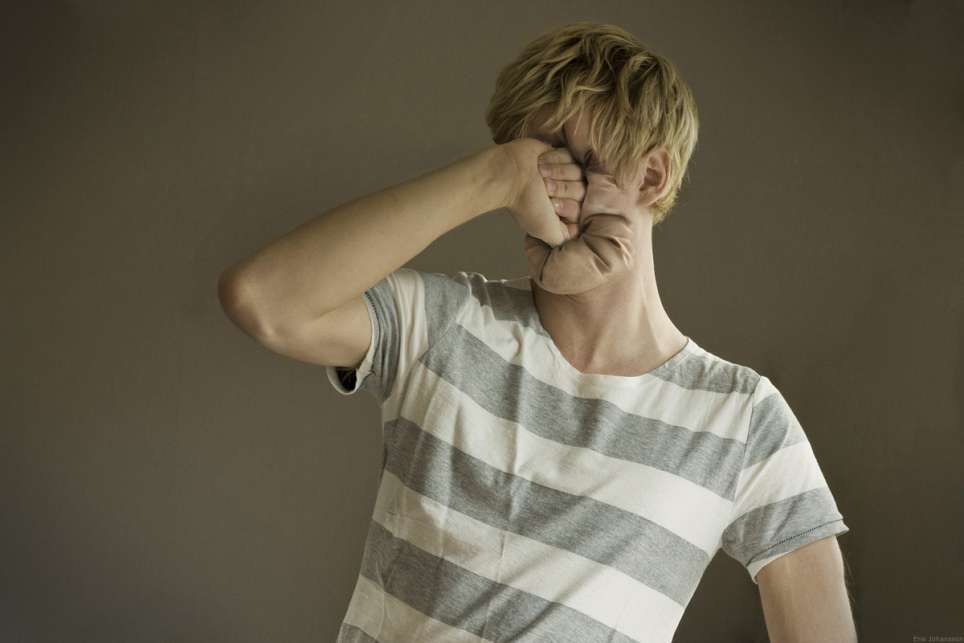
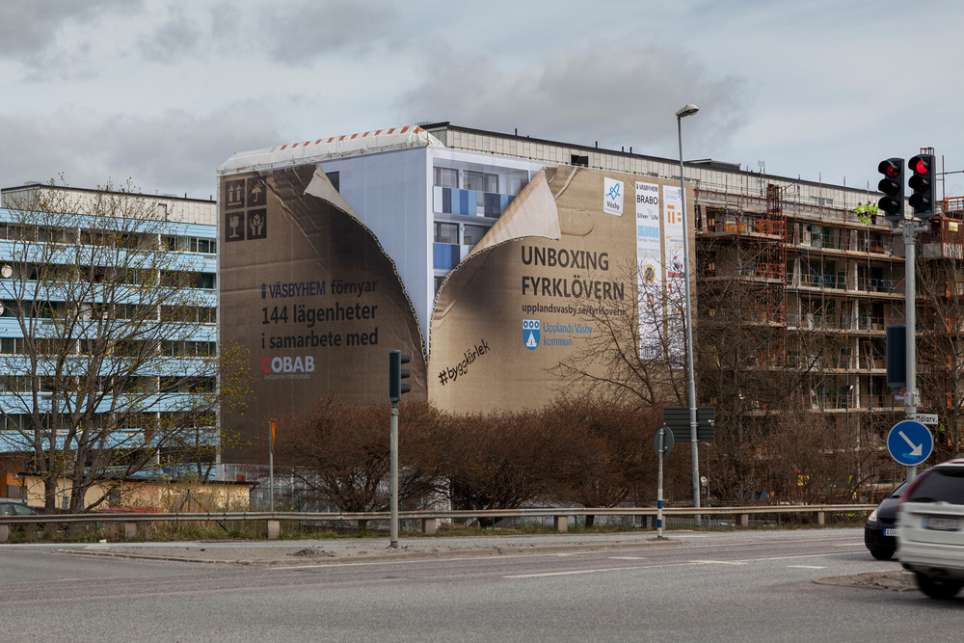
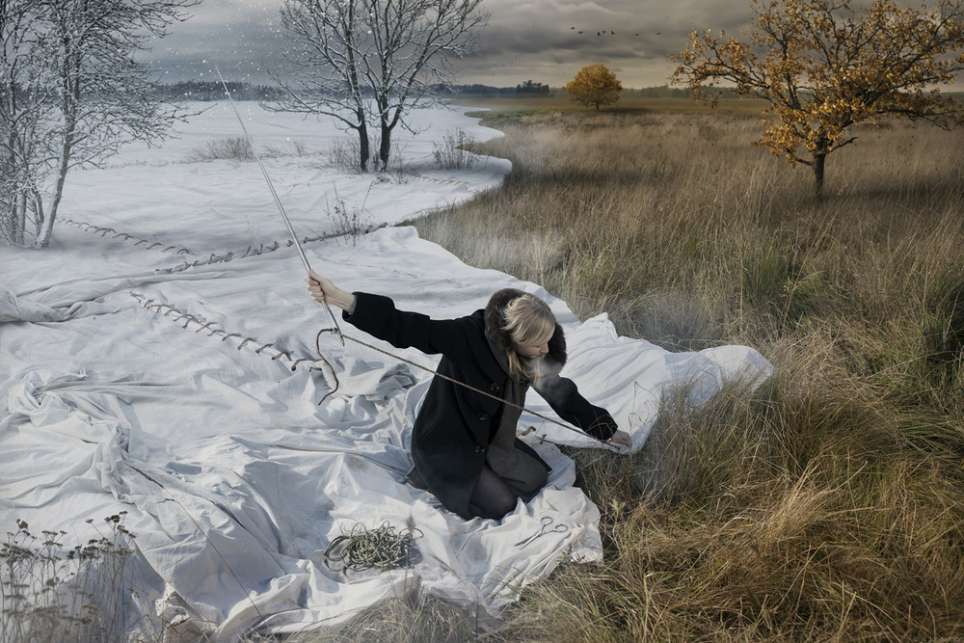
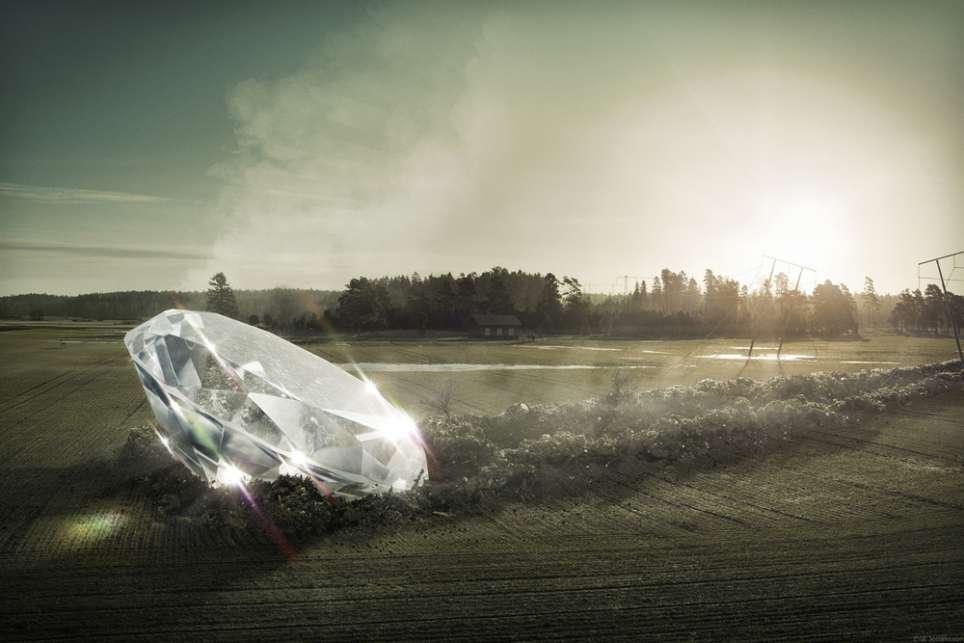
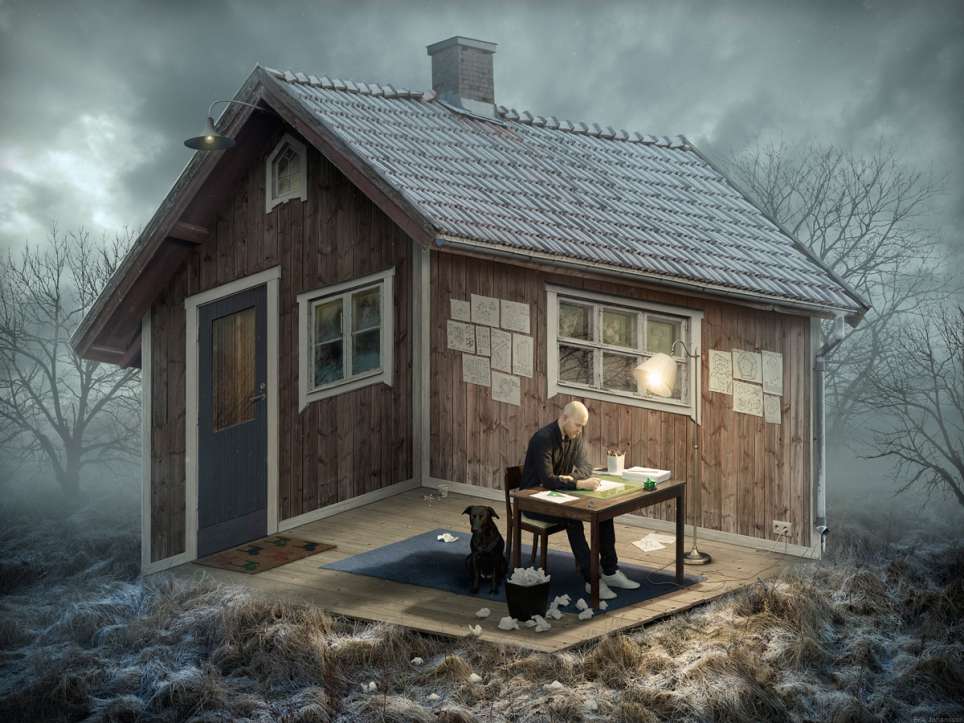
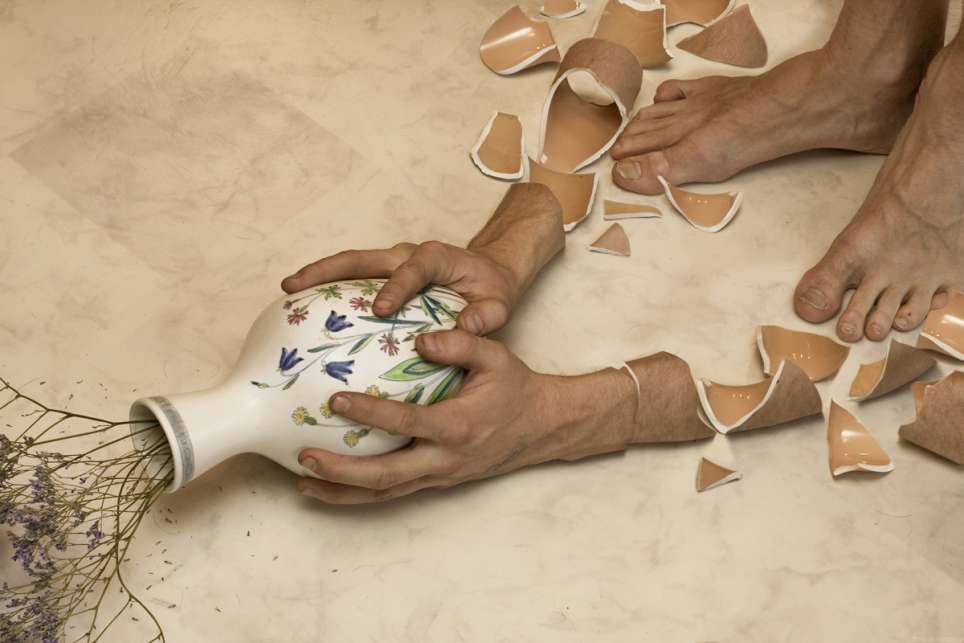
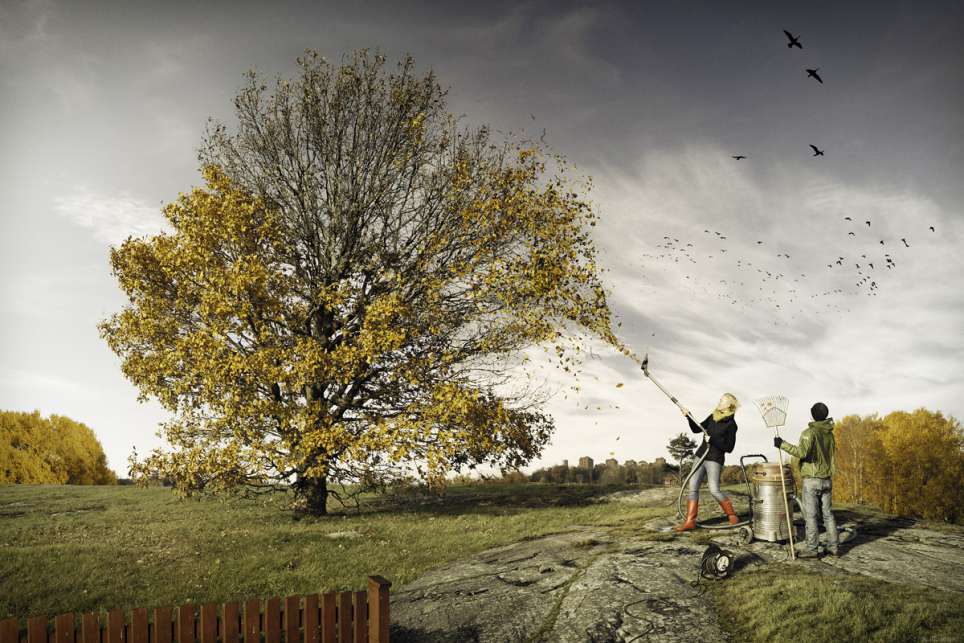
This is no the first time we write about Erik Johansson and his extraordinary ability to photo manipulate daily life scenes. Erik is a full time photographer and retoucher from Sweden.
Erik doesn’t capture moments, he capture ideas in the form of little pieces which he later turn into an imaginative photo manipulation.
We included 10 inspiring works from this digital artist as well as video from Erik who explains how he goes about to create such images. It is definitely worth a watch!
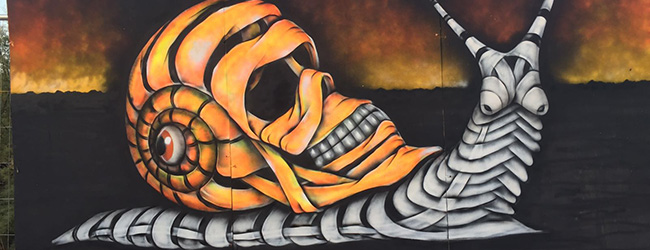
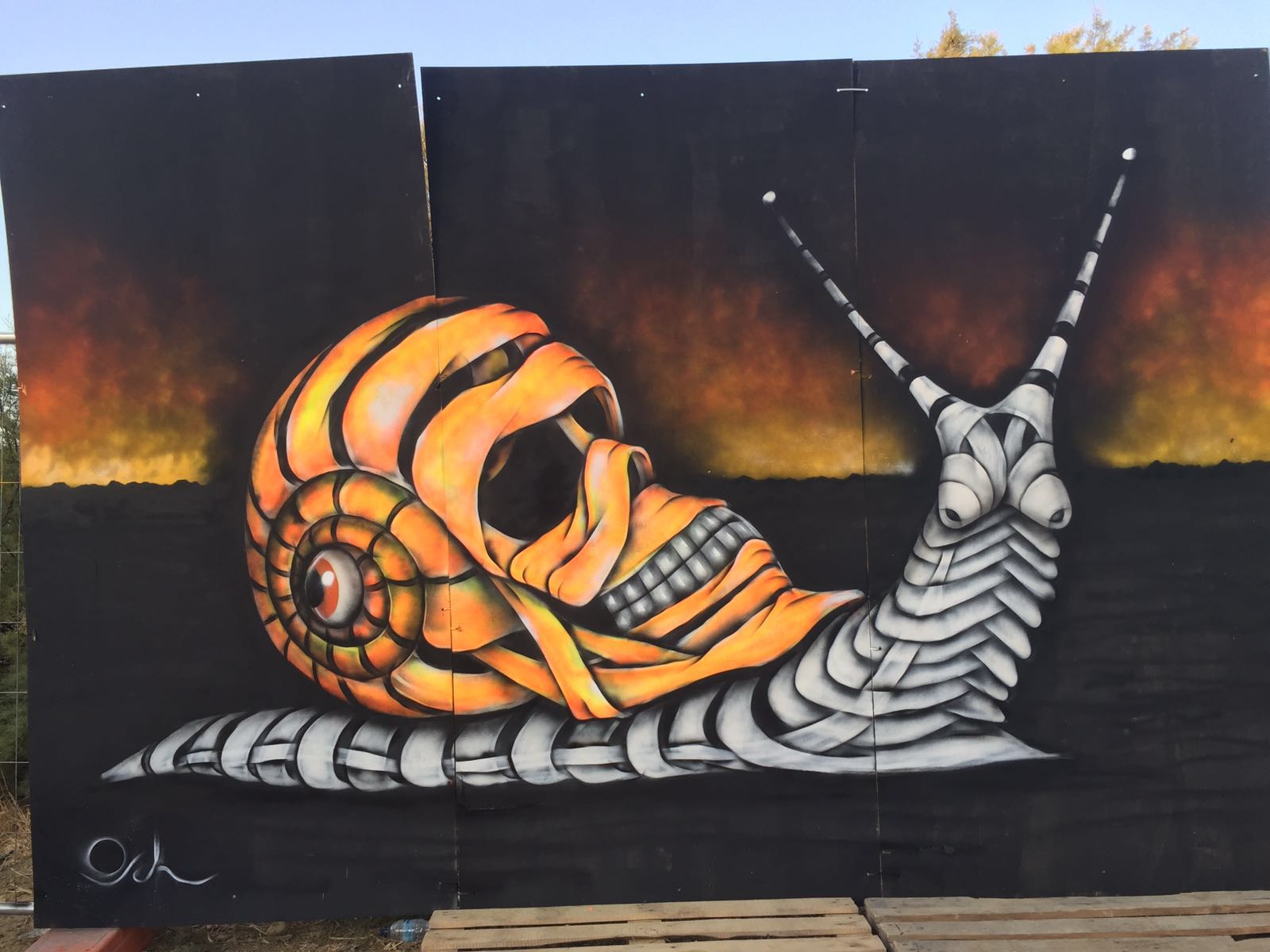
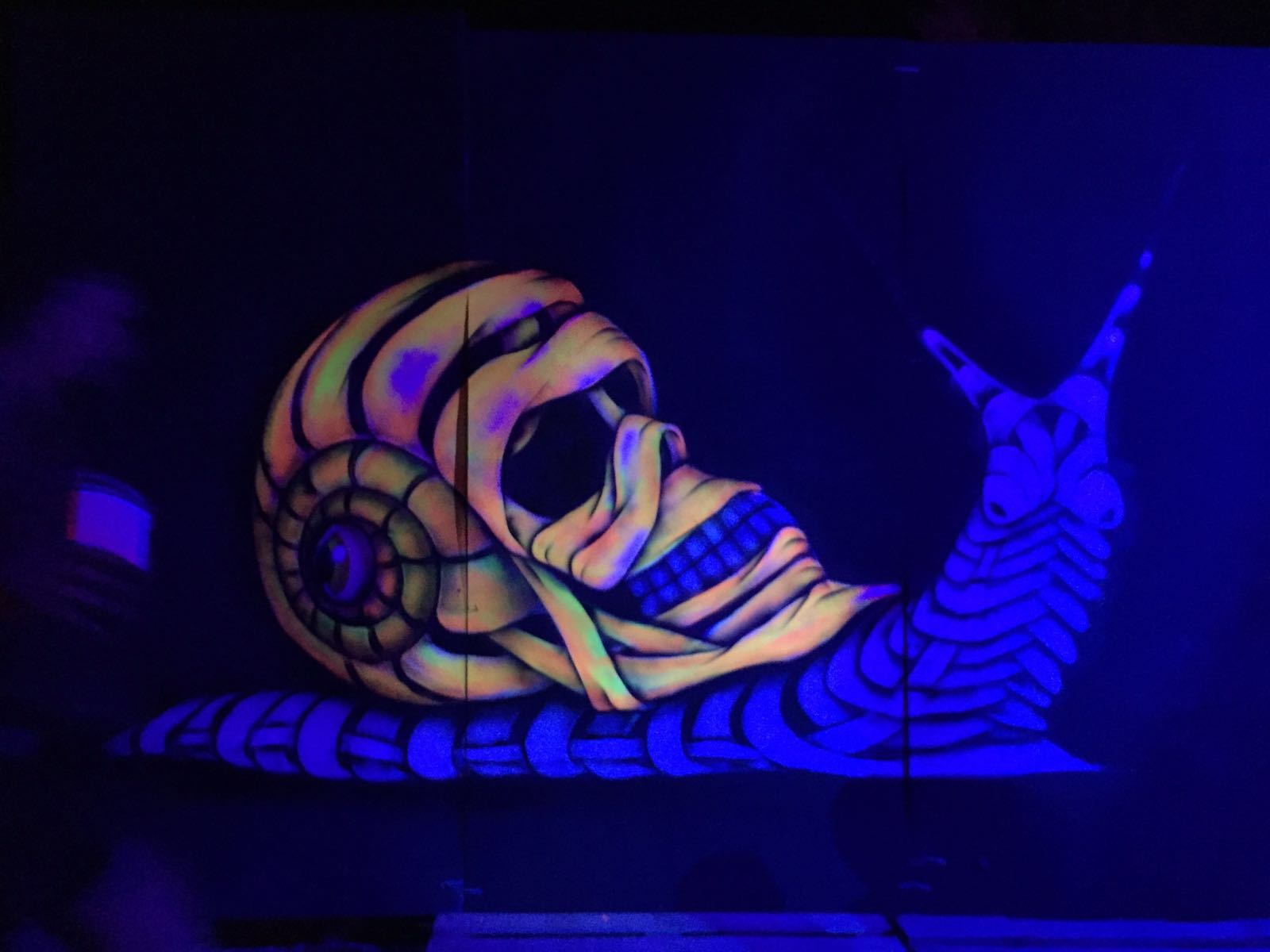
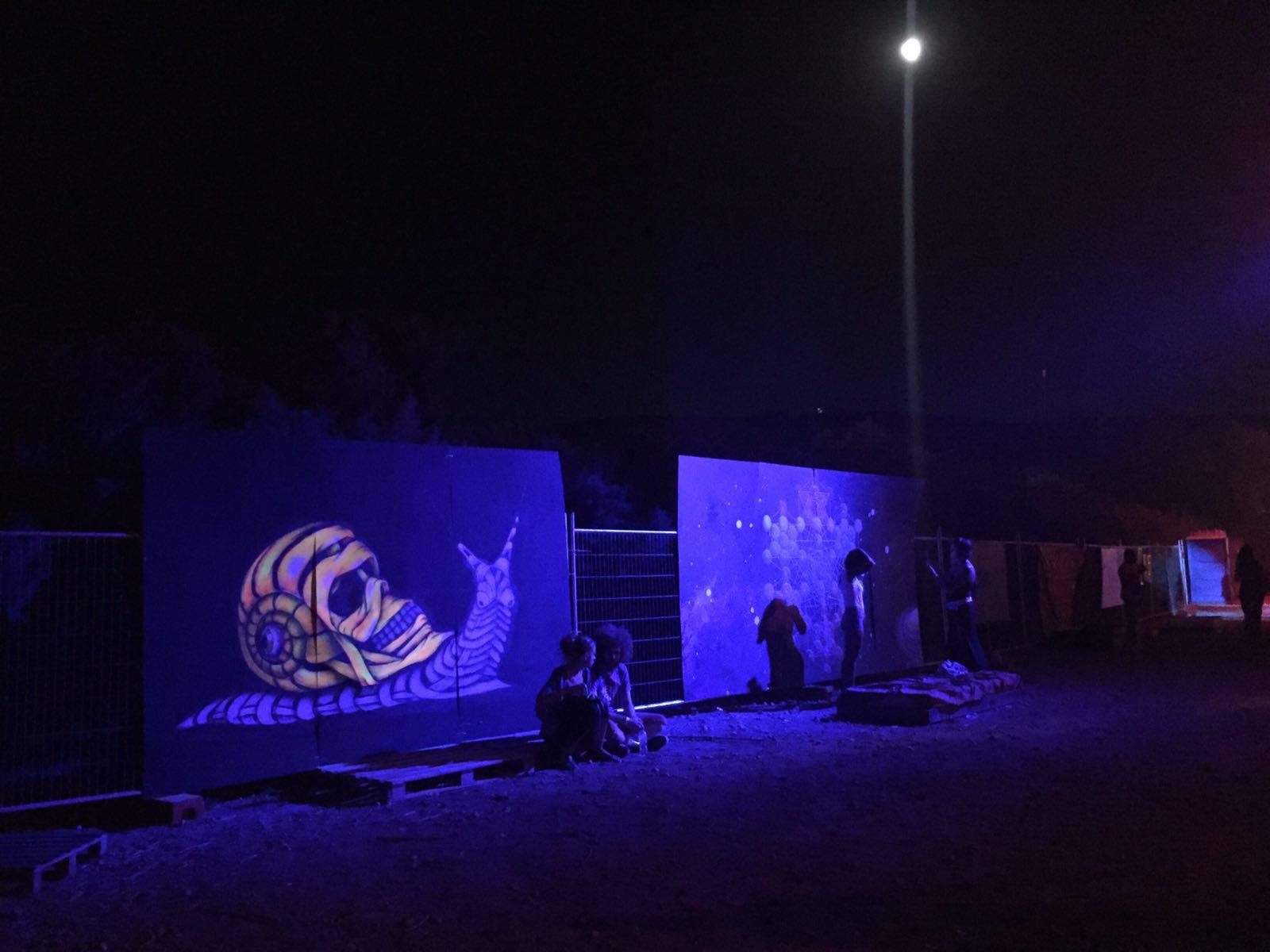
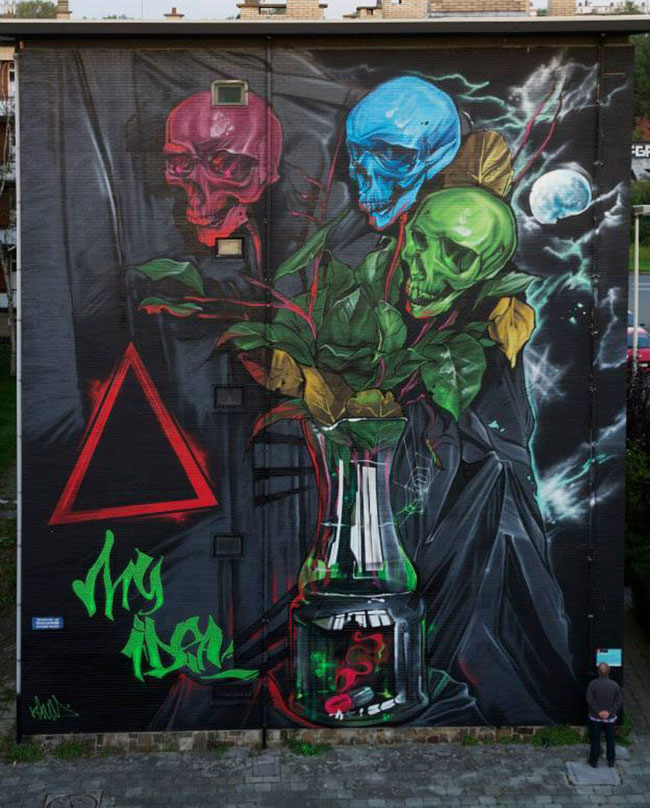
Otto Schade flu to Malta and attended Sunscape festival in Malta. He produced new artwork for the occasion, namely “Snail’s life” which depicts a snail having as its shell, a skull looking one.
Special paint was used so the artwork glows in the dark, pretty cool uh?!
Click to enlargeClick to enlarge
About Sunscape festival
Sunscape is a place to party; free our minds; learn and be inspired.A haven for us to enjoy the outdoors, make new friends and transform ourselves.
A musical happening infused with creativity, performance and lifestyle activities. A playful exercise in the art of living and being co-creators in our own experience.
About the artist
Otto was born in Chile on the 30th October 1971. He initially studied Architecture at the Bio Bio University and Construction and Design Architecture in Concepcion, Chile. As a successful architect, he has been awarded for public and private projects.
Otto has always felt an avid fascination for the Surrealists, as well as the freedom which surrounds abstract painting. This influence has made Otto turn his creative skills to painting, which has become his strongest passion and for which he has also been recognised with an honorable mention.
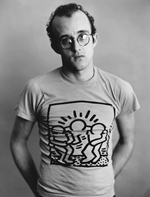
On February 16, 1990, at age 31, Keith Haring’s life was cut short due to an AIDS-related illness. He would have been 54 today and as a homage, here are a few words and a tribute to his most iconic pieces of art.
I wonder what Keith Haring (May 4, 1958 – February 16, 1990) would make of the global phenomenon that street art is now, art form very much confined to the street of New York City at the time when he decided to move there in 1978, aged 19.
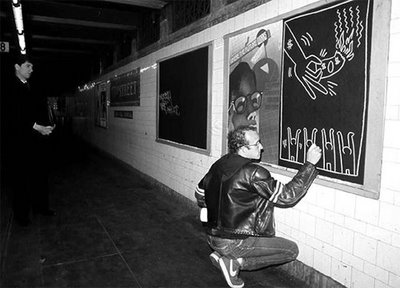
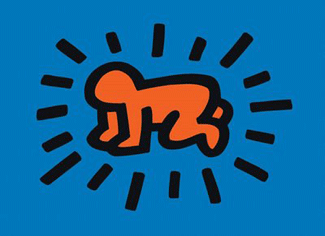
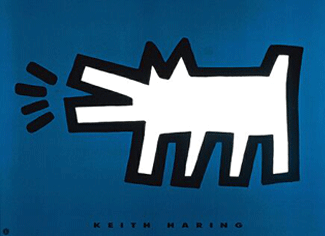
Having studied commercial art and then Fine Arts, he took a keen interest in graffiti art, Haring would go out there and paste collages of fake New York Post headlines on lamposts or news stands. He explored the likes of SAMO (Jean-Michel Basquiat) or Fab Five Fred (Fred Brathwaite) graffiti art to quickly put in practice his own interpretation of this form of art and would develop his future vocabulary of primitive cartoon-like forms. The Haring’s chalk-drawn “radiant babies” and “barking dogs” were born (see pictures) and woud become familiar sights on the matt black surfaces used to cover the old advertisements in the subways.
These chalk drawings in the subways of New York got Haring in the public eye and he would go on from there to have his first exclusive exhibition in the Tony Shafrazi Gallery which put together a retrospective a few years ago about it – see picture. Willing to reach a larger public, he immersed himself in popular American culture and befriended individials such as Andy Warhol, Madonna or Grace Jones (whom he would body-paint).
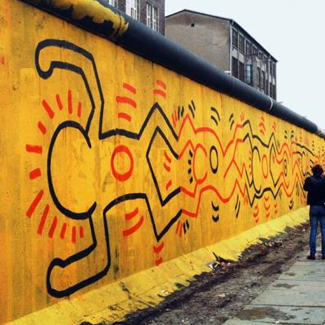
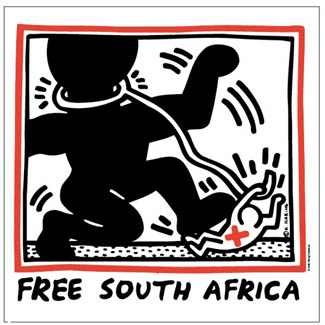
Haring was also a keen social activist and as a result of his ever increasing political involvement; he designed a Free South Africa poster in 1985 (see picture) and painting a section of the Berlin Wall in 1986 (see picture). Other works include design for Swatch watches or the Absolut Vodka advertisement (see picture)
Keith Harring’s work are just simply one of the best examples of how consumerism, popular culture and fine art merged in the 1980s.
Recommended readings
Keith Haring: The Authorized Biography by John Gruen (1991) includes interviews with the artist and those closest to him and is an invaluable source for understanding the art and life of Haring.
The early work is illustrated in Art in Transit: The Subway Drawings (1984) and Keith Haring (Shafrazi Gallery, 1982). An enlightening interview by David Sheff appeared in Rolling Stone (August 10, 1989).
Elizabeth Aubert directed an insightful video entitled Drawing the Line: A Portrait of Keith Haring (Biografilm, 1989).
Later an attempt was made to place Haring within a broader art historical context in Keith Haring, edited by Germano Celant (1992). □
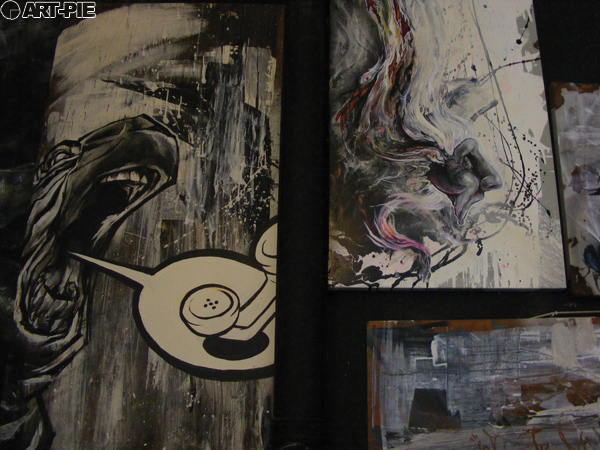
Last time I went to Pure Evil gallery I was blown away by the exhibit I saw from ROA (read post here) as well as the gallery itself and the way it was used: clever and original display of the artwork and above all fresh works from the artist himself on the walls – really like this approach where you feel the gallery is owned by the artist so once again, well done to Charles at Pure Evil.
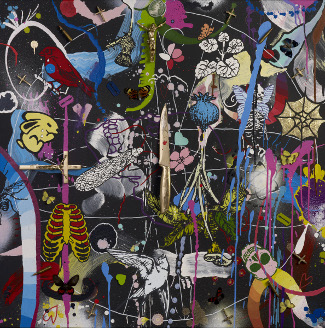
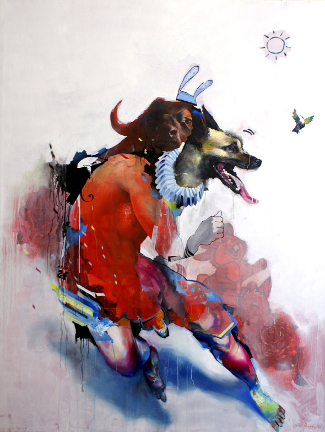
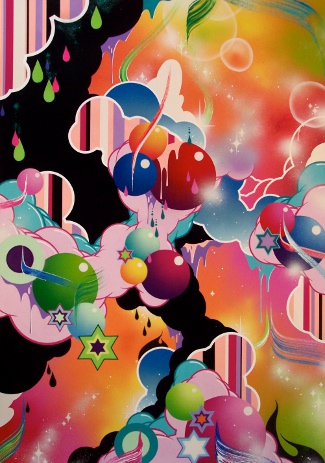
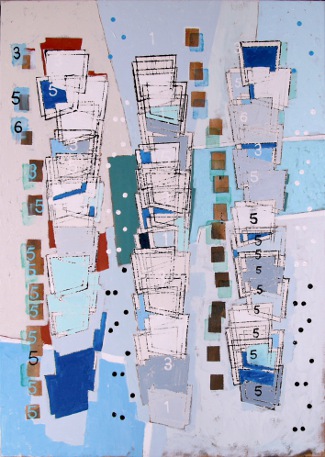
In our first group show in the new Paul Street space, we are presenting four very interesting artists whose work links and entwines in very winning ways. It’s a fine match between the abstract and figurative ends of the painting spectrum.
However, this is not a one sided game, but an exploration of overlapping skills and techniques, that will make excellent viewing, if not producing any obvious winners.
Dan Baldwin
Of the two strongly figurative artists in the show, Dan Baldwin is best known to the UK. His dynamic and intricately subtle paintings are a familiar and respected part of the contemporary/urban art scene.
Joram Roukes
Joram Roukes is a new name to the UK. Roukes large-scale oil paintings have a sense of fantasy and humour that is superficially akin to Baldwin’s work. However, there is a more robust and serious purpose to these works, which gives them a powerful and dark effect.
Andrew McAttee
The absence of any familiar figurative imagery seems to create an unnerving sense of emptiness. This is indeed joyous and decorative work (Power Pop Art as the artist calls it), with a childlike directness, but somehow there is still a sense of a void, giving the work an edge.
John Squire
His artwork first came to public notice with the very popular Pollockesque album cover designs for his band. Since then, his work has been paired down and has become generally abstract in form.
When
10th February Private View.
11th February – 5th March open to public.